Fairouz
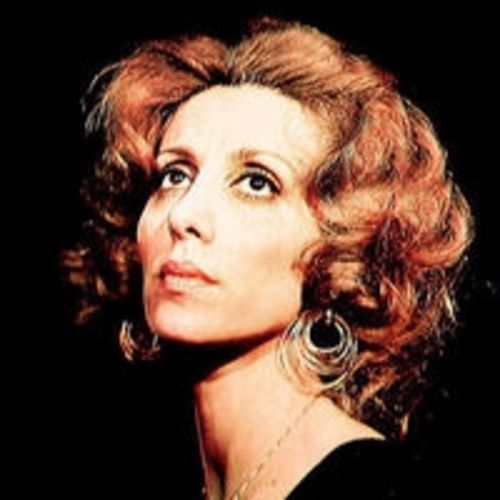
Fairouz: The Voice of Lebanese Musical Heritage
Fairouz is a Lebanese singer and cultural icon whose career spans over six decades, defining the sound of Arab music for generations. Hailing from Beirut, she is one of the best-selling Middle Eastern artists of all time, with a legendary catalog that includes timeless albums like "Sah El Nom" and massive concert draws that fill stadiums across the Arab world.
Early career
Born Nouhad Haddad in 1935 in Beirut, Fairouz began her musical journey as a choir member at the Lebanese Conservatory. Her exceptional voice was discovered by composers Assi and Mansour Rahbani, who later became her mentors and, in Assi's case, her husband, forming the foundational creative partnership of her career.
Her first major radio performance came in the 1950s, leading to a contract with the Lebanese record label Voice of the Orient. Early singles like "Itab" established her distinctive, crystalline vocal style and laid the groundwork for the Rahbani brothers' orchestral folk-inspired compositions that would become her signature.
Breakthrough
Fairouz's national and regional fame solidified throughout the 1960s with a series of successful albums and operettas. Her 1969 album "Sah El Nom" is widely considered a masterpiece, featuring the monumental title track and achieving massive commercial success across the Arab world, cementing her status as a superstar.
Her annual Easter and Christmas concerts became major cultural events, and her decision to remain in Beirut during the Lebanese Civil War, performing locally, earned her immense respect as a symbol of national resilience and unity.
Key tracks
Sah El Nom — This epic song from the album of the same name is a cornerstone of her repertoire, showcasing the grand orchestral Rahbani sound.
Nassam Alayna El Hawa — A quintessential Fairouz classic, beloved for its poetic lyrics and melodic beauty, often cited as a definitive example of the golden age of Arabic music.
Zahrat Al Madaen — Her powerful rendition of this song about Jerusalem turned it into an enduring anthem for Palestinians and Arabs everywhere.
Kifak Inta — A later-career hit from 1991, written by her son Ziad Rahbani, it demonstrated her ability to adapt to contemporary musical styles while maintaining her unique identity.
Her prolific output includes dozens of albums such as "Maarifti Feek" and "Al Quds Fil Bal," often in collaboration with her son, composer Ziad Rahbani, who introduced jazz and bossa nova influences. Fairouz has maintained a legendary, almost mythical status, performing rare, highly anticipated concerts that command global attention, such as her historic 2008 performance at the Beiteddine Festival.
Fans of Fairouz's elegant and poetic approach to Arabic music also enjoy the works of Wadih El Safi, another Lebanese legend who helped shape the genre of traditional folk song. The orchestral pop and lyrical depth of Sabah share a similar golden-era Lebanese musical heritage. For more contemporary Lebanese vocal prowess, listeners turn to Majida El Roumi, who carries a similar mantle of cultural elegance. The romantic and classical Arabic style of Abdel Halim Hafez, though Egyptian, resonates with the same timeless emotional quality.Fairouz's music remains a staple on Arabic music radio stations, from dedicated Lebanese heritage FM broadcasts to pan-Arab satellite radio channels. Her songs are essential programming during festive seasons and are regularly featured on online radio streams specializing in classic Middle Eastern music.
Listeners can explore the timeless music of Fairouz through the curated Arabic and international radio stations featured on onairium.com, where her voice continues to resonate as a pillar of musical artistry.