
Fairport Convention: Pioneers of British Folk Rock
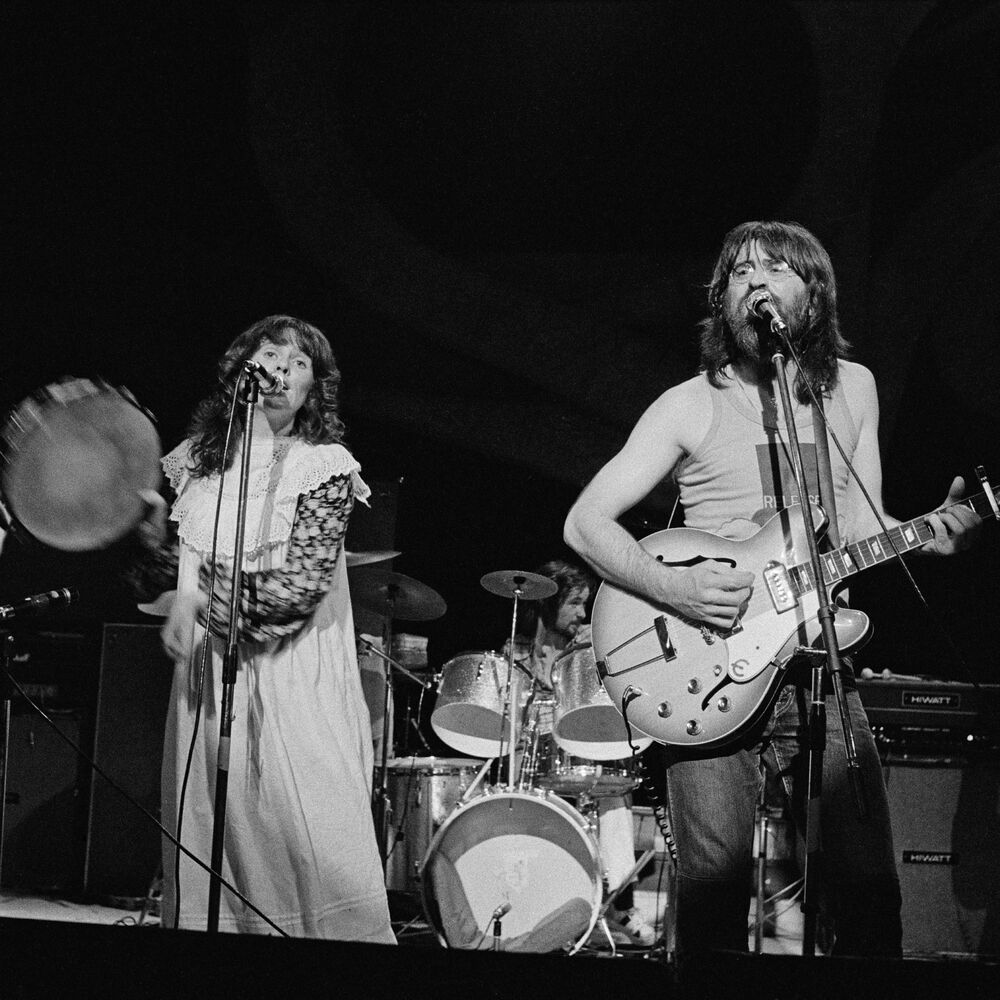
Fairport Convention is a seminal English band widely credited with inventing British folk rock. Formed in London in 1967, the group successfully fused traditional British folk melodies and tales with contemporary rock instrumentation and energy. Their influence is foundational, with their 1969 album "Liege & Lief" often cited as the cornerstone of the entire electric folk genre.
Early Career
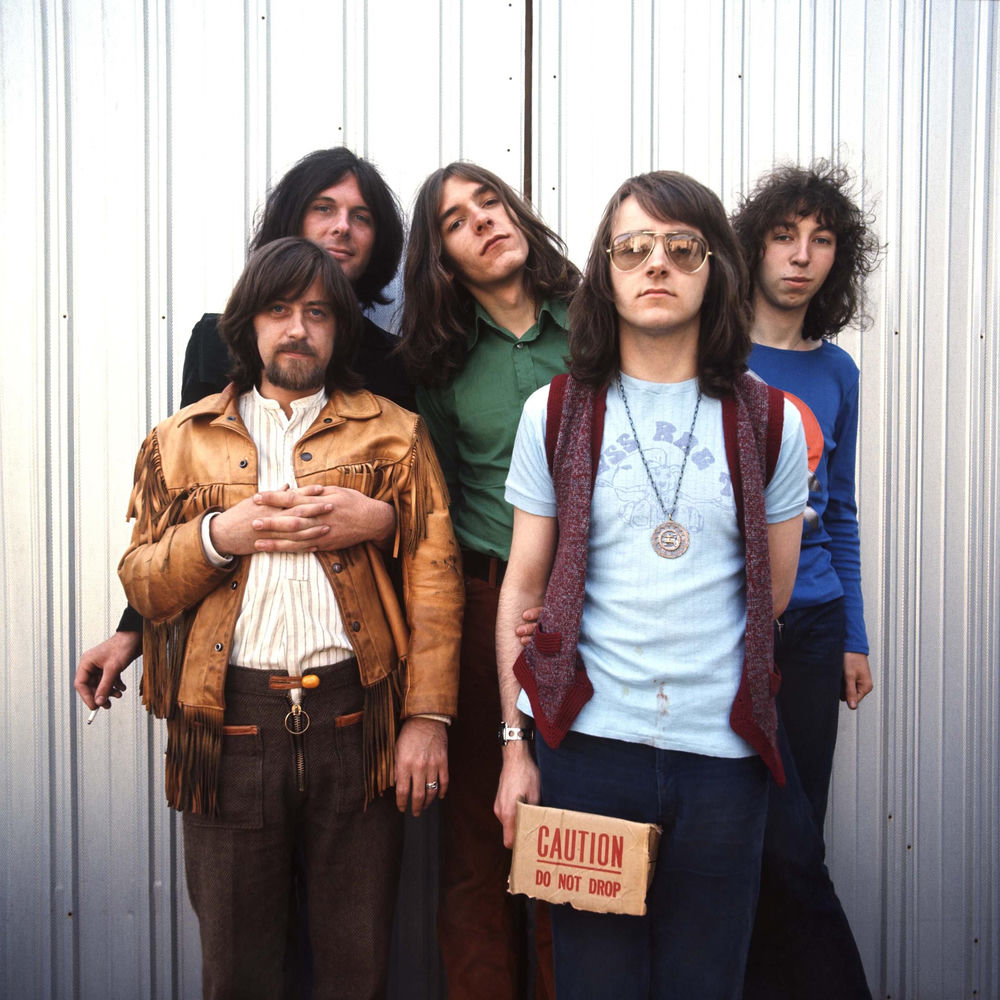
Fairport Convention began as a eclectic rock band in North London, initially covering American folk-rock and psychedelic material by artists like Bob Dylan and Joni Mitchell. The original lineup featured guitarist Simon Nicol, bassist Ashley Hutchings, drummer Martin Lamble, and vocalists Judy Dyble and Iain Matthews. Their self-titled debut album, released in 1968 on the Polydor label, showcased this diverse approach, but a pivotal shift occurred with the recruitment of vocalist Sandy Denny and the tragic 1969 van crash that claimed the life of Martin Lamble and guitarist Richard Thompson's girlfriend.
Breakthrough
The band's breakthrough and defining moment came with the 1969 album "Liege & Lief". Released on Island Records, this record marked a decisive turn towards English traditional music, featuring electrifying arrangements of centuries-old ballads like "Tam Lin" and original compositions in a folk-rock style. The album, featuring the classic lineup of Denny, Thompson, Nicol, Hutchings, and fiddler Dave Swarbrick, was a critical triumph and is consistently ranked among the most important British albums ever made, though its chart performance was modest at the time. This period established Fairport Convention not just as a band, but as the architects of a new musical movement.
Key Tracks
Matty Groves - This epic rearrangement of a traditional Child Ballad from "Liege & Lief" is a quintessential example of the band's dynamic folk-rock power, featuring intense instrumental passages and Sandy Denny's commanding vocals.
Who Knows Where the Time Goes? - Written by Sandy Denny, this beautiful, melancholic song, first appearing on the 1969 album "Unhalfbricking", became her signature piece and a timeless standard covered by numerous artists.
Meet on the Ledge - Written by Richard Thompson, this anthemic song from their second album "What We Did on Our Holidays" became the band's unofficial anthem, traditionally closing their concerts and annual Cropredy Festival.
A Sailor's Life - A track from 1969's "Unhalfbricking", this traditional song featured a groundbreaking extended folk-jam with guest fiddler Dave Swarbrick, directly pointing the way to the "Liege & Lief" sound.
Despite numerous lineup changes over the decades, with Sandy Denny, Richard Thompson, and Dave Swarbrick all departing for successful solo careers, the band has continued relentlessly. Founding member Simon Nicol remains a constant, and the group has released over two dozen studio albums, including notable works like "Full House" (1970) and "Angel Delight" (1971). Since 1979, Fairport has hosted the annual Fairport's Cropredy Convention, a large outdoor festival that is a major event in the UK folk calendar. Their enduring legacy is as the crucial bridge between the 1960s folk revival and modern rock, inspiring countless musicians in the folk rock and progressive folk spheres.
Listeners who enjoy the pioneering sound of Fairport Convention often appreciate the work of other innovative artists in the British folk rock scene. Sandy Denny pursued a revered solo career after her tenure with the band. Richard Thompson developed a legendary status as a guitarist and songwriter, both solo and with his former partner Linda. Steeleye Span, formed by former Fairport bassist Ashley Hutchings, took a similarly electrified approach to traditional music. The Yardbirds, though more blues-rock oriented, share the era and experimental spirit of Fairport's early years.
The music of Fairport Convention, a cornerstone of the British folk rock genre, continues to be celebrated and played for dedicated audiences. Their vast catalog, from the foundational