Family Four
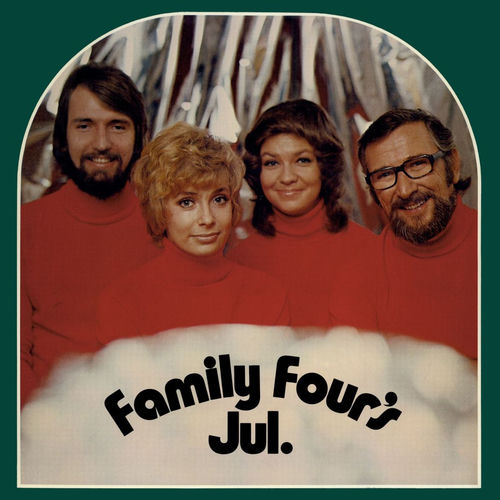
Family Four: The Swedish Pop and Folk Pioneers
Family Four was a Swedish vocal group that became one of the nation's most beloved pop and folk acts during the 1960s and 1970s. The quartet achieved major success by representing Sweden in the Eurovision Song Contest twice and securing a string of domestic hit albums and singles.
Early career
The group's origins trace back to 1964 in Stockholm, formed around the core of siblings Berith and Pierre Isacsson. Initially performing as a folk-inspired vocal ensemble, they quickly caught attention with their tight harmonies and melodic sensibility. Their early work led to a recording contract with the major Swedish label Metronome, which released their debut album "Family Four" in 1968.
Breakthrough
Family Four's national breakthrough arrived in 1971 when they were selected to represent Sweden at the Eurovision Song Contest in Dublin. Their song "Vita vidder" finished in sixth place, but its popularity at home propelled the group to new heights. This success was solidified the following year when they returned to Eurovision in Edinburgh with the song "Härliga sommardag," further cementing their status as Swedish music favorites.
Key tracks
Vita vidder — This 1971 Eurovision entry became their signature song and a perennial Swedish classic.
Härliga sommardag — Their second Eurovision contribution in 1972 reinforced their knack for bright, melodic pop.
Jag ska fånga en ängel — A major hit single that showcased the group's softer, more ballad-oriented side.
Hej, mitt vatten — This track exemplifies their catchy, family-friendly pop style that dominated Swedish radio.
En liten sång om kärlek — A later career highlight demonstrating the enduring quality of their vocal harmonies.
Throughout the 1970s, Family Four maintained a consistent output of albums for Metronome, including "Picknick" (1972) and "Family Four's jul" (1974). The group's sound evolved to incorporate more pop and schlager influences while always retaining their distinctive harmonic blend. While specific chart positions and certifications from that era are not widely digitized, their commercial impact is evidenced by their frequent radio play and continued presence in Swedish cultural memory.
After the core members pursued solo projects in the late 1970s, the group saw various reunions and lineup changes. Berith Isacsson, in particular, sustained a successful solo singing career. The music of Family Four remains a definitive part of the Swedish folk-pop genre, evoking a specific era of Scandinavian melodic craftsmanship.
Fans of Family Four's harmonious Swedish pop often appreciate the work of similar artists from the same era. ABBA shares the same gift for impeccable vocal arrangements and massive pop appeal. Hootenanny Singers offer a comparable foundation in folk-inspired group singing. Ted Gärdestad operated in the same melodic Swedish pop sphere during the 1970s. Anni-Frid Lyngstad, before ABBA, also recorded in a similar Swedish vocal style.
The music of Family Four maintains a steady rotation on dedicated Scandinavian music channels and classic hits radio stations. Their timeless Eurovision entries and cheerful pop anthems are staples on stations specializing in 70s retrospectives and Swedish folk-pop history, ensuring their harmonies reach both nostalgic and new listeners.
You can hear the classic songs of Family Four on radio stations featured right here on onairium.com. Tune in to our curated selection of stations to discover or revisit the harmonious pop of this foundational Swedish group.