Fannie Lou Hamer
Fannie Lou Hamer: The Soulful Voice of Civil Rights Music
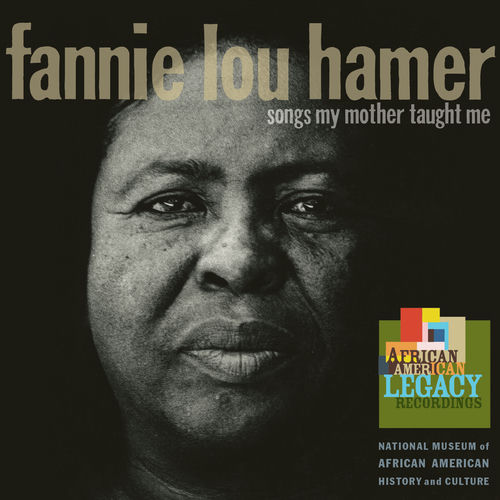
Fannie Lou Hamer was a seminal American gospel and folk singer whose powerful voice became a soundtrack for the Civil Rights Movement. Originating from Ruleville, Mississippi, her most significant musical achievement was the 1963 album "Songs My Mother Taught Me," which captured the raw spirit of freedom struggles and remains a vital historical document.
Early career
Born in 1917, Fannie Lou Hamer's musical journey began in the cotton fields and churches of the Mississippi Delta. Her early exposure to spirituals and gospel hymns formed the foundation of her style, which she later channeled into activism, performing at rallies and marches long before any formal recording.
Her first foray into the recording studio was not for commercial fame but for movement solidarity. In 1963, she traveled to New York to record for the Folkways label, a partnership with the Student Nonviolent Coordinating Committee (SNCC) aimed at raising funds and awareness through music.
Breakthrough
Hamer's breakthrough as a recorded artist came with the 1963 release of the Folkways album "Songs My Mother Taught Me." This collection, featuring her renditions of spirituals and freedom songs, became an essential artifact of the era, distributed through activist networks and finding its way into the libraries of folk enthusiasts and historians alike.
While it did not chart on commercial Billboard lists, the album achieved a different kind of platinum status: it was certified by history as a crucial cultural document. Its impact was measured in its role in mobilizing support and articulating the movement's emotional core.
Key tracks
This Little Light of Mine — Her defiant, soul-stirring rendition transformed the children's gospel song into a timeless anthem of perseverance and protest.
Go Tell It on the Mountain — Hamer's version infused the classic spiritual with a urgent, communal power that resonated deeply at mass meetings.
Walk with Me — This haunting plea for solidarity showcased the raw, unvarnished emotion in her vocal delivery, making it a movement staple.
Woke Up This Morning with My Mind on Freedom — A quintessential example of how activists adapted traditional melodies, with Hamer's voice leading the call-and-response.
The power of these recordings cemented Hamer's legacy as a musical force. Her subsequent performances, including at the 1964 Democratic National Convention, further amplified her voice, though she remained dedicated to activism over music industry pursuits.
Collaborations were inherent to her work, singing alongside fellow activist-artists like the SNCC Freedom Singers. Her influence is heard in the work of later folk and gospel musicians who drew inspiration from her authentic, purpose-driven style.
For listeners moved by Fannie Lou Hamer's profound gospel and folk roots, explore similar voices in our library. The raw conviction of Odetta defined the folk-blues landscape. The powerful protest spirit of Bernice Johnson Reagon shaped the sound of Sweet Honey in the Rock. The deep gospel roots of Mavis Staples carried a similar message of struggle and hope through soul music.
Fannie Lou Hamer's music maintains a steady rotation on our dedicated platforms. Her historic recordings are featured on our classic folk radio stations, Americana roots channels, and specialty programs focusing on music and social history, connecting her legacy to new audiences.
You can hear the enduring music of Fannie Lou Hamer on the radio stations featured here. Discover her pivotal role in American music by tuning into the folk, gospel, and historical stations available on onairium.com.