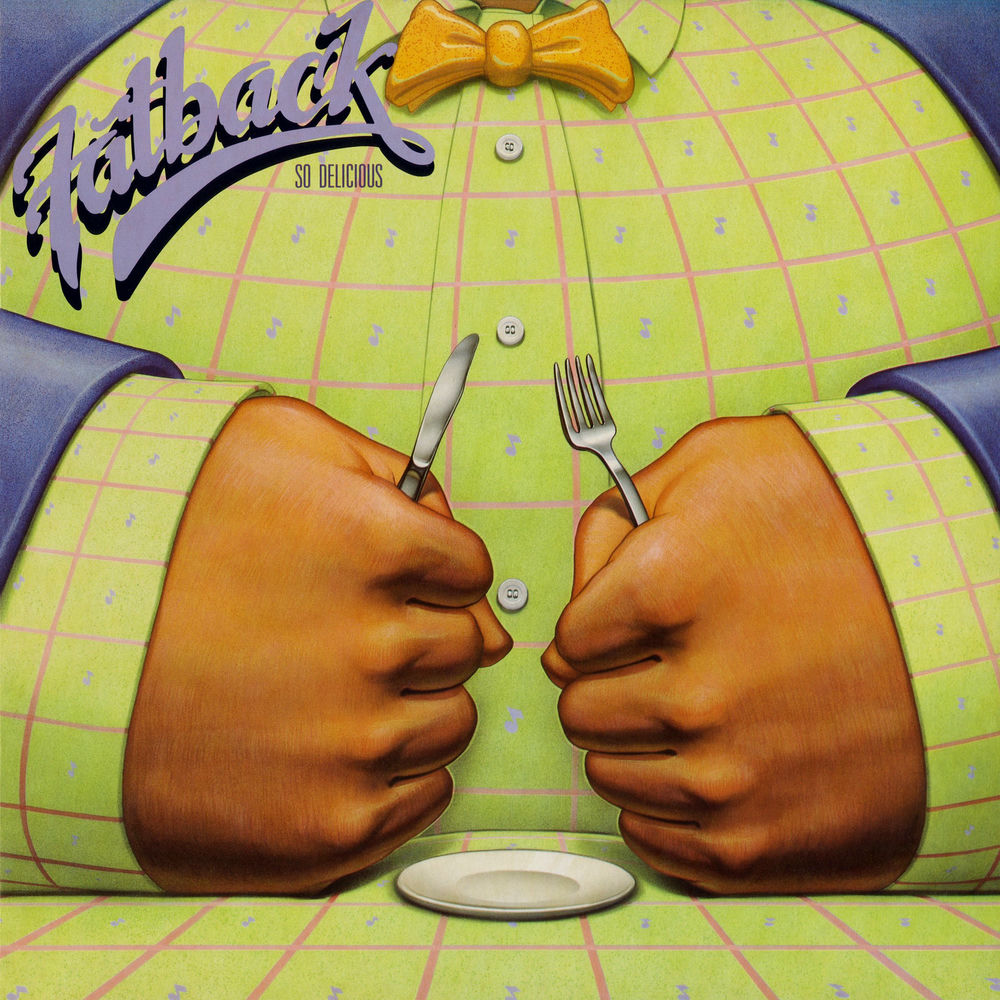
Fatback
Type: Group
 Mauritius
Mauritius
Listen on radio stations:
Fatback: The Pioneers of Funk and Disco Grooves
Fatback, also known as The Fatback Band, is an American funk and disco group renowned for their infectious, dance-floor-ready rhythms. Formed in New York City in the early 1970s, the band is celebrated for their pivotal role in the development of funk music and for releasing one of the earliest commercially successful rap records.
Early Career
The band was formed by bassist and bandleader Bill Curtis, who assembled a group of seasoned session musicians in New York. Their early sound was rooted in a heavy, gritty funk style, leading to their debut album "Let's Do It Again" in 1972 on Perception Records, which established their signature groove-driven approach.
Breakthrough
Fatback's breakthrough into mainstream success came with their move to the Event Records label and the release of their 1976 album "Night Fever." The band expertly rode the wave of the disco era, scoring hits with dance tracks that fused their foundational funk with the four-on-the-floor beats dominating the charts. Their consistent output and tight musicianship made them staples on both funk and disco radio playlists throughout the late 1970s.
Key Tracks
Spanish Hustle - This 1975 instrumental single became a massive disco hit, showcasing the band's ability to create irresistible, Latin-tinged dance grooves.
(Do The) Bus Stop - A definitive disco-funk anthem from 1975 that commanded dance floors and remains a classic example of the era's sound.
King Tim III (Personality Jock) - Released in 1979, this track is historically significant as one of the first commercially released rap records, predating the more famous "Rapper's Delight" by just weeks.
I Like Girls - A later hit from 1979 that blended their funk roots with a more polished disco and early electro-funk production style.
Backstrokin' - This 1980 track continued their success in the dance market, exemplifying their smooth transition into the boogie and synth-funk sounds of the new decade.
Throughout the 1980s, Fatback adapted to the changing musical landscape, incorporating synthesizers and drum machines into their sound, which evolved into what is often categorized as synth-funk. The band's influence is heard in the work of countless hip-hop producers who have sampled their drum breaks and funky basslines. Despite lineup changes, Bill Curtis has kept the Fatback spirit alive, performing and reminding audiences of their crucial role in music history.
Listeners who enjoy the funk and disco sounds of Fatback might also appreciate the music of Kool And The Gang, another group that mastered the fusion of jazz, funk, and infectious dance music. The grooves of The Ohio Players share a similar raw, instrumental funk energy. For the disco side of their legacy, Chic offers a more polished but equally rhythm-centric approach. The early rap innovation of Fatback finds a parallel in the playful party rhymes of Sugarhill Gang.
The music of Fatback, with its foundational funk beats and disco anthems, continues to be featured on classic hits radio stations, funk specialty shows, and dance music streams that celebrate the golden era of groove.
You can discover the timeless funk and disco tracks from Fatback's catalog on the radio stations featured here.
Similar artists