Fermata
Type: Group
 Après-ski
Listen on radio stations:
Fermata: Pioneers of Czechoslovak Jazz Rock and Progressive Rock
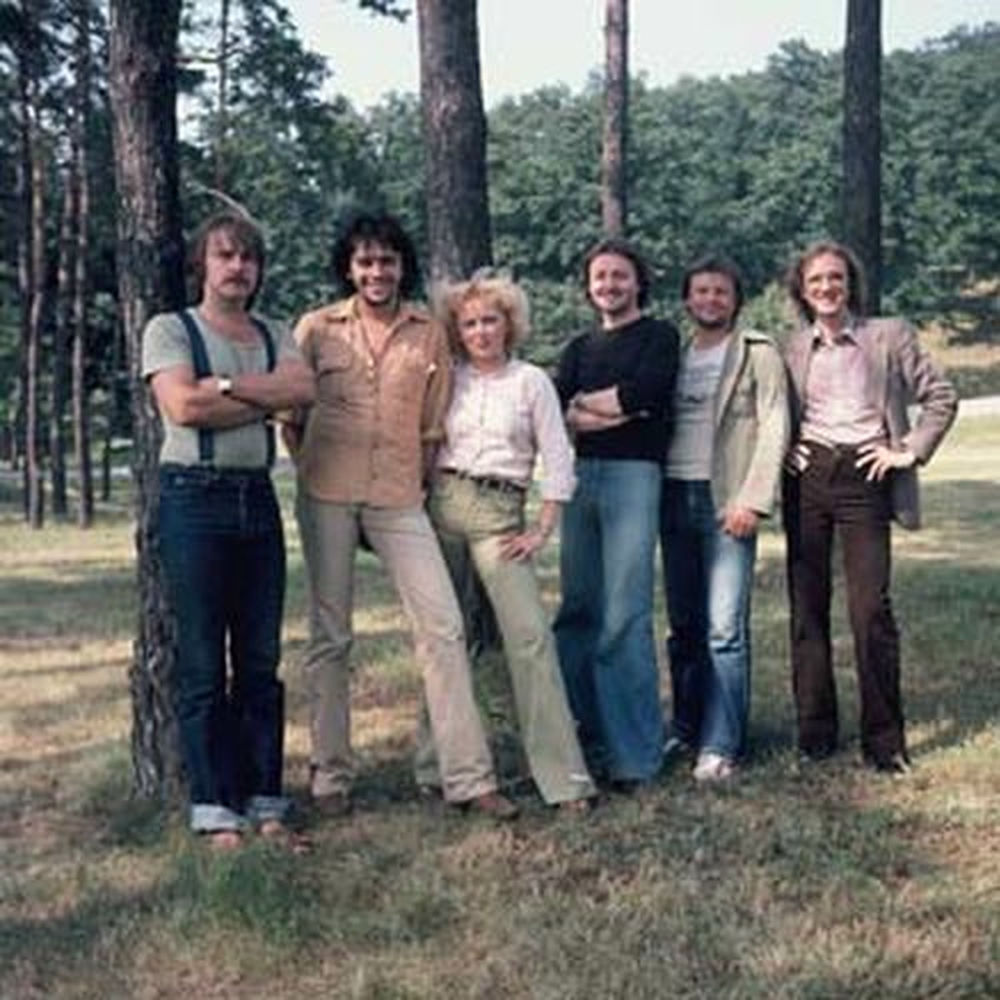
Fermata is a pioneering instrumental group from Slovakia, originally formed in Czechoslovakia, renowned for blending complex jazz harmonies with the structural ambition of progressive rock. Hailing from Bratislava, the band established a significant legacy in Central European music through their virtuosic musicianship and a series of influential albums released throughout the 1970s and 1980s.
Early Career
The band was formed in Bratislava in the early 1970s, during a period of creative exploration in Czechoslovak music. Fermata quickly distinguished itself by focusing on instrumental compositions, a deliberate choice that allowed their sophisticated musical language to transcend lyrical and political barriers.
Breakthrough
Fermata's national breakthrough came with their early albums, which were released on the state-owned Opus label. Their self-titled debut album "Fermata" in 1971 and the follow-up "Fermata 2" in 1973 solidified their reputation, showcasing a unique fusion of jazz improvisation, rock energy, and classical influences that resonated with audiences seeking music beyond mainstream pop.
Key Tracks
Fermata - The title track from their debut album established their signature sound of intertwining guitar and keyboard lines over a dynamic rhythm section.
Huascaran - A composition from their 1977 album "Huascaran," named after the highest mountain in Peru, exemplifies the band's epic, cinematic approach to progressive jazz-rock.
Púť - This track demonstrates Fermata's ability to craft complex, suite-like instrumental journeys that became a hallmark of their style.
The band's lineup featured key musicians like František Griglák on guitar and Tomáš Berka on bass, whose compositions defined the group's direction. Throughout the 1970s and into the 1980s, Fermata released a consistent stream of albums, including "Fermata 3," "Fermata 4," and "Fermata 5," each refining their blend of jazz rock and progressive rock. Their music provided a sophisticated alternative in the Czechoslovak rock scene, earning them a dedicated following and influencing subsequent generations of instrumental and fusion musicians in the region.
Artists exploring similar territories of instrumental fusion and progressive rock from the region include Modrý Efekt, another Czechoslovak group known for its jazz-rock explorations. The Hungarian band Omega also operated in the sphere of symphonic and progressive rock during the same era. For listeners of instrumental virtuosity, the Czech guitarist Luboš Andršt and his collaborations present a related jazz-rock style.