

Fields of the Nephilim: Architects of Gothic Rock
Fields of the Nephilim are a British band who pioneered a distinct, atmospheric strand of gothic rock in the late 1980s. Hailing from Stevenage, England, their seminal 1988 album The Nephilim achieved significant commercial success, reaching the UK Top 20 and becoming a cornerstone of the genre.
Early career
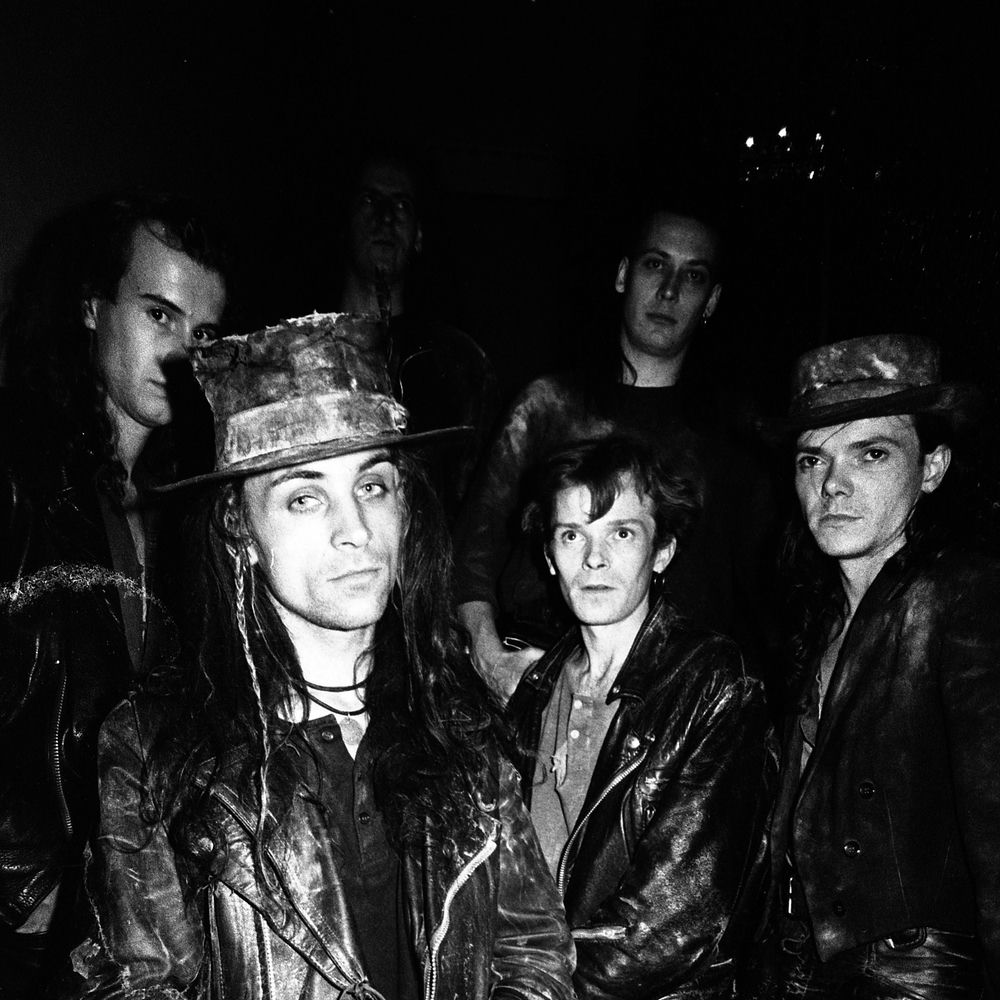
Formed in 1984, the original lineup featured vocalist Carl McCoy, saxophonist and guitarist Paul Wright, bassist Tony Pettitt, drummer Alexander "Nod" Wright, and guitarist Peter "Yaz" Yates. The band cultivated a mysterious, Western-tinged aesthetic, blending dusty trench coats with occult and mythological themes, setting them apart from their post-punk and goth contemporaries in the London scene.
Breakthrough
The band's major breakthrough arrived in 1988 with their second studio album, The Nephilim. Released on the Situation Two label, the record peaked at number 14 on the UK Albums Chart, cementing their status. Its dense, swirling guitars, tribal rhythms, and McCoy's iconic gravelly vocals defined their signature sound, moving beyond their earlier post-punk foundations.
Key tracks
Moonchild - This early single from their 1987 debut Dawnrazor established their cinematic, slow-burning sound and remains a fan favorite.
Preacher Man - A driving, anthemic track from The Nephilim that became one of their most recognizable songs and a staple of goth club playlists.
Psychonaut - From the same album, this epic track exemplifies their ambitious, layered compositions and mystical lyrical preoccupations.
Sumerland (Forlorn Land) - A key track from their 1990 album Elizium, showcasing a more psychedelic and textured evolution of their style.
Following internal tensions, Carl McCoy left the band in 1991, leading to a lengthy hiatus. The remaining members briefly continued as Rubicon. McCoy eventually revived the Fields of the Nephilim name in the late 1990s, releasing new material like the 2005 album Mourning Sun and continuing to perform live with a rotating lineup, maintaining a dedicated cult following worldwide. Their influence is frequently cited by later bands in the dark alternative and metal spheres.
Fans of Fields of the Nephilim's immersive gothic rock may also appreciate the work of The Sisters Of Mercy, who share a foundational role in the genre with a more rock-driven approach. The atmospheric depth of The Mission also resonates, born from the same UK goth scene. For a darker, more deathrock-oriented sound, explore Christian Death. The melodic yet somber tones of The Cure from their early 1980s period provide another key reference point in alternative music.