Filipinki
Type: Group
 Radio play / Audiobook
Listen on radio stations:
Filipinki: The Pioneering Polish Girl Group of the 1960s
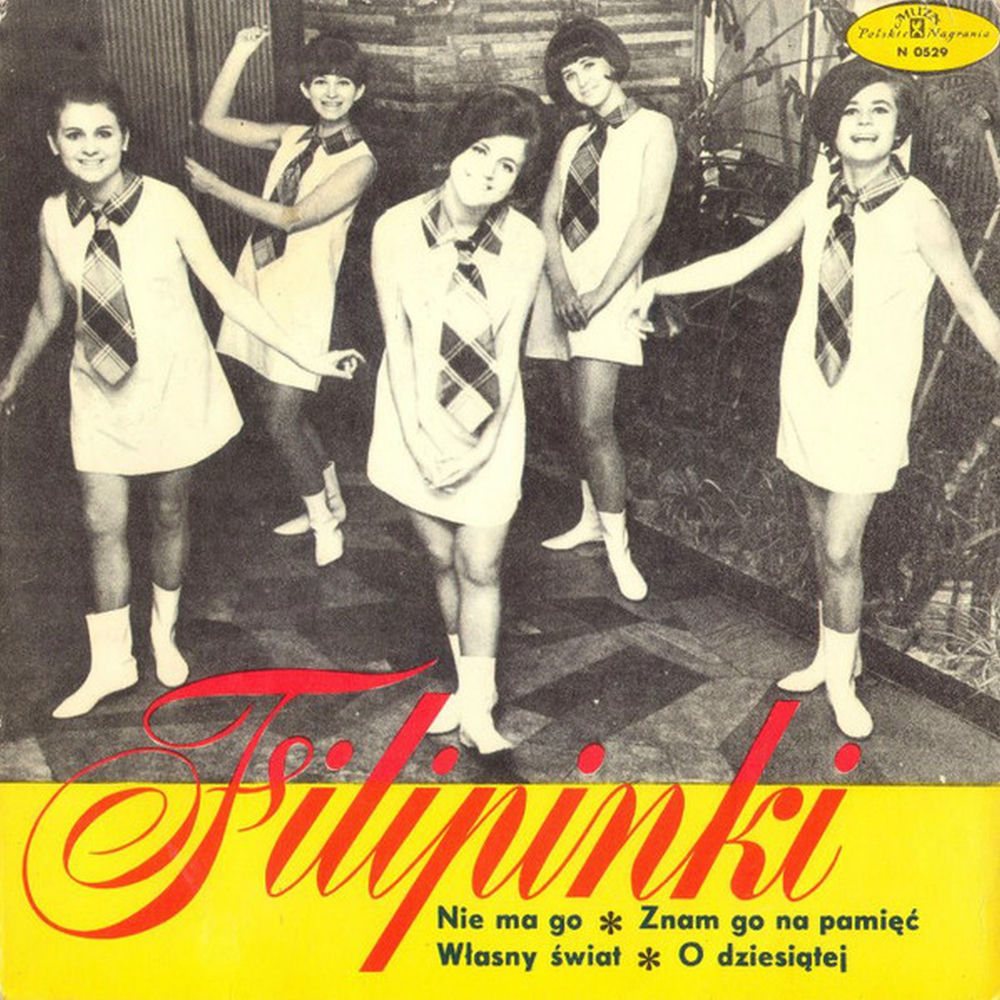
Filipinki were a trailblazing Polish vocal group that became one of the most popular and influential beat and pop ensembles of the 1960s. Hailing from Szczecin, the group achieved massive commercial success, selling millions of records and defining the sound of a generation in Poland.
Early career
The group was formed in 1959 at a youth club in Szczecin, initially performing under the name "Rytm." They quickly evolved into Filipinki, a name inspired by a popular comic strip character. Their early repertoire consisted of covers of Western rock and roll, twist, and doo-wop hits, which they adapted into Polish, developing a distinctive and energetic stage presence.
Breakthrough
Filipinki's national breakthrough came in the early 1960s following successful performances and radio broadcasts. Their association with the state-owned record label Polskie Nagrania "Muza" provided a platform, and their 1964 debut album, simply titled Filipinki, solidified their star status. The group's infectious harmonies and modern arrangements resonated widely, leading to consistently high record sales and sold-out concert tours across the country.
Key tracks
Mówiłam żartem - This catchy twist number became one of their signature early hits, showcasing their vibrant energy and perfect vocal synchronization.
Nie mów nic - A prime example of their foray into the beat genre, this song featured driving rhythms and reflected the contemporary youth movement.
Andrus - This track demonstrated their versatility, incorporating folk-inspired melodies into their pop framework and broadening their appeal.
Zakochani - A beautiful ballad that highlighted the group's more sophisticated harmonic capabilities and emotional delivery.
Jesień - Later in their career, this song saw them adapting to the evolving psychedelic pop and baroque pop trends of the late 1960s.
Throughout the decade, Filipinki released a string of successful albums and singles, constantly evolving their sound to include soul, funk, and psychedelic influences. They collaborated with major Polish composers and represented the country at international festivals. The original lineup underwent changes, but the group's popularity remained immense until their initial dissolution in 1974.
For fans of the classic Polish beat sound, similar artists from the era include Czerwone Gitary, who also crafted melodic guitar-driven pop. Skaldowie shared a knack for blending folk motifs with contemporary rock and vocal harmonies. The energetic stage presence can be compared to No To Co, another popular vocal and instrumental group of the period. Trubadurzy operated in a similar space of polished, radio-friendly vocal music with broad appeal.
Filipinki's music remains a staple on classic hit radio stations and dedicated online streams focusing on 1960s pop and rock nostalgia. Their recordings are frequently featured in programming blocks dedicated to the golden age of Polish popular music.
The enduring legacy of Filipinki is heard on radio stations featured on our website, where their iconic songs continue to captivate listeners. You can discover the music of this foundational Polish group through the radio stations available on onairium.com.