

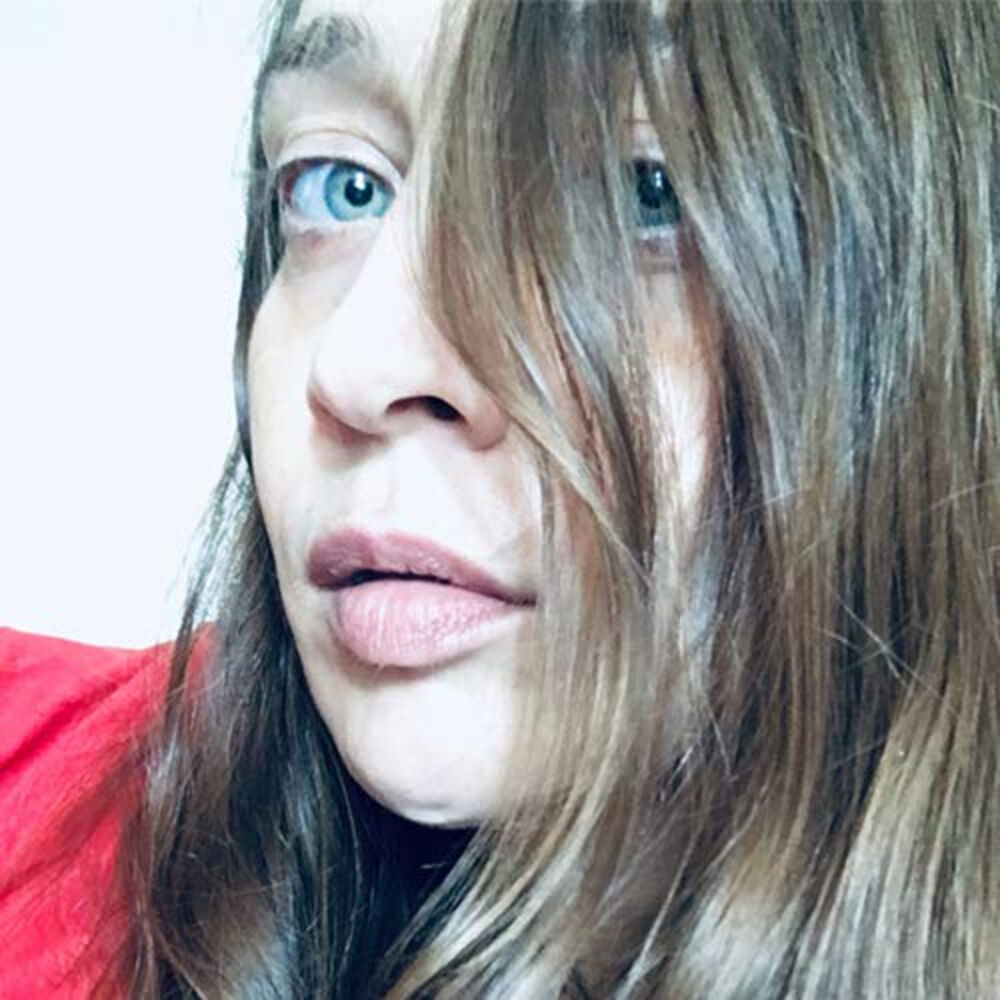
Fiona Apple
Listen Fiona Apple on radio stations:


Fiona Apple: The Uncompromising Voice of Piano-Driven Alternative Rock
Fiona Apple is an American singer-songwriter known for her deeply personal lyrics, complex piano compositions, and a raw vocal style that defies easy categorization. Emerging from New York City in the mid-1990s, she achieved immediate and massive commercial success with her debut album Tidal, which was certified triple-platinum and spawned the Grammy-winning hit "Criminal."
Early Career
Born in New York City in 1977, Fiona Apple McAfee-Maggart began writing songs on the piano as a teenager as an outlet for personal turmoil. Her demo tape, which included early versions of future songs, found its way to Sony Music, leading to a record deal while she was still in her teens. This rapid ascent set the stage for her startlingly mature debut.
Breakthrough
Fiona Apple's 1996 debut album, Tidal, released on the Clean Slate/Work Group labels, was a seismic event in alternative music. Propelled by the provocative video for "Criminal," the album sold over three million copies in the United States alone, earning triple-platinum status and winning Apple a Grammy for Best Female Rock Vocal Performance for that single. This success established her not as a pop confection, but as a serious, albeit suddenly famous, artist with a fiercely independent vision.
Key Tracks
Shadowboxer - The brooding opening track from Tidal that immediately introduced her sophisticated jazz-inflected piano style and lyrical intensity.
Criminal - The Grammy-winning single whose controversial video and frank lyrics catapulted her to mainstream fame, defining the complex relationship she would have with celebrity.
Fast as You Can - A driving, rhythmically complex lead single from her 1999 sophomore album When the Pawn... that showcased her evolving, more abrasive sound.
Paper Bag - A quintessential Fiona Apple song from When the Pawn... that blends a deceptively simple piano melody with brilliantly sharp and disillusioned lyricism.
Every Single Night - The lead single from 2012's The Idler Wheel..., a percussive and psychologically dense track that marked her long-awaited return after seven years.
Her second album, 1999's When the Pawn..., featuring its full title as a 90-word poem, was a critical triumph that refined her sound with producer Jon Brion. Following a lengthy hiatus, Fiona Apple returned with 2005's Extraordinary Machine, an album whose initial, unreleased Jon Brion-produced version became an early internet cause célèbre before being reworked. Her subsequent albums, 2012's The Idler Wheel... and 2020's Fetch the Bolt Cutters, were universally acclaimed for their radical, percussion-heavy experimentation and lyrical fearlessness, the latter earning a perfect score from Pitchfork and the Grammy for Best Alternative Music Album.
Artists with a similar lyrical depth and piano-based alternative rock approach include Tori Amos, a fellow pianist known for her confessional songwriting; PJ Harvey, who shares a similar intensity and artistic evolution; and Regina Spektor, who blends quirky piano pop with poignant storytelling.
