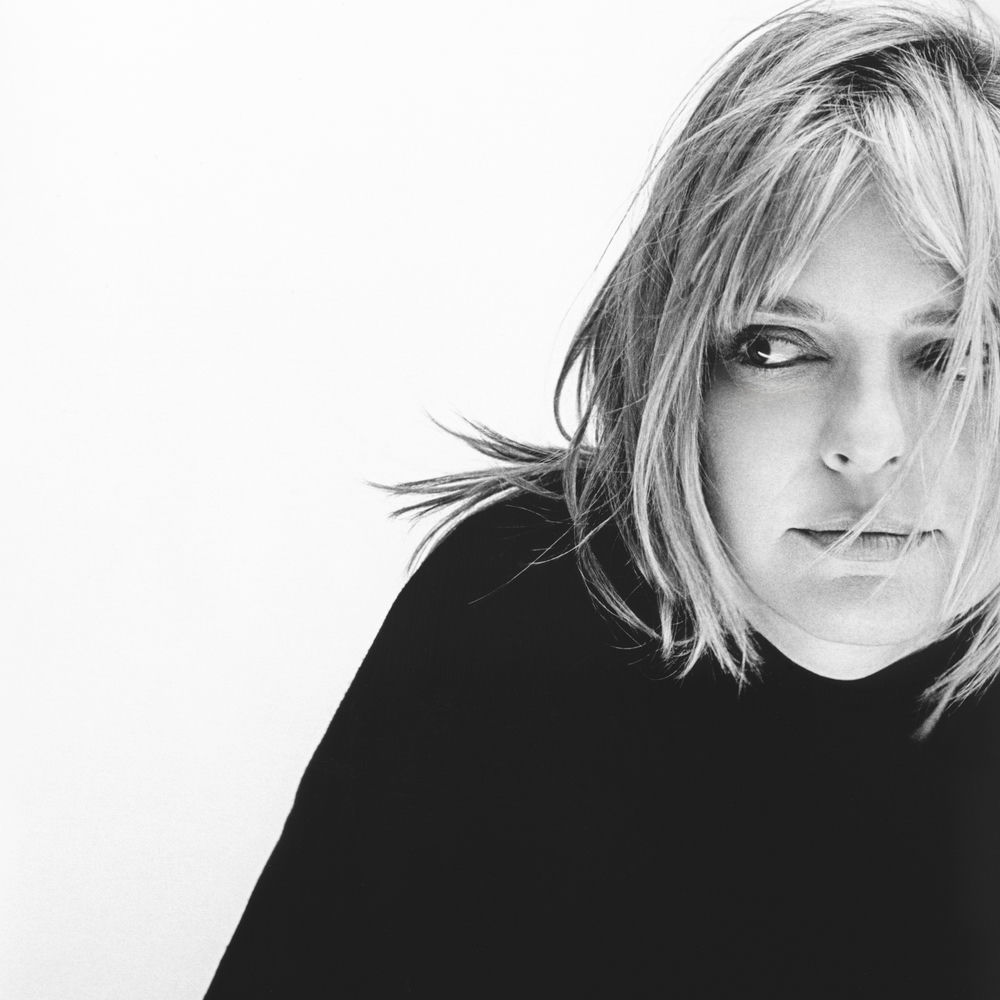
France Gall
 France
Listen France Gall on radio stations:









France Gall: The Voice of French Yé-Yé and Chanson
France Gall was a defining French singer who rose to international fame in the 1960s as a leading figure of the yé-yé pop movement. Her career, spanning over four decades, is marked by massive commercial success, including winning the Eurovision Song Contest and selling millions of records across Europe.
Early career
Born Isabelle Geneviève Marie Anne Gall in Paris in 1947, she was introduced to the music industry by her father, lyricist Robert Gall. At just sixteen, she was signed by the influential songwriter and producer Denis Bourgeois, who gave her the stage name France Gall and helped craft her initial innocent, teenage image.
Breakthrough
Her breakthrough came rapidly with the 1964 single Sacré Charlemagne, a major hit in France. This success was solidified internationally in 1965 when she won the Eurovision Song Contest for Luxembourg with the Serge Gainsbourg-penned song Poupée de cire, poupée de son, which became a smash hit across the continent and defined the yé-yé sound.
Key tracks
Poupée de cire, poupée de son - This Eurovision winner catapulted Gall to international stardom and became an anthem of the yé-yé era.
Les Sucettes - Another Gainsbourg collaboration, this controversially suggestive song famously led to a professional rift between Gall and the songwriter.
Ella, elle l'a - A massive 1987 comeback hit written by Michel Berger, paying tribute to Ella Fitzgerald and becoming one of her signature songs.
Résiste - A powerful 1981 pop anthem from her successful album Tout pour la musique, showcasing her mature artistic partnership with Michel Berger.
Babacar - The title track from her 1987 album, this song exemplified her sophisticated pop sound of the 1980s.
Throughout the late 1960s and 1970s, Gall evolved her sound, moving away from the yé-yé style. Her artistic and personal partnership with composer Michel Berger, beginning in 1973, was transformative, leading to a series of acclaimed albums like France Gall (1976) and Tout pour la musique (1981). She also starred in Berger's rock opera Starmania in 1979.
Her 1980s work, including the albums Débranche! (1984) and Babacar (1987), produced several enduring hits and cemented her status as a mature pop artist. Following Berger's sudden death in 1992, Gall recorded one final studio album, France (1996), before retiring from public life and performing, leaving behind a legacy as one of France's most beloved singers.
Fans of France Gall's journey from yé-yé to sophisticated chanson-pop often appreciate the work of Françoise Hardy, a contemporary who similarly shaped the 1960s French pop scene. The theatrical pop style she developed with Michel Berger finds a parallel in Daniel Balavoine, another Berger collaborator. Listeners drawn to her later, polished pop hits might also enjoy the music of Jane Birkin, who also navigated a unique path in French popular music.