Fred Katz
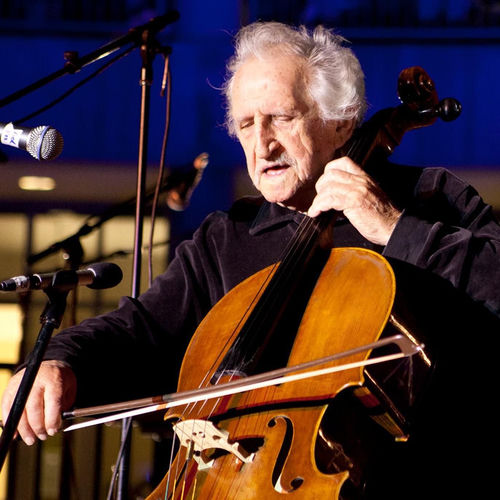
Fred Katz: The Cellist of Cool Jazz
Fred Katz was an American cellist, composer, and ethnomusicologist who carved a unique niche in the West Coast jazz scene of the 1950s and 60s. Hailing from Brooklyn, New York, his primary achievement was integrating the cello as a frontline jazz instrument within the celebrated Chico Hamilton Quintet, a group whose innovative sound defined the "cool jazz" genre.
Early career
Born in 1919, Katz's musical journey began with classical piano training before he formally studied cello. His early professional years in New York saw him working as an accompanist for vocalists and in pit orchestras, a diverse background that informed his adaptable style. His entry into jazz was somewhat serendipitous, beginning when he joined drummer Chico Hamilton's newly formed ensemble in 1955, initially as a pianist before switching to his signature instrument.
Breakthrough
Katz's breakthrough came with his tenure in the classic lineup of the Chico Hamilton Quintet from 1955 to 1958. The group's albums for the Pacific Jazz label, such as 1956's "Chico Hamilton Quintet in Hi-Fi," were critical and commercial successes that introduced a chamber jazz aesthetic to a wide audience. Katz's cello work was central to the quintet's identity, providing melodic leads, rhythmic counterpoint, and a sophisticated texture that set them apart on the jazz charts and in college concerts nationwide.
Key tracks
The Sage — This original composition by Katz became a quintessential piece for the Hamilton group, showcasing the cello's lyrical and rhythmic capabilities in a jazz context.
Blue Sands — A popular track from the quintet's debut, it features Katz's cello in a haunting, melodic dialogue with Buddy Collette's flute, defining their cool sound.
I Want to Be Happy — This standard, arranged by Katz for the album "Chico Hamilton Quintet in Hi-Fi," highlights his skill at reimagining familiar tunes through a jazz cello lens.
Frère Jacques — Katz's inventive arrangement of the children's rhyme turned it into a sophisticated, swinging jazz waltz, demonstrating his creative arranging talents.
After leaving Hamilton's group, Katz continued a multifaceted career that included recording several solo albums for Warner Bros. and Decca, such as "Fred Katz and His Jammers" and "Folk Songs for Far Out Folk." He also composed scores for films by Roger Corman, including "A Bucket of Blood" and "The Little Shop of Horrors," blending his jazz sensibilities with cinematic atmosphere. Furthermore, his academic pursuits led him to teach ethnomusicology and African studies at California State University, Fullerton.
Listeners who appreciate the intricate, chamber-style arrangements of Fred Katz might also enjoy the work of similar artists from the American jazz scene. Chico Hamilton led the groundbreaking quintet that was Katz's primary showcase. Modern Jazz Quartet shared a similar commitment to refined, classically-influenced small group jazz. Jimmy Giuffre explored a comparably subtle and contrapuntal approach to West Coast jazz. Buddy Collette was Katz's fellow innovator in the Hamilton quintet, contributing flute and saxophone to their signature sound.
Fred Katz's distinctive catalog remains in rotation on specialty jazz radio stations, particularly those focusing on classic cool jazz and West Coast jazz history. His recordings are staples on online jazz radio streams and public radio stations that feature dedicated jazz programming, ensuring his pioneering cello work continues to reach new ears.
The innovative cool jazz of Fred Katz can be heard on radio stations featured on our website. Listeners can discover his unique contributions to jazz history by tuning into the dedicated jazz stations available on onairium.com.