Freddie Bell
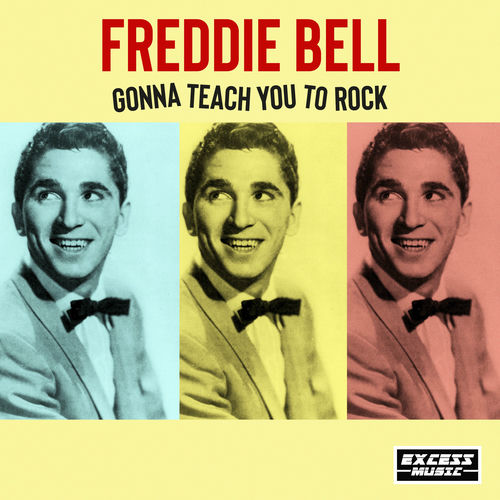
Freddie Bell: The Rock 'n' Roll Showman of the 1950s
Freddie Bell was an American rock and roll singer and bandleader whose energetic performances helped shape early rock's vibrant sound. Hailing from Philadelphia, his band Freddie Bell and the Bellboys achieved significant fame in the 1950s, most notably for their hit rearrangement of "Hound Dog," which directly influenced Elvis Presley's legendary cover.
Early career
Born in 1931, Freddie Bell began his musical journey in Philadelphia before relocating to the vibrant nightclub scene of Atlantic City and later Las Vegas. He formed Freddie Bell and the Bellboys in the early 1950s, a tight ensemble known for their dynamic stage show which combined music with comedy and choreography. Their act quickly became a staple on the casino circuit, leading to their first recordings for the small Teen and Mercury labels.
Breakthrough
The band's major breakthrough came in 1955 with their album "Freddie Bell and the Bellboys Rock and Roll All Stars" on the Mercury imprint. The album featured their now-famous, uptempo reworking of the Big Mama Thornton blues number "Hound Dog," stripping down its original feel for a driving, playful rock beat. This version became a massive live favorite and caught the ear of a young Elvis Presley in Las Vegas, directly inspiring his own 1956 recording that became a cultural phenomenon.
Key tracks
Hound Dog — Freddie Bell's 1955 rearrangement transformed the blues standard into a rock and roll anthem and served as the direct blueprint for Elvis Presley's iconic cover.
Giddy Up a Ding Dong — This original novelty song became a signature tune for the band, showcasing their playful, crowd-pleasing style and was featured in the 1956 film "Rock Around the Clock."
Teach You to Rock — A prime example of the band's energetic, instruction-themed rock and roll that filled dance floors and defined their lively casino sets.
Capitalizing on their growing notoriety, Freddie Bell and the Bellboys appeared in several seminal rock and roll movies of the era, including "Rock Around the Clock" (1956) and "Rumble on the Docks" (1956). These film appearances cemented their national profile as purveyors of exciting, accessible rock and roll. The band continued to tour and record throughout the late 1950s and into the 1960s, though changing musical tastes eventually shifted their focus back to the Las Vegas lounge circuit where they remained a popular live act.
For fans of Freddie Bell's brand of 1950s American rock and roll, our station library also features music from similar high-energy acts. Bill Haley brought a similar danceable, big-band-inflected rock sound to global audiences. The Platters shared the Las Vegas stage glamour and smooth vocal harmonies that defined the era's nightclub scene. Jerry Lee Lewis embodied the same untamed, piano-pounding spirit and explosive performance style that made rock and roll revolutionary.
Freddie Bell's music maintains a steady presence on classic rock FM stations and dedicated oldies radio streams that celebrate the foundational years of rock. His recordings are regularly featured in blocks of 1950s rock and roll, often highlighting the original versions of songs that later became mega-hits for other artists. Online rock radio stations with a focus on music history frequently program his work to illustrate the genre's early evolution and cross-pollination.
The rock and roll legacy of Freddie Bell and the Bellboys can be heard on radio stations featured on our website. Listeners can discover his influential catalog and energetic performances by tuning into the classic rock and dedicated oldies stations available on onairium.com.