
Frumpy: Pioneers of German Krautrock and Progressive Rock
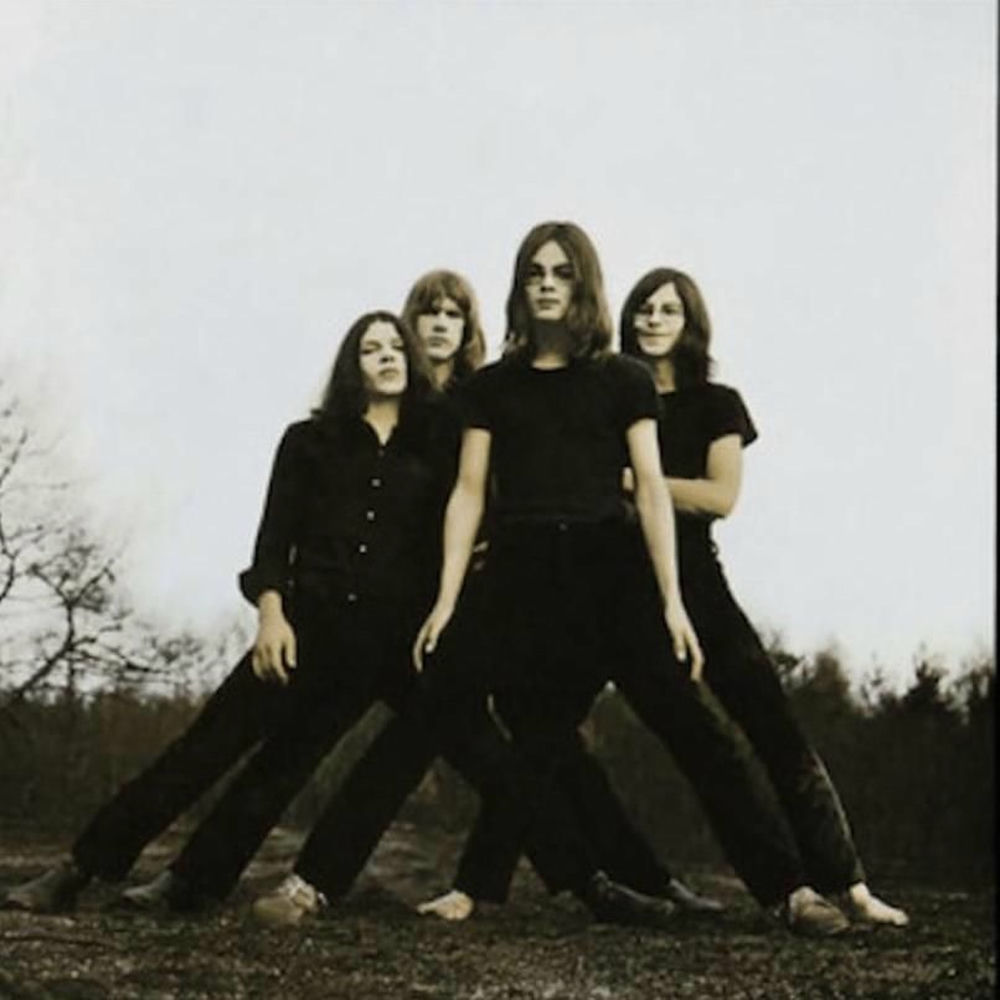
Frumpy was a German rock band that emerged from Hamburg's vibrant early 1970s music scene. The group is best known for its dynamic fusion of progressive rock, psychedelic jams, and blues, anchored by the powerful vocals of frontwoman Inga Rumpf.
Early Career
Formed in Hamburg in 1970, Frumpy evolved from the ashes of the beat group The City Preachers. The original lineup featured Inga Rumpf on vocals, Jean-Jacques Kravetz on keyboards, Karl-Heinz Schott on bass, and Carsten Bohn on drums. Their self-titled debut album, "Frumpy," was released in 1970, quickly establishing their reputation for extended, organ-driven compositions and Rumpf's distinctive, soul-inflected voice.
Breakthrough
The band's breakthrough came with their second album, "Frumpy 2," released in 1971. This record contained their most famous track, "How the Gipsy Was Born," a sprawling sixteen-minute epic that became a staple of German progressive rock radio. The album's success solidified their position as leading figures in the Krautrock movement, known for its experimental approach to rock music.
Key Tracks
How the Gipsy Was Born - This lengthy, atmospheric track is the band's signature song, showcasing their improvisational skill and progressive structure.
Morning - A driving, organ-heavy piece that highlights the band's blues-rock roots and energetic musicianship.
Life Is Life - A popular track that demonstrates their ability to craft shorter, more accessible songs without sacrificing musical complexity.
After releasing two more albums, "By the Way" in 1972 and "Frumpy Live" in 1973, the band disbanded in 1972 due to internal tensions. Several members, most notably Inga Rumpf and keyboardist Jean-Jacques Kravetz, reunited in 1974 for a second, slightly more jazz-rock oriented phase of Frumpy, producing two further albums before dissolving again in 1975. Despite their relatively short initial run, Frumpy's influence on the German rock scene was significant, blending American-inspired blues and rock with a distinctly European progressive sensibility.
Artists with a similar pioneering spirit in German rock include Amon Düül, who shared an affinity for extended, improvisational rock forms. The jazz-rock fusion of Embryo also explores similar musical territories. For the powerful female vocal presence within progressive rock, Renaissance offers a parallel, though from the British tradition.