

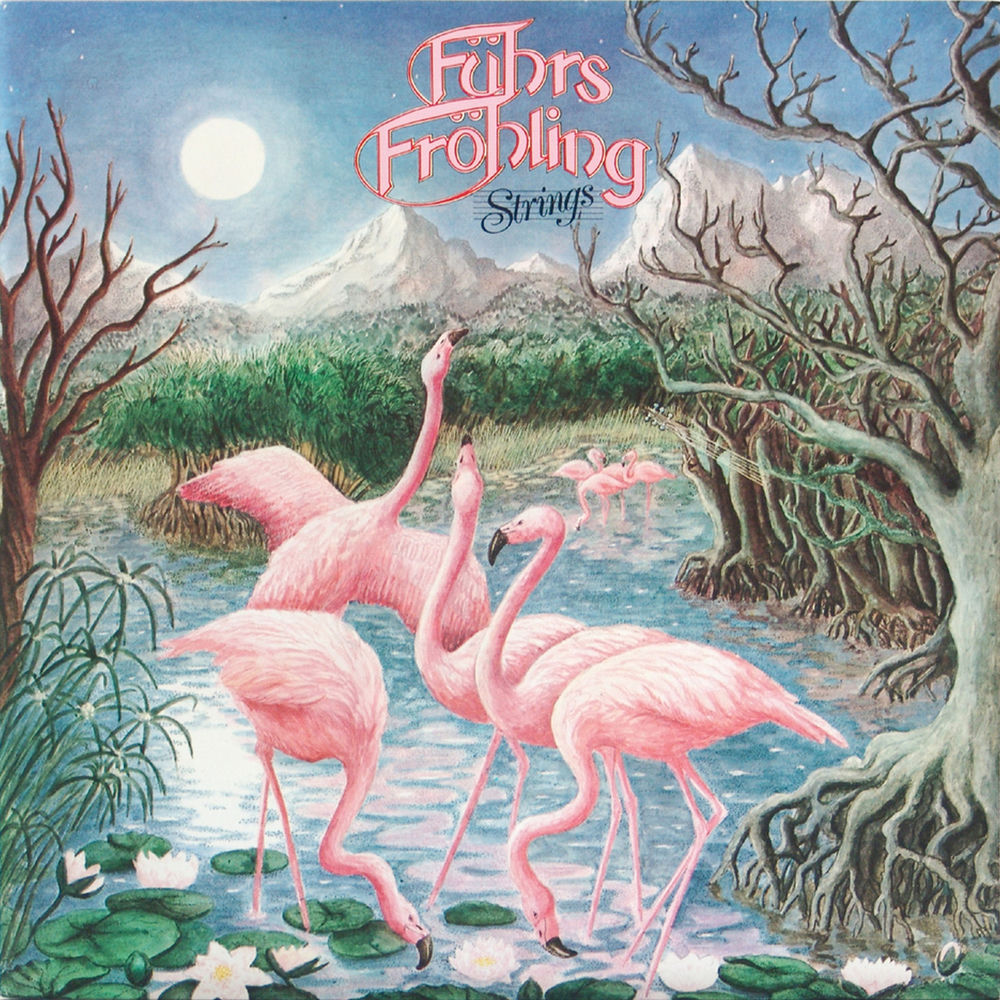
Führs & Fröhling: Pioneers of Progressive Electronic
Führs & Fröhling were a German instrumental duo who crafted a unique and influential sound within the progressive electronic genre. Active in the late 1970s, their work is characterized by intricate synthesizer and guitar interplay, leaving a lasting mark on the Krautrock and electronic music landscape.
Early Career
The duo formed in Germany around 1974, consisting of multi-instrumentalists Harald Führs and Friedhelm Fröhling. Their early work was deeply rooted in the experimental spirit of the era, blending elements of progressive rock with emerging electronic music technologies.
Breakthrough
Führs & Fröhling gained significant attention with their 1978 debut album, Ammerland, released on the Sky Records label. The album's expansive, atmospheric compositions and masterful use of Mellotron, synthesizers, and electric guitar established them as innovative forces in the German instrumental scene.
Key Tracks
Ammerland - The title track from their debut is a sprawling, side-long epic that showcases their signature blend of melodic guitar lines and lush, sequenced synthesizer textures.
Norderney - This track exemplifies their dynamic range, moving from delicate, ambient passages to powerful, rhythmic sections driven by complex keyboard work.
Garten - Featured on their second album, this piece highlights their evolving compositional style, incorporating more pronounced melodic themes and intricate instrumental layering.
Following Ammerland, the duo released their second and final studio album, Strings, in 1980. This album continued their exploration of synthetic and organic sounds but also hinted at a more accessible, sometimes jazz-fusion influenced direction. Despite a relatively brief recorded output, the music of Führs & Fröhling remains highly regarded by collectors and enthusiasts of progressive electronic music for its craftsmanship and visionary approach.
Listeners who appreciate the synthesizer-driven explorations of Tangerine Dream will find familiar cosmic atmospheres. The instrumental focus and melodic sensibility share common ground with Ashra. Their blend of guitar and electronics also relates to the work of Klaus Schulze in his more structured periods.
