

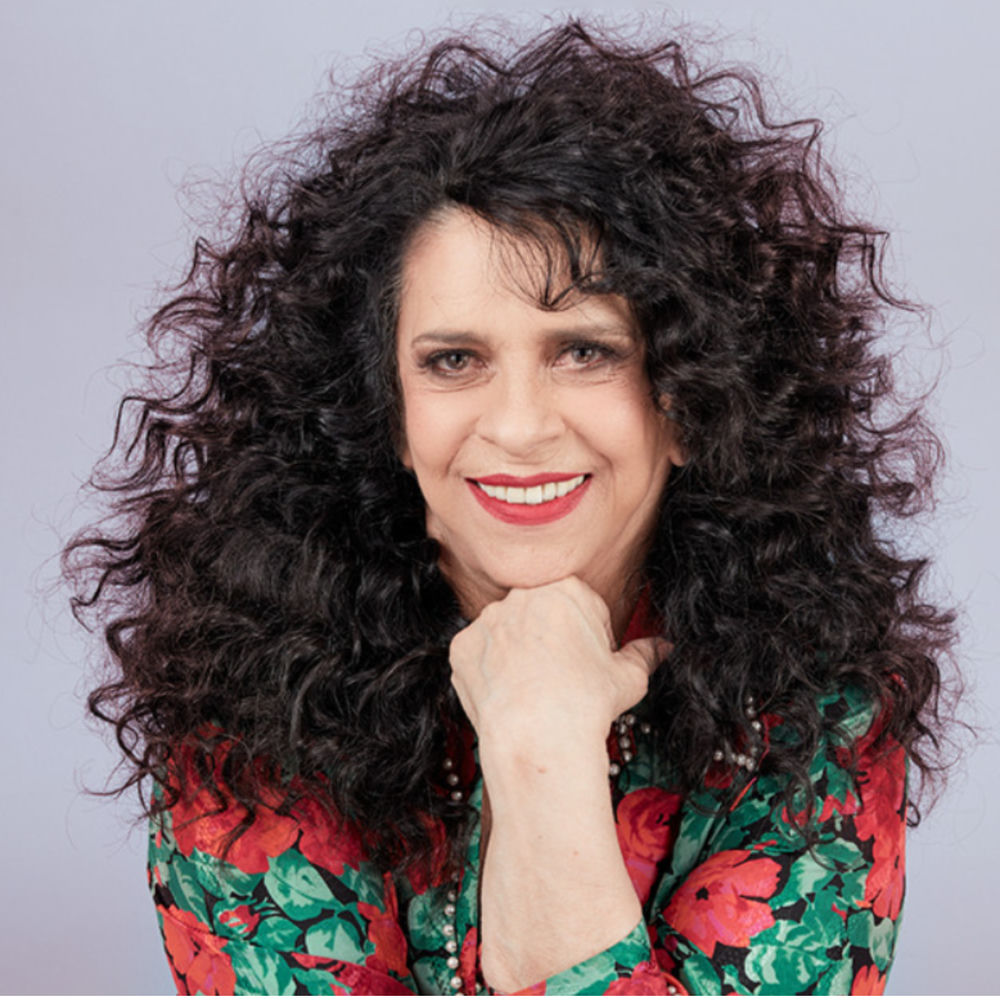
Gal Costa
Listen Gal Costa on radio stations:









Gal Costa: The Voice of Brazilian Tropicália
Gal Costa is a foundational Brazilian singer whose career became synonymous with the revolutionary Tropicália movement. Hailing from Salvador, Bahia, her powerful and versatile voice helped define a generation of Brazilian music, blending traditional styles with psychedelic rock and avant-garde pop.
Early Career
Born Maria da Graça Costa Penna Burgos in 1945, her musical journey began in her hometown of Salvador. In the mid-1960s, she moved to Rio de Janeiro and, alongside childhood friend Caetano Veloso, became a central figure in the burgeoning musical scene that would soon erupt as Tropicália.
Breakthrough
Gal Costa's breakthrough arrived in 1968 with her participation in the seminal collaborative album "Tropicália: ou Panis et Circensis," a landmark record that defined the movement. Her self-titled solo album "Gal Costa" (1969), also known as "Gal," featuring lush arrangements and bold reinterpretations, solidified her status as a leading voice of her generation and a defiant artistic force during a period of political repression in Brazil.
Key Tracks
Baby - Originally by Caetano Veloso, her 1969 rendition became an anthem of the Tropicália era, showcasing her intimate yet commanding vocal style.
Meu Nome é Gal - The opening track of her 1969 album, this song announced her artistic identity with a blend of bossa nova cool and rock energy.
Que Pena - Another Veloso composition, her version highlighted her ability to fuse Brazilian rhythms with contemporary 1960s pop sensibilities.
Tuareg - This track from the 1979 album "Gal Tropical" demonstrated her successful navigation into the MPB (Música Popular Brasileira) mainstream with sophisticated production.
Throughout the 1970s and beyond, Gal Costa evolved from a tropicalista icon into a grand dame of Brazilian popular music (MPB). She released a prolific string of albums, interpreting works by major songwriters like Veloso, Gilberto Gil, and Chico Buarque, and her live performances were celebrated for their emotional intensity and vocal prowess.
Artists exploring similar blends of Brazilian roots and innovative arrangements include Caetano Veloso, a lifelong collaborator and fellow Tropicália pioneer. Gilberto Gil shares her revolutionary spirit and melodic genius, while the vocal style of Maria Bethânia offers a powerful parallel in interpreting Brazilian songbooks.
