

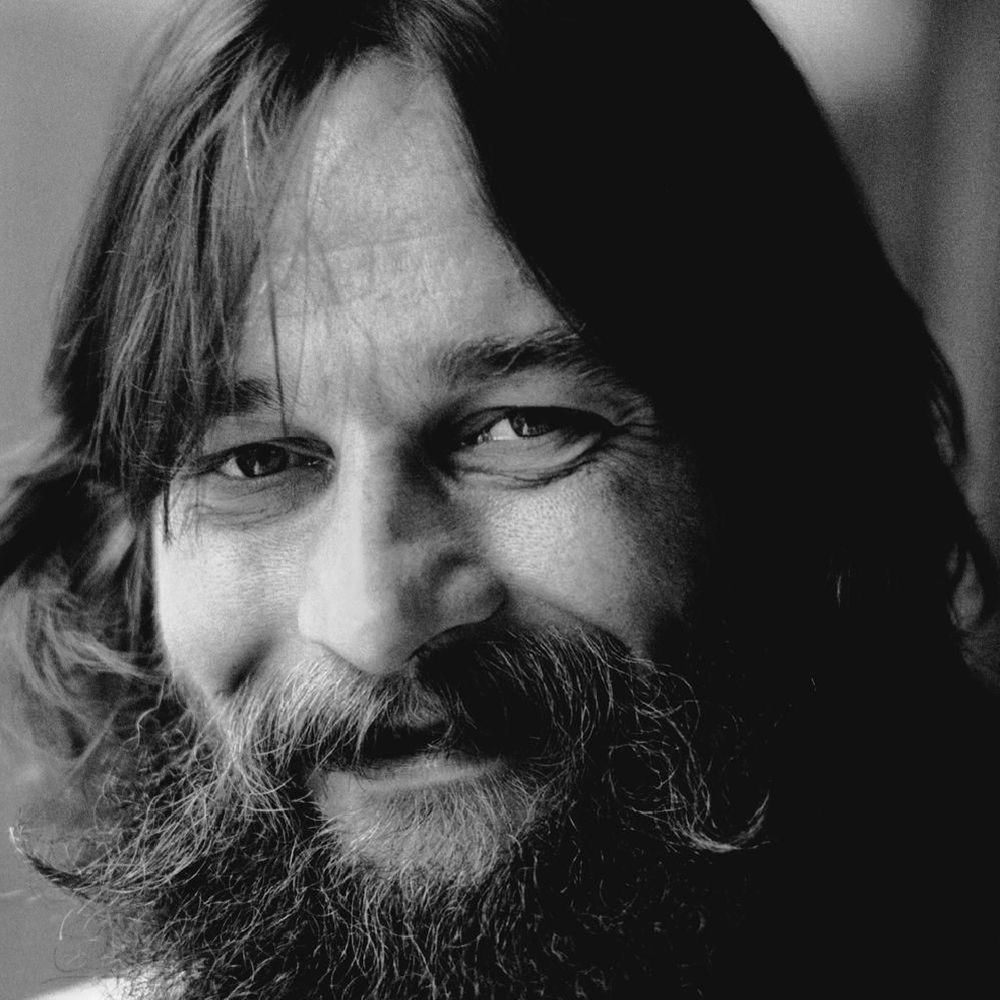
Gene Clark: The Pioneering Voice of Country Rock
Gene Clark was a foundational American singer-songwriter best known for his pivotal role in shaping the country-rock genre. As a key founding member of The Byrds, his rich, melancholic songwriting provided a crucial counterpoint to the band's folk-rock jangle, contributing to their early success with hits like "I'll Feel a Whole Lot Better."
Early Career
Born Harold Eugene Clark in 1944 in Tipton, Missouri, his musical journey began in earnest after moving to Los Angeles. His early professional steps included a brief stint with the New Christy Minstrels before he co-founded The Byrds in 1964, where his distinctive vocals and burgeoning songwriting talent quickly became central to the group's sound.
Breakthrough
Gene Clark's breakthrough occurred with The Byrds' meteoric rise in 1965, fueled by their chart-topping cover of "Mr. Tambourine Man." While with the band, he co-wrote and sang lead on several standout tracks, but his tenure was short-lived; he left in early 1966 due to a fear of flying and a desire to pursue his own musical path, embarking on a solo career that would cement his legacy as a genre pioneer.
Key Tracks
I'll Feel a Whole Lot Better - This Clark-penned Byrds B-side became a fan favorite and a staple of the folk-rock canon, showcasing his knack for melodic, heartfelt songwriting.
Eight Miles High - Co-written by Clark during his Byrds period, this groundbreaking track pioneered psychedelic rock and remains one of the band's most iconic songs.
No Other - The title track from his ambitious 1974 solo album is a lush, sprawling masterpiece that defied genre conventions and has since been critically reevaluated as a lost classic.
Silver Raven - A highlight from his 1974 album "No Other," this song exemplifies the atmospheric, deeply personal country-rock sound Clark perfected in his solo work.
After leaving The Byrds, Gene Clark released a series of influential solo albums and collaborations, including work with the country-rock ensemble Dillard & Clark. His 1974 album "No Other," though a commercial disappointment at the time, is now revered as a visionary work. Clark continued to write and perform until his passing in 1991, leaving behind a profound influence on the Americana and alternative country movements.
Fans of Gene Clark's introspective country-rock may also appreciate the work of Gram Parsons, who similarly fused country sincerity with rock energy. The melodic folk-rock of The Byrds is, of course, essential listening. The earthy songwriting of Emmylou Harris also shares a spiritual kinship with Clark's work, as does the early country-rock sound of Flying Burrito Brothers.
The music of Gene Clark, a true architect of country rock, continues to resonate on classic rock and Americana-focused radio stations. Listeners can discover the depth of his catalog through stations that celebrate singer-songwriter legacies and the roots of alternative country.
