


George Frideric Handel
Listen George Frideric Handel on radio stations:
George Frideric Handel: The Baroque Master of Oratorio and Opera
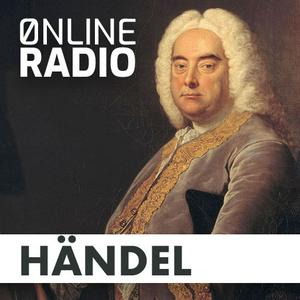
George Frideric Handel was a German-born, later British-naturalized, composer of the Baroque era whose prolific output left an indelible mark on Western classical music. Best known for his monumental oratorio Messiah and his ceremonial orchestral work Water Music, Handel achieved significant commercial success and royal patronage during his lifetime, becoming a dominant figure in London's musical scene.
Early Career
Born in Halle, Germany, in 1685, Handel initially studied law before fully committing to music, holding early positions as a violinist and harpsichordist in Hamburg. His early operas, such as Almira, premiered in Hamburg in 1705, and a subsequent period in Italy from 1706 to 1710 immersed him in the Italian operatic style, profoundly influencing his future compositions for the stage.
Breakthrough
Handel's move to London in 1712 proved decisive. His opera Rinaldo (1711) had already created a sensation there, and he soon secured a position with the British royal family. The 1717 premiere of his Water Music suite for King George I on the River Thames cemented his reputation and royal favor, leading to a long and productive career composing operas, oratorios, and state music for English audiences.
Key Tracks
Messiah, HWV 56 - This 1741 oratorio, featuring the famed "Hallelujah" chorus, remains his most celebrated work, a staple of choral societies worldwide.
Water Music, HWV 348-350 - Composed for a royal barge party, this suite of movements is a pinnacle of Baroque orchestral music and public spectacle.
Music for the Royal Fireworks, HWV 351 - Written in 1749 to celebrate the Treaty of Aix-la-Chapelle, its grand orchestration was designed for outdoor performance.
Zadok the Priest, HWV 258 - Composed for the coronation of King George II in 1727, this anthem has been performed at every British coronation since.
Lascia ch'io pianga - This poignant aria from his 1711 opera Rinaldo is one of the most beloved and frequently performed pieces from Baroque opera.
In his later career, Handel shifted focus from Italian opera to English oratorio, a move driven by public taste and yielding masterpieces like Samson, Judas Maccabaeus, and Solomon. He co-managed the Royal Academy of Music and later his own opera companies, facing both artistic triumphs and financial challenges. Despite suffering from blindness in his final years, he continued to perform and revise his works until his death in London in 1759, where he was buried in Westminster Abbey.
Listeners who appreciate the dramatic scope and intricate beauty of Handel's Baroque compositions often enjoy the works of his contemporaries. The operas of Johann Adolf Hasse capture a similar Italianate vocal elegance. The sacred choral works of Johann Sebastian Bach, though more complex in counterpoint, share the same profound devotional intensity. The orchestral concerti of Antonio Vivaldi exhibit the same vibrant energy and rhythmic drive found in Handel's instrumental suites.
