George Wallington: The Bebop Pianist's Journey
George Wallington was an American jazz pianist and composer, a key figure in the bebop movement of the 1940s and 1950s. Born Giacinto Figlia in Palermo, Italy, he immigrated to the United States as a child and became a fixture on the vibrant 52nd Street scene, recording several influential albums for labels like Prestige and Savoy.
Early career
Born in 1924, Wallington's family moved to New York City when he was a child. He began his professional career in the early 1940s, quickly immersing himself in the emerging bebop style. His first significant recordings came as a sideman, playing with legends like Dizzy Gillespie and Charlie Parker on seminal 52nd Street sessions.
He formed his own groups and began recording as a leader in 1949 for the New Jazz label, a subsidiary of Prestige Records. These early sessions showcased his crisp, inventive playing and his talent for composing complex yet melodic tunes within the bebop framework.
Breakthrough
George Wallington's breakthrough as a defining voice came with his 1957 album The George Wallington Trio at the Bohemia, released on the Progressive label. While not a chart-topper, this live recording captured the energy and sophistication of his playing at its peak and is considered a classic of the piano trio format in modern jazz.
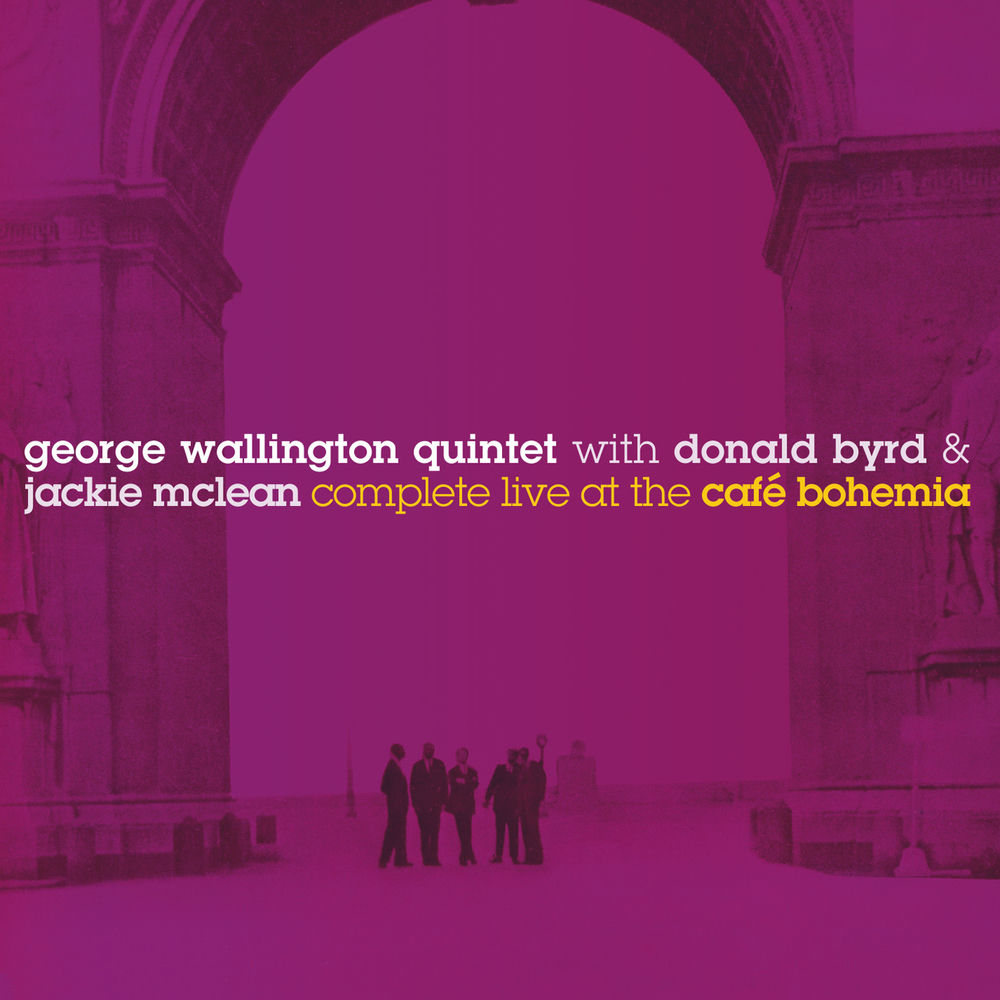
His earlier 1954 album for the Savoy label, simply titled George Wallington, also solidified his reputation. Featuring a quintet with Donald Byrd and Jackie McLean, it highlighted his skills as both a performer and a writer of enduring bebop compositions.
Key tracks
Godchild — This composition, recorded by Miles Davis on the seminal Birth of the Cool sessions, became a jazz standard and remains Wallington's most famous piece.
Lemon Drop — A lively, quintessential bebop tune he wrote and recorded, showcasing his knack for crafting memorable melodies over complex chord changes.
Our Delight — Another Wallington original that became a staple in the bebop repertoire, frequently played by other musicians for its driving rhythm and harmonic sophistication.
Festival — A track from his 1954 Savoy album that exemplifies his clean, articulate piano style and advanced compositional thinking.
After the peak activity of the 1950s, George Wallington stepped back from the music industry in the early 1960s to join his family's air-conditioning business. His recorded output ceased, creating an aura of mystery around his later life. He made a brief, one-album return to recording in 1984 with The New York Scene for the Danish SteepleChase label before passing away in 1993.
For fans of the intricate and energetic style of George Wallington, similar artists in the bebop and hard bop piano tradition include Bud Powell, a foundational bebop pianist known for his blistering technique. Al Haig offers a similarly refined approach, having also played with Charlie Parker. Hampton Hawes brought a potent, blues-inflected West Coast style to the genre. Barry Harris continues the pure bebop lineage with deep harmonic knowledge and a flowing touch.
RADIO ROTATION: The music of George Wallington maintains a respected place in the programming of classic jazz FM stations and dedicated online jazz radio streams. His recordings, particularly his trio work and quintet dates, are regularly featured on stations specializing in bebop and the golden age of modern jazz, ensuring his sophisticated sound reaches new generations of listeners.
You can explore the crisp, inventive bebop of George Wallington by tuning into the jazz radio stations featured on onairium.com. Our curated selection of stations provides the perfect channel to discover or revisit the essential recordings of this pivotal pianist and composer.