Gioachino Rossini
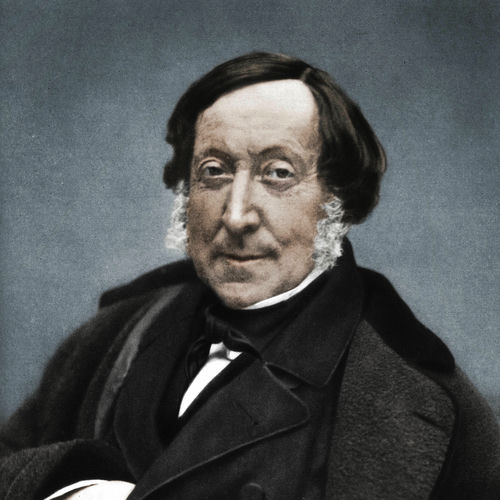
Gioachino Rossini: The Operatic Master of Italian Bel Canto
Gioachino Rossini was a preeminent Italian composer who dominated the early 19th-century opera scene. His prolific output and melodic genius produced some of the most enduring and frequently performed works in the operatic repertoire, securing his legacy as a cornerstone of classical music.
Early career
Born in Pesaro, Italy in 1792, Rossini displayed musical talent early and studied at the prestigious Liceo Musicale in Bologna. His first opera, La cambiale di matrimonio, was staged in Venice in 1810, launching a meteoric career that would see him compose nearly 40 operas in just two decades.
Breakthrough
Rossini's international breakthrough came with the 1816 premiere of Il barbiere di Siviglia (The Barber of Seville) in Rome. Despite a famously disastrous opening night, the opera swiftly became a global sensation, celebrated for its breakneck pacing, inventive orchestration, and unforgettable arias, cementing his fame across Europe.
Key tracks
Il barbiere di Siviglia: Largo al factotum — This iconic baritone aria, known for its rapid-fire "Figaro" refrain, is a definitive showcase of Rossini's comic brilliance and technical demand.
Guillaume Tell: Overture — The thrilling finale of this overture, used as the theme for *The Lone Ranger*, remains one of the most recognized pieces of classical music worldwide.
La Cenerentola: Non più mesta — This triumphant final aria exemplifies Rossini's mastery of the *bel canto* style and his skill in writing for the contralto voice.
L'italiana in Algeri: Cruda sorte — A brilliant introduction for its heroine, this aria perfectly blends lyrical beauty with comedic characterisation.
Stabat Mater — This major sacred work demonstrated Rossini's profound skill beyond opera, achieving significant popularity and critical acclaim.
Following his operatic triumph, Rossini astonished the musical world by effectively retiring from the stage in 1829 after Guillaume Tell, while still in his thirties. He later composed a distinctive collection of salon pieces he humorously called Péchés de vieillesse (Sins of Old Age), showcasing a witty and experimental side.
Artists who share Rossini's foundational influence in Italian opera and the *bel canto* tradition include Gaetano Donizetti, a contemporary who mastered both comic and serious opera with prolific output. Vincenzo Bellini is revered for his long, expressive melodic lines that pushed *bel canto* to new heights of emotion. The later giant Giuseppe Verdi built upon the dramatic foundations Rossini established, eventually transforming Italian opera entirely. Giacomo Puccini continued the Italian emphasis on vocal melody and drama into the verismo era of the late 19th and early 20th centuries.
RADIO ROTATION: The music of Gioachino Rossini forms an essential part of the programming on dedicated classical music and opera radio stations. His overtures and arias are staples on syndicated classical FM broadcasts, live opera transmissions, and specialized online streams focusing on the core repertoire.
Listeners can explore the vibrant world of Gioachino Rossini through the classical stations featured on our platform. Tune in via onairium.com to hear his masterful operas and spirited overtures played on radio stations dedicated to bringing great composers to life.