Gjallarhorn
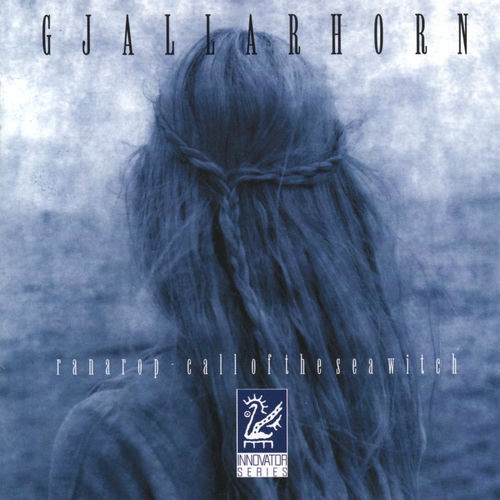
Gjallarhorn: Pioneering Nordic Folk Fusion
Gjallarhorn is a Finnish acoustic ensemble renowned for blending ancient Scandinavian folk traditions with global rhythms and a powerful, atmospheric sound. Formed in 1994, the group from Ostrobothnia, Finland, achieved international acclaim for their 1997 album Sjofn, which became a landmark release in the Nordic roots music scene and established their signature, haunting style.
Early career
Gjallarhorn was founded in 1994 by violinist and vocalist Jenny Wilhelms, alongside her brother Jakob on percussion, and musicians Tommy Mansikka-Aho and Christopher Öhman. The band's name, taken from the horn of the Norse god Heimdallr, signaled their deep connection to Nordic mythology and folklore. Their 1996 self-released debut, Ranjanzz, immediately showcased their innovative approach, using the Finnish bowed lyre (jouhikko), didgeridoo, and Wilhelms' distinctive kulning (herding calls) to create a timeless, evocative sound.
Breakthrough
The group's major breakthrough arrived with their 1997 sophomore album, Sjofn, released on the Swedish label Xource/MNW. This album captured the attention of the global world music circuit, earning widespread critical praise for its mesmerizing fusion of medieval ballads, original compositions, and rhythmic drive. Sjofn solidified Gjallarhorn's reputation as leading innovators within the Nordic folk genre and led to extensive international touring.
Key tracks
Sjofn — The title track from their breakthrough album exemplifies their ethereal vocal harmonies and rhythmic jouhikko playing.
Kruspolska — A dynamic instrumental piece that highlights the band's mastery of traditional Swedish polska forms with a contemporary energy.
Suvetar — This track beautifully incorporates ancient Finnish incantations and kulning calls, showcasing their deep folk roots.
Vifotens Brudmarsch — A powerful procession tune demonstrating the dramatic interplay between fiddle, percussion, and didgeridoo.
Following their initial success, Gjallarhorn released the albums Grimborg (2000) and Rimfaxe (2002) on the NorthSide label in the United States, further expanding their international audience. The band went on hiatus after 2005 but reunited for performances, leaving a lasting legacy on the Scandinavian folk revival. Their music, while not achieving mainstream chart positions, garnered dedicated followings in Europe and North America and is considered foundational within its genre.
Fans of Gjallarhorn's mystical and rhythmically compelling Nordic sound should also explore the work of similar artists from the region. Hedningarna shares a raw, energetic approach to reviving ancient Swedish and Finnish folk music. Garmarna offers a darker, more rock-inflected interpretation of Scandinavian ballads. Fríd Hambré delivers powerful Faroese folk with a similar atmospheric depth. Värttinä presents the intricate vocal polyphony and driving rhythms of Finnish folk.
The music of Gjallarhorn maintains a steady presence on specialized radio formats, particularly on world music stations, online folk radio streams, and public radio programs dedicated to acoustic and traditional sounds. Their distinctive fusion continues to captivate listeners seeking authentic and innovative Nordic folk music.
Listeners can discover the atmospheric sound of Gjallarhorn through the curated playlists of radio stations featured on our website. Tune in to onairium.com to hear their pioneering Nordic folk fusion on dedicated world and folk music stations.