
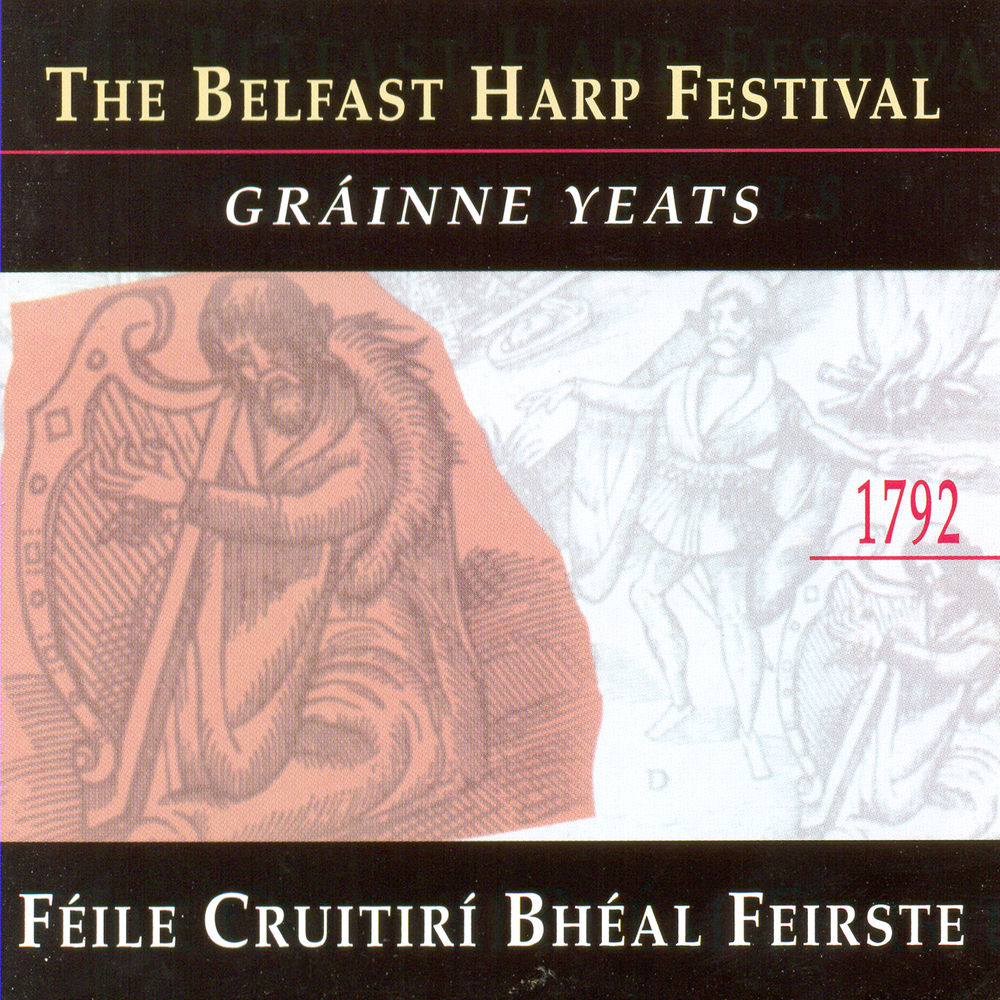
Gráinne Yeats
Gráinne Yeats: The Voice of Irish Folk and Harp
Gráinne Yeats was an Irish folk singer and harpist celebrated for her meticulous revival of traditional Irish song and her mastery of the wire-strung cláirseach. Hailing from Dublin, her career was defined by a series of influential albums in the 1970s and her scholarly dedication to the historical performance of Irish harp music.
Early career
Born in 1925 in Dublin, Gráinne Yeats (née Ni hEigeartaigh) developed an early passion for Irish language and music. Her formal musical journey began with classical harp studies at the Royal Irish Academy of Music, but she soon turned her focus to the traditional wire-strung harp, an instrument she would help bring back from obscurity.
Her first major step into the public sphere came through collaboration with her husband, the poet and broadcaster Michael Yeats. This led to her debut album, "Yeats and the Irish Harp," released in 1973 on the Outlet label, which established her signature blend of spoken word and harp accompaniment.
Breakthrough
Gráinne Yeats's breakthrough as a definitive folk artist arrived with her 1975 album, "The Belfast Harp Festival," released on the prestigious Topic Records label. This album was not merely a collection of songs but a profound historical reconstruction of the 1792 harp repertoire, earning critical acclaim for its authenticity and artistry within the folk revival scene.
It cemented her reputation as a preeminent researcher-performer. While not a chart-focused artist, her work achieved a form of industry certification through enduring sales in specialist folk circles and continuous reissues, a testament to its lasting importance.
Key tracks
The Dear Irish Boy — This haunting air, featured on "The Belfast Harp Festival," showcases Yeats's pure vocal delivery and intricate harp phrasing, becoming a signature piece.
Planxty George Brabazon — Her recording of this classic Turlough O'Carolan composition highlights her technical command and deep understanding of the harper-composer's baroque-influenced style.
An Raibh Tú ag an gCarraig? — This beloved Irish song exemplifies her ability to connect emotionally with a timeless melody, making it accessible to a modern audience.
The Lament for Owen Roe O'Neill — A powerful display of the wire-strung harp's evocative, bell-like tones in a traditional lament format.
Following these key recordings, Gráinne Yeats continued to record and perform, releasing albums like "The Irish Harp" in 1977. She collaborated with other pillars of the Irish folk scene, including singer and historian Paddy Moloney of The Chieftains, further bridging the gap between academic study and living performance.
Her life's work extended beyond the stage and studio into lecturing and writing, ensuring the techniques and repertoire of the ancient Irish harp were preserved for future generations. The artist Gráinne Yeats remained a respected and influential figure in traditional music until her passing in 2013.
Fans of Gráinne Yeats's authentic and historically-informed approach to Irish folk may also appreciate the work of Máire Ní Chathasaigh, an innovative harper who also blends deep tradition with contemporary flair. The vocal purity of Tríona Ní Dhomhnaill shares a similar rooted, ethereal quality. For those drawn to the scholarly revival of harp music, the recordings of Ann Heyman offer a compelling parallel. The ensemble sound of The Chieftains, with whom she had connections, represents the broader canvas of the Irish traditional revival she helped shape.
Grainne Yeats's music maintains a steady presence on radio stations dedicated to folk traditions and Celtic sounds. Her recordings are staples on public radio folk programs, specialist online streams focusing on acoustic heritage, and independent music stations that champion historical and world music genres.
Listeners can explore the timeless music of Gráinne Yeats through the
