








Grace Jones: The Iconoclastic Force of Disco and New Wave
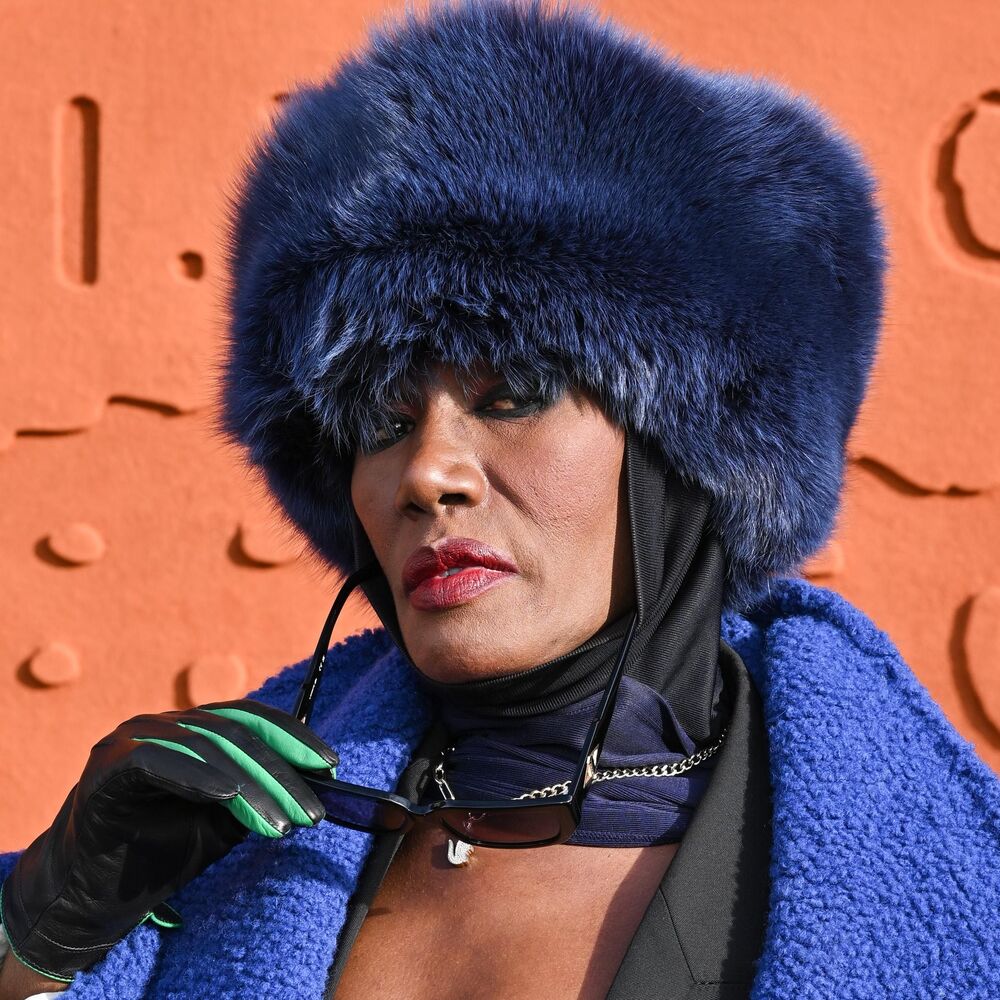
Grace Jones is a Jamaican-born singer, songwriter, and model whose career has defied categorization across decades. Her unique fusion of disco, funk, and new wave, combined with a formidable androgynous persona, has cemented her status as a pioneering figure in music and fashion.
Early career
Born in 1948 in Spanish Town, Jamaica, Grace Jones moved to the United States as a teenager. She first found success as a model in New York and Paris during the 1970s, working with agencies like Wilhelmina and appearing on covers of magazines such as Vogue.
Her recording career began in 1977 with the disco album Portfolio on the Beam Junction label, produced by Tom Moulton. This period established her initial club hits and her early association with the vibrant New York disco scene.
Breakthrough
Jones's artistic breakthrough came with her pivot to a new wave and reggae-inflected sound in the early 1980s. The seminal albums Warm Leatherette (1980) and Nightclubbing (1981), recorded with the Compass Point All-Stars and released on Island Records, redefined her music with a colder, more experimental edge.
These works produced several signature tracks that achieved significant club and critical success, though their chart performance was often stronger in Europe than the US. The look and sound crafted during this era became her lasting legacy.
Key tracks
I Need A Man - An early disco anthem from her debut that established her commanding, dominant vocal persona within the genre.
Pull Up To The Bumper - A funk-infused track from Nightclubbing that became a massive club hit and remains one of her most recognizable songs.
Slave To The Rhythm - The avant-garde title track from her 1985 album, produced by Trevor Horn, showcasing her conceptual art-pop direction.
La Vie en rose - Her striking reggae reinterpretation of the Édith Piaf classic, highlighting her ability to transform well-known material.
Corporate Cannibal - A late-career industrial track from 2008's Hurricane, proving her continued relevance and confrontational style.
Throughout the 1980s and beyond, Grace Jones also built a notable film career, appearing in movies like Conan the Destroyer and the James Bond film A View to a Kill. Her influence extends deeply into the realms of fashion and performance art, inspiring countless artists with her bold, geometric aesthetics and powerful stage presence. Her later albums, including Bulletproof Heart (1989) and the comeback record Hurricane (2008), have been critically acclaimed, reinforcing her reputation as an enduring and fearless innovator.
For fans of Grace Jones's distinctive blend of styles, other pioneering artists exploring similar territories include David Bowie for his constant reinvention and androgynous flair. Neneh Cherry shares a similar fusion of pop, hip-hop, and avant-garde sensibilities. The funk and new wave fusion can also be heard in the work of Talking Heads. Furthermore, the bold theatricality and electronic influence is echoed in the music of Goldfrapp.
Her groundbreaking music continues to be featured on a variety of radio formats, from classic disco and funk stations to alternative and new wave channels that celebrate innovative 80s pop. Online radio streams dedicated to dance music history and iconic album tracks frequently program her influential work.
The music of Grace Jones is available to hear on radio stations featured on our website. Listeners can discover her iconic discography through the stations available on onairium.com.