
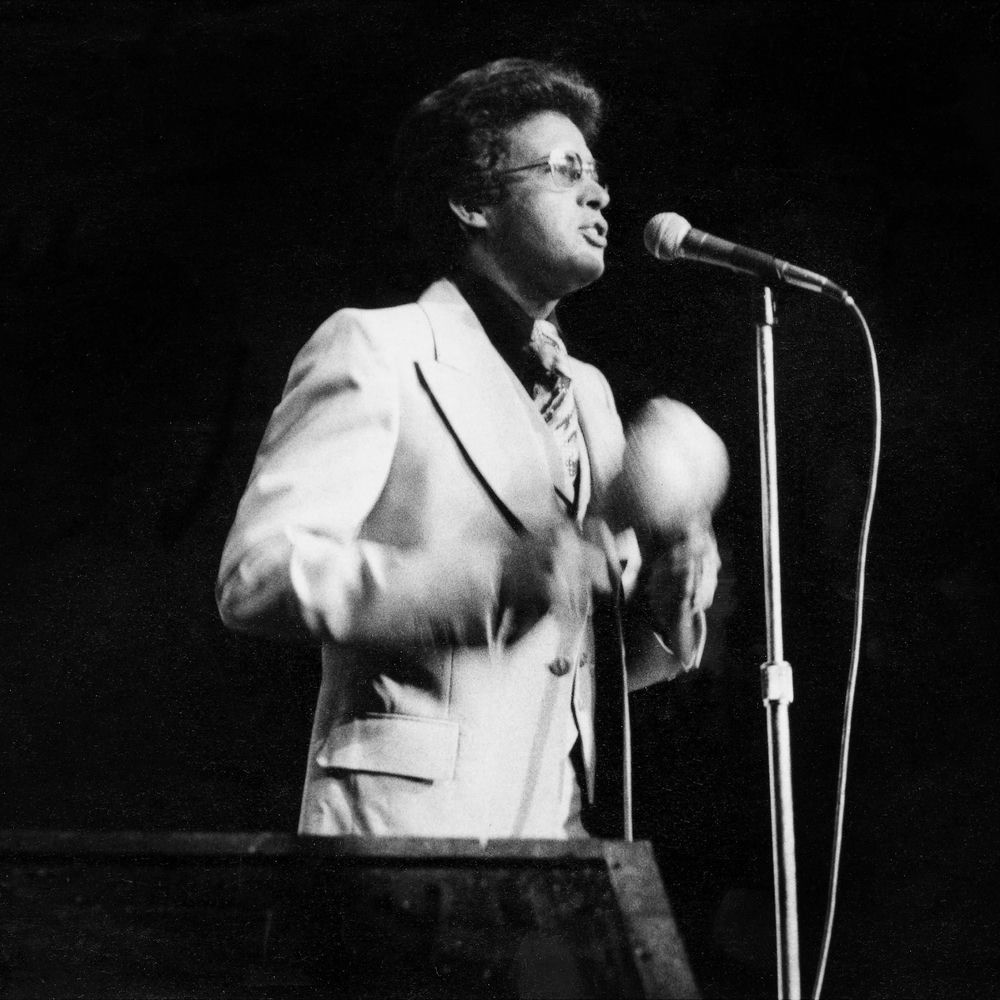
Héctor Lavoe
Listen on radio stations:









Héctor Lavoe: The Voice of Salsa
Héctor Lavoe was a Puerto Rican singer whose emotive voice and charismatic stage presence made him a foundational figure in the salsa genre. His work with the Fania All-Stars and as a solo artist helped popularize salsa music globally, cementing his legacy as "El Cantante de los Cantantes" (The Singer of Singers).
Early Career
Born Héctor Juan Pérez Martínez in 1946 in Ponce, Puerto Rico, he moved to New York City in 1963 to pursue music. His early career involved singing with various Latin bands, but his big break came when he was recruited by bandleader Willie Colón in 1967, a partnership that would redefine the sound of New York salsa.
Breakthrough
The collaboration with Willie Colón proved instantly successful, with their 1968 album El Malo becoming a classic. Lavoe's distinctive, soulful voice paired with Colón's innovative arrangements created a new template for salsa, leading to a string of hit albums for the Fania label throughout the 1970s that dominated Latin charts.
Key Tracks
El Cantante - Written by Rubén Blades, this song became Lavoe's signature anthem, poignantly narrating the life and struggles of a performer.
Aguanile - A powerful, spiritually charged son montuno that showcases Lavoe's vocal intensity and became a live performance staple.
Mi Gente - A celebratory call to his audience that remains an enduring salsa anthem and a highlight of his solo career.
Periódico de Ayer - This bolero-salsa hybrid demonstrates Lavoe's profound ability to convey heartbreak and nostalgia.
Launching his solo career in the mid-1970s while remaining a pivotal member of the Fania All-Stars, Lavoe achieved commercial peaks with albums like De Ti Depende and Comedia. Despite battling personal tragedies and health issues, his influence never waned, and his music continued to resonate deeply within the Latin community. His life story, marked by both triumphant artistry and profound hardship, has been the subject of major films and documentaries.
Fans of Héctor Lavoe's authentic salsa sound often appreciate the work of other Fania label legends. The sophisticated narratives of Rubén Blades defined the salsa intelectual movement. The explosive trumpet and vocals of Willie Colón were integral to Lavoe's early success. The smooth, romantic style of Gilberto Santa Rosa carries on the tradition of great Puerto Rican soneros.
The music of Héctor Lavoe remains a vital part of Latin music programming, heard on stations dedicated to classic salsa, tropical rhythms, and timeless Latin classics. His recordings continue to introduce new generations to the golden age of New York salsa.
Listeners can explore the enduring catalog of Héctor Lavoe through radio stations that celebrate the rich history of salsa music and its most iconic voices.