
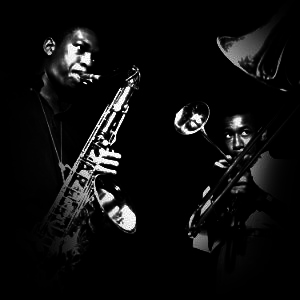
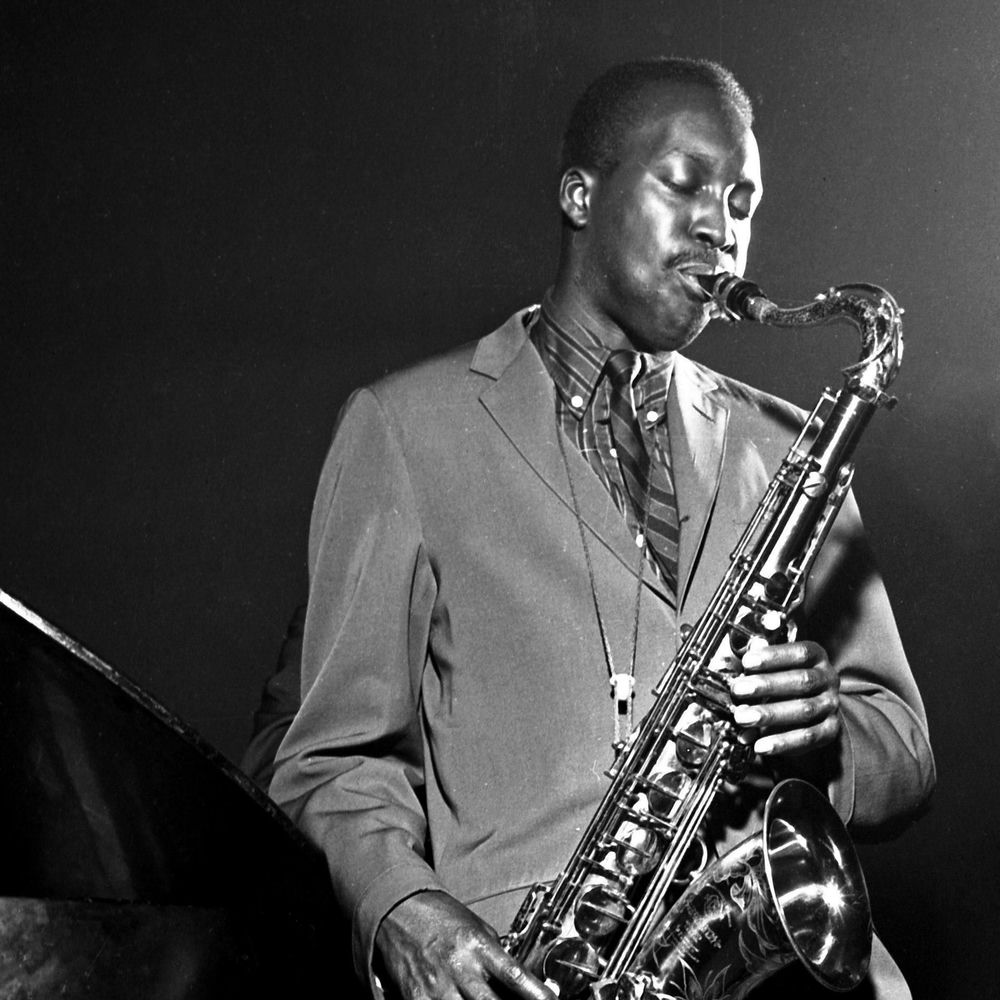
Hank Mobley: The Understated Tenor Saxophone Titan of Hard Bop
Hank Mobley was an American jazz tenor saxophonist and composer, a central figure in the hard bop and soul jazz movements of the 1950s and 1960s. Hailing from Eastman, Georgia, and raised in Newark, New Jersey, his primary achievement lies in his prolific output of over twenty albums as a leader for the legendary Blue Note label, cementing his status as a foundational artist in the genre's history.
Early career
Born in 1930, Hank Mobley began his professional journey in the early 1950s, playing with rhythm and blues bands before his big break came in 1954. He joined the groundbreaking jazz ensemble led by pianist Horace Silver and drummer Art Blakey, which soon crystallized into the iconic Jazz Messengers, a definitive hard bop training ground.
Breakthrough
Mobley's true breakthrough as a recording artist in his own right came with his signing to Blue Note Records, beginning with the 1955 album Hank Mobley Quartet. His prolific period from 1955 to 1970 yielded a remarkable string of albums for the label, including the critically acclaimed Soul Station in 1960, which, while not a major chart success, is widely regarded as his masterpiece and a quintessential hard bop recording.
Key tracks
This I Dig of You — This track from Soul Station perfectly encapsulates Mobley's soulful, lyrical improvisational style and his compositional strength.
Remember — A standout ballad performance that highlights the warm, rounded tone and melodic ingenuity that defined Hank Mobley's sound.
No Room for Squares — The title track from a 1963 album shows Mobley adeptly navigating a more modern post-bop landscape with a younger rhythm section.
Workout — An uptempo blues from the 1961 album of the same name, showcasing his ability to craft intricate, swinging lines at faster paces.
Peckin' Time — A collaborative album title track with trumpeter Lee Morgan, exemplifying the tight, frontline chemistry prevalent in Blue Note's hard bop era.
Throughout the 1960s, Hank Mobley remained a Blue Note workhorse, recording classic sessions like Roll Call and Dippin'. His compositions became staples for the label's ensembles, and he collaborated extensively with giants like Lee Morgan, Wynton Kelly, and Philly Joe Jones. A brief and challenging stint replacing John Coltrane in the Miles Davis Quintet in 1961, though short-lived, placed him at the epicenter of jazz's evolution.
Artists with a similar lyrical and soulful approach to the tenor saxophone within the hard bop tradition include Sonny Rollins, known for his thematic improvisation and robust sound. Stanley Turrentine also explored soulful, blues-drenched territory on the tenor. Lee Morgan, a frequent Mobley collaborator, shared his Blue Note pedigree and hard bop brilliance on trumpet. For a different but related pianistic angle, Horace Silver, his Jazz Messengers co-founder, defined the funky, gospel-tinged side of the genre.
The music of Hank Mobley remains a staple on dedicated jazz radio stations, particularly those focusing on classic hard bop and the historic Blue Note catalog. Listeners can regularly hear his timeless recordings on specialty FM jazz programs and online radio streams devoted to America's classical music.
Explore the rich legacy of Hank Mobley's hard bop and soul jazz by tuning into the radio stations featured on onairium.com, where his essential albums and signature saxophone sound are regularly in rotation for both new listeners and longtime jazz aficionados.