Harmonium
Type: Group
 Africa
Africa
Listen on radio stations:
Harmonium: The Pioneers of Quebecois Progressive Folk
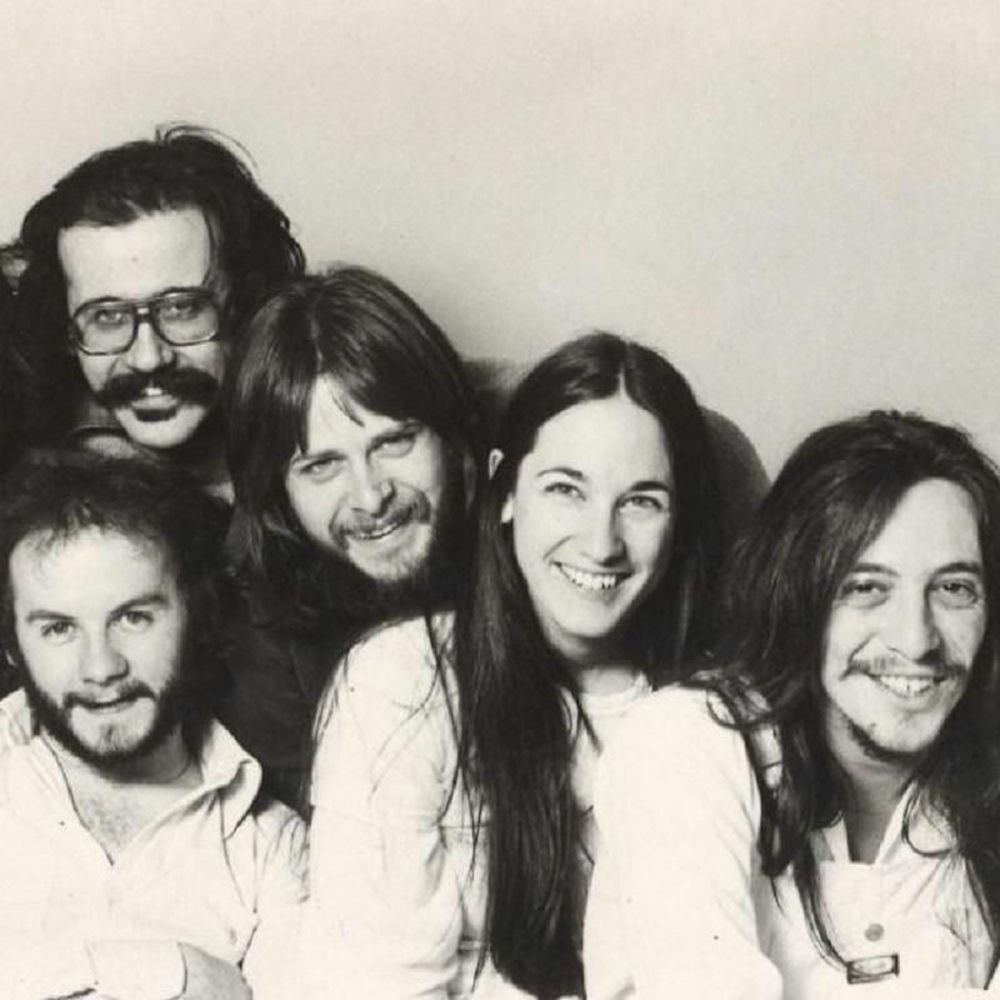
Harmonium is a seminal progressive folk-rock group from Quebec, Canada, celebrated for their intricate compositions and poetic French-language lyrics. Formed in the early 1970s, the band created a uniquely Québécois sound that blended acoustic folk traditions with ambitious rock arrangements, achieving significant commercial success and enduring critical acclaim within their home province and beyond.
Early Career
The band was formed in 1972 in Montreal by singer-songwriter and guitarist Serge Fiori and bassist Louis Valois. They were soon joined by guitarist Michel Normandeau, and this core trio began crafting a sophisticated folk sound that resonated deeply with the cultural and political awakening of Quebec in the 1970s. Their self-titled debut album, Harmonium, was released in 1974 and was a surprise hit, selling over 25,000 copies in its first year and establishing the group as fresh voices in the Quebec music scene.
Breakthrough
Harmonium's artistic and commercial breakthrough came with their second album, 1975's Si on avait besoin d'une cinquième saison (If We Needed a Fifth Season). This concept album, structured like a symphony in five movements representing seasons and a hypothetical fifth, showcased a dramatic expansion in their musical scope, incorporating mellotron, flute, and complex vocal harmonies. The album was certified platinum in Canada, solidifying the band's status and allowing them to perform at major venues like the Montreal Forum.
Key Tracks
Pour un instant - The lead single from their debut that became an immediate radio hit in Quebec, introducing their harmonic, acoustic-driven sound.
Histoire sans paroles - A central, largely instrumental piece from "Si on avait besoin d'une cinquième saison" that epitomizes the band's shift into progressive, symphonic folk-rock.
Dixie - A track from their later work that demonstrates their evolving, more jazz-influenced and orchestral arrangements.
En pleine face - A powerful song reflecting the more direct and rock-oriented energy the band could harness in a live setting.
Building on this success, Harmonium embarked on their most ambitious project: the 1976 double album L'Heptade. This sprawling work, featuring a larger band and collaborations with members of the progressive group Maneige, is often considered their masterpiece. It explored psychological and spiritual themes across seven suites, pushing their progressive folk-rock to its zenith. The album was another major success, though it marked the end of the band's most prolific period as members began to pursue other projects.
The legacy of Harmonium is profound within Canadian music. Their albums remain benchmarks of Quebec's cultural output in the 1970s, and their influence is heard in generations of Francophone and Canadian artists who blend folk storytelling with progressive musicality. The band's music continues to be discovered by new audiences interested in the rich history of folk-rock and progressive rock.
Artists exploring a similar blend of folk introspection and progressive rock ambition include fellow Quebec group Beau Dommage, the more rock-oriented Offenbach, and the inventive progressive ensemble Maneige. The acoustic-driven storytelling of Robert Charlebois from an earlier generation also shares a cultural lineage with Harmonium's work.
Similar artists