Harry Roy and His Orchestra
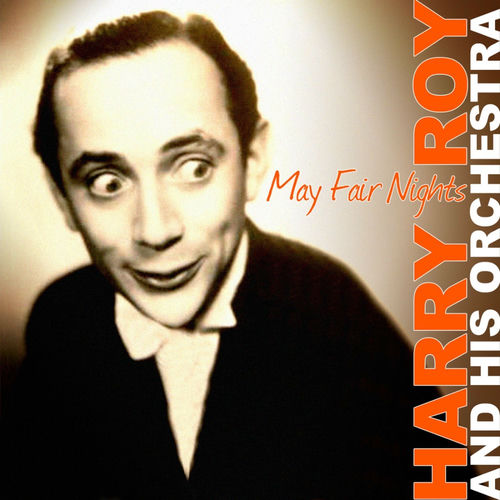
Harry Roy and His Orchestra: The British Dance Band Maestro
Harry Roy was a leading British bandleader and clarinetist who defined the sound of sophisticated dance music in the 1930s. Hailing from London, England, his orchestra achieved immense popularity through hit records, radio broadcasts, and film appearances, becoming one of the UK's top attractions in the pre-war dance band era.
Early career
Born Henry Roy Lipman in 1900, he began his musical career playing clarinet and saxophone in his father's restaurant band. He formed his first professional group, the Darnswells, in the early 1920s, quickly transitioning to the vibrant London hotel and club scene where dance bands were in high demand.
Breakthrough
Harry Roy and His Orchestra's major breakthrough came after signing with the Parlophone record label in the early 1930s. Their energetic and often humorous style, coupled with frequent BBC radio broadcasts, propelled them to national fame, with records like "Bugle Call Rag" and "My Girl's Pussy" becoming substantial sellers.
Key tracks
Bugle Call Rag — This frantic instrumental became one of the band's signature tunes, showcasing their tight, driving rhythm section and Roy's own spirited clarinet work.
My Girl's Pussy — A novelty song with a risque title for its time, it was a huge commercial hit in 1931 and demonstrated Roy's knack for crowd-pleasing, lighthearted material.
You Oughta See Sally On Sunday — Another major hit from 1931, this vocal number featured the popular singing of Roy's wife, Elizabeth, and solidified the band's chart dominance.
The Toy Trumpet — A later hit from 1937, this track highlighted the orchestra's precise, melodic style and continued success in adapting contemporary tunes for the dance floor.
The orchestra's success led to starring roles in British musical films like "Everything Is Rhythm" (1936). Roy maintained a high profile through the late 1930s, often featuring his "Tiger Ragamuffins" small group within the larger orchestra for hotter jazz numbers.
After World War II, Roy reformed his band and continued performing, though the big band era had largely passed. He remained a respected figure in British light entertainment until his death in 1971, leaving behind a vast catalog of recordings that capture the exuberance of interwar British dance music.
Fans of the crisp, melodic style of Harry Roy and His Orchestra should also explore the work of Ambrose, whose orchestra was a direct and elegant competitor in London's top hotels. Lew Stone led another seminal British dance band known for its sophisticated arrangements. For a touch more jazz influence, the recordings of Ray Noble are essential, while Jack Hylton commanded a similarly popular and prolific orchestra during the same period.
The timeless swing of Harry Roy and His Orchestra remains a staple on dedicated vintage radio stations, particularly those focusing on classic jazz and dance band eras. Their recordings are frequently featured on specialist programs that celebrate the golden age of British light music and big band sounds.
Listeners can discover the vibrant music of Harry Roy and His Orchestra on the classic jazz and nostalgia-themed radio stations available through onairium.com, where the spirit of the 1930s dance hall continues to play.