
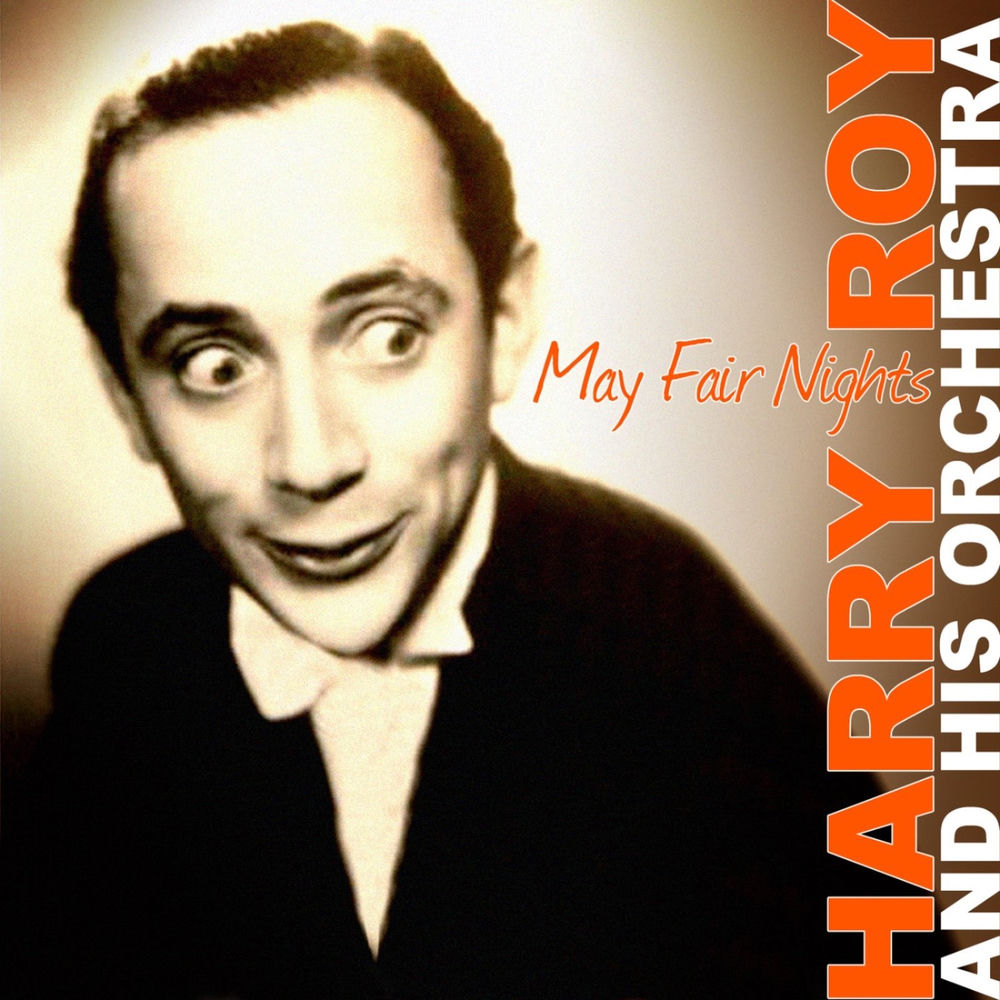
Harry Roy and His Orchestra
Harry Roy and His Orchestra: The British Dance Band Maestro
Harry Roy was a leading British bandleader and clarinetist who defined the sound of sophisticated dance music in the 1930s. Hailing from London, England, his orchestra achieved immense popularity with a string of hit records and a dynamic stage presence that captivated audiences on both sides of the Atlantic.
Early career
Born Henry Roy Lipman in 1900, he began his musical journey performing with his father's band before forming his first group, The Darnswells, in the early 1920s. His professional break came when he and his brother Sidney joined the legendary Bert Ralton's Savoy Havana Band, an experience that honed his skills before he launched his own ensemble.
Breakthrough
Harry Roy and His Orchestra's major breakthrough occurred in the early 1930s following a prestigious residency at London's Café de Paris. Signing with the Regal Zonophone label, the band scored a massive hit with Bugle Call Rag in 1933, a record that sold exceptionally well and cemented their status as stars of the British dance band scene.
Key tracks
Bugle Call Rag — This energetic instrumental became the band's signature tune and a definitive hit of the era.
My Girl's Pussy — A controversial but hugely popular novelty number that demonstrated Roy's flair for cheeky, crowd-pleasing material.
I'm Going to Write a Song — A fine example of the band's polished vocal recordings, featuring singer Lizbeth Webb.
The Music Goes 'Round and Around — The band's successful take on this American novelty hit showcased their versatility and tight musicianship.
Let's Have a Tiddley at the Milk Bar — This wartime recording captured the spirit of the times and remained a staple in their repertoire.
The orchestra's success led to frequent BBC radio broadcasts, film appearances, and tours, including a notable stint in the United States. Roy's flamboyant personality and the band's crisp, jazzy arrangements kept them at the forefront of popular music throughout the decade, recording for labels like Parlophone and Columbia.
While the big band era waned after World War II, Harry Roy continued to perform and record with various line-ups. His influence on the British dance band genre remains significant, with his recordings capturing the exuberant mood of pre-war Britain. For fans of the style, similar artists from the same period include Ambrose, whose orchestra was another pillar of the UK hotel and radio scene. The sophisticated sound of Ray Noble also provides a comparable listening experience, known for its elegant arrangements. Listeners might also enjoy the work of Lew Stone, a contemporary bandleader who similarly blended dance rhythms with jazz-inflected solos.
The vibrant music of Harry Roy and His Orchestra maintains a regular presence on classic swing and nostalgia radio stations featured on this website. These dedicated channels, often specializing in early 20th century popular music, keep the band's spirited recordings in rotation for both longtime enthusiasts and new listeners discovering the era.
You can hear the timeless dance rhythms of Harry Roy and His Orchestra on various radio stations available through onairium.com. Tune in to explore his catalog and experience the sound that made his orchestra a dominant force in British entertainment history.
