Hayedeh
Type: Person
 Côte d'Ivoire
Côte d'Ivoire
Listen on radio stations:
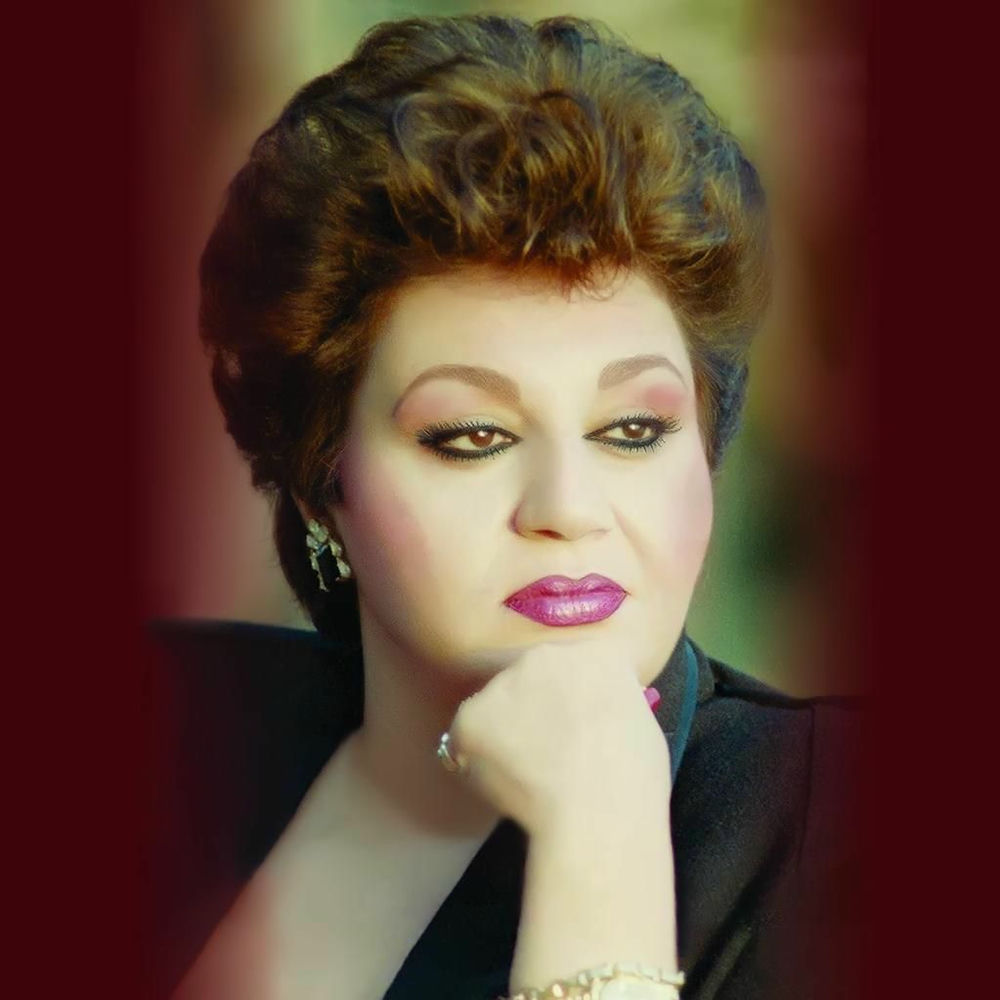
Hayedeh: The Iconic Voice of Persian Pop
Hayedeh was a preeminent Iranian vocalist whose powerful contralto voice defined a generation of Persian pop music. Born in Tehran, she rose to become one of the most celebrated singers in Iran before the 1979 Revolution, known for her emotionally charged performances and sophisticated musical arrangements. Her vast discography, including iconic songs like "Didar" and "Soghati," continues to resonate deeply with audiences worldwide, cementing her legacy as a true legend of Iranian music.
Early Career
Hayedeh, born Ma'soumeh Dadehbala in 1942 in Tehran, began her musical journey by studying under the esteemed master of Persian classical music, Abdollah Davami. Her professional career launched in the 1960s, and she quickly gained attention for her technical skill and unique vocal tone. Early recordings established her within the thriving pre-revolution Iranian music scene, setting the stage for her subsequent rise to national fame.
Breakthrough
Hayedeh's breakthrough came in the 1970s as she became a central figure in the modern Persian pop genre, often working with legendary composer and violinist Varoujan. Her collaborations with prominent songwriters like Farid Zoland produced a string of major hits. While specific Western chart data is not applicable, her records achieved immense commercial success and cultural penetration within Iran and the wider Persian-speaking world, with her albums and singles receiving what would be considered gold and platinum status by regional standards.
Key Tracks
Didar - This romantic ballad, composed by Varoujan, stands as one of her signature songs, showcasing her ability to convey profound longing and passion.
Soghati - A poignant and enduring classic, this song remains a staple at Iranian gatherings, illustrating her deep connection with the diaspora.
Naz-e Man - This track highlights her mastery of the classical Persian vocal tradition within a contemporary pop framework.
Pariya - An example of her dynamic range, this song features a more upbeat arrangement while maintaining her characteristic emotional depth.
Gole Sangam - Another major hit that solidified her status, demonstrating her consistent collaboration with top-tier composers of the era.
Following the Iranian Revolution in 1979, Hayedeh, like many artists, continued her career in exile, primarily based in Los Angeles within the vibrant Iranian expatriate community. She continued to record and perform tirelessly, releasing music that comforted and connected a dispersed population. Her output in the 1980s, including celebrated works with composer Anoushirvan Rohani, maintained her high artistic standards and kept her voice at the forefront of Persian pop music until her untimely passing in 1990. The music of Hayedeh is characterized by its fusion of traditional Persian melodic modes (dastgah) with orchestral pop arrangements, often featuring the violin and the santur. Her legacy is carried on through constant radio play, digital streaming, and her indelible influence on subsequent generations of Persian singers, both male and female. Hayedeh's recordings are considered essential listening for anyone exploring the rich landscape of Iranian popular music.
Listeners who appreciate the music of Hayedeh often also enjoy the works of other foundational Persian pop artists from the same era. The passionate ballads of Googoosh share a similar cultural impact and vocal prowess. The classical-infused pop style of Dariush offers a comparable masculine counterpart in artistry and popularity. The emotive delivery and exile anthems of Ebi resonate with the same audience. Furthermore, the sophisticated musical compositions supporting Mahasti place her in a similar league of iconic female vocalists from that golden age of Iranian music.
Similar artists