Heinrich Schütz: The Foundational Composer of German Baroque Music
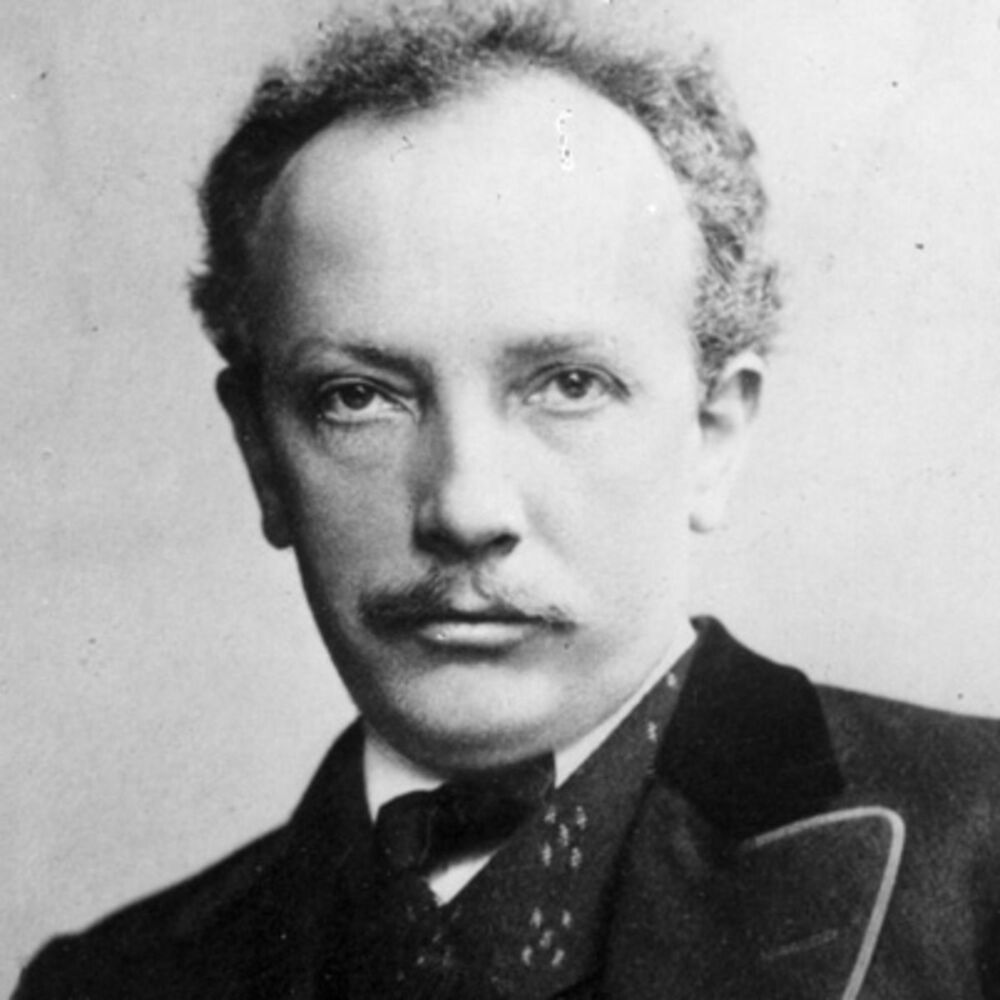
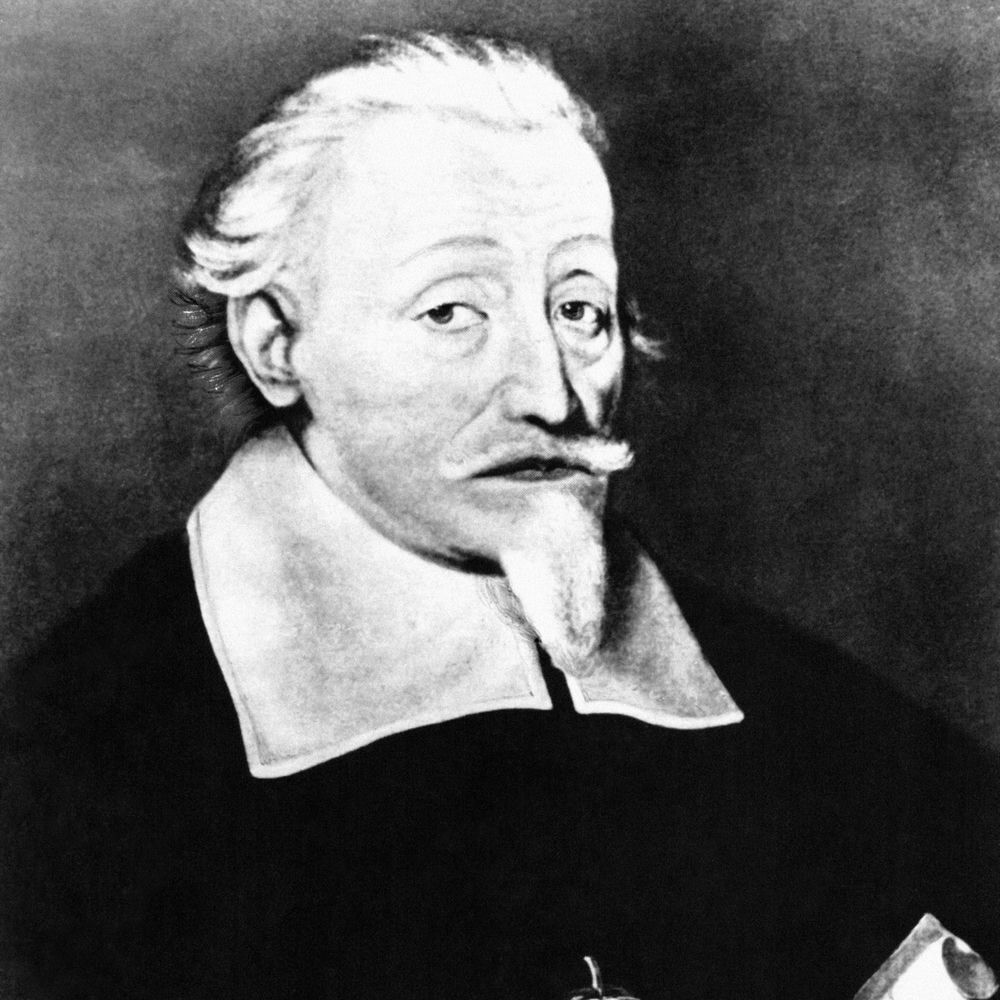
Heinrich Schütz is the pivotal German composer who bridged the Renaissance and Baroque eras. Hailing from Köstritz, his profound output, particularly the sacred collection Psalmen Davids, established the very sound of German music for generations.
Early career
Born in 1585, Schütz's musical talent was recognized early by Landgrave Moritz of Hesse-Kassel, who became his first major patron. After initial studies in Germany, a crucial period in Venice from 1609 under Giovanni Gabrieli exposed him to the most advanced Italian styles, which he would masterfully adapt.
Breakthrough
His official appointment as Kapellmeister to the Electoral Court in Dresden in 1617 marked his ascent to the premier musical position in Germany. His first major publication, the Psalmen Davids in 1619, showcased his synthesis of Italian polychoral splendor with German text, instantly defining his reputation.
Key tracks
Saul, Saul, was verfolgst du mich — This dramatic sacred concerto from the Symphoniae Sacrae is a masterclass in vivid textual illustration and emotional intensity.
Die sieben Worte Jesu Christi am Kreuz — A deeply moving, intimate setting of Christ's last words, highlighting Schütz's ability to convey profound spirituality with minimal forces.
Musikalische Exequien — Commissioned as a funeral service, this work stands as one of the first German requiems and a monumental achievement in sacred music composition.
Es steh Gott auf from the Psalmen Davids — A brilliant example of his early polychoral style, using multiple choirs and instruments for majestic, spatial effect.
O quam tu pulchra es — This piece from the Cantiones Sacrae demonstrates his exquisite handling of smaller-scale, penitential motets.
Schütz's later career was shaped by the turmoil of the Thirty Years' War, which forced a shift towards more intimate, economical forces, leading to masterpieces like the Kleine geistliche Konzerte. His final works, such as the three Passions, stripped away instruments entirely, focusing purely on the dramatic power of the sung biblical narrative.
His influence is heard in the works of later German masters. Explore similar foundational Baroque composers from the region: Johann Sebastian Bach directly built upon Schütz's sacred music foundations. Georg Philipp Telemann continued the evolution of German Baroque composition. Dietrich Buxtehude represents the generation bridging Schütz and Bach with his organ and vocal works.
The music of Heinrich Schütz holds a permanent place in the rotation of classical radio stations, especially those dedicated to early music and the Baroque genre. His major works are featured on specialist programs exploring sacred music and the evolution of classical forms.
Listeners can discover the foundational sound of German Baroque music by Heinrich Schütz on the classical and early music radio stations featured on onairium.com, where his sacred concertos and passions are regularly programmed.