
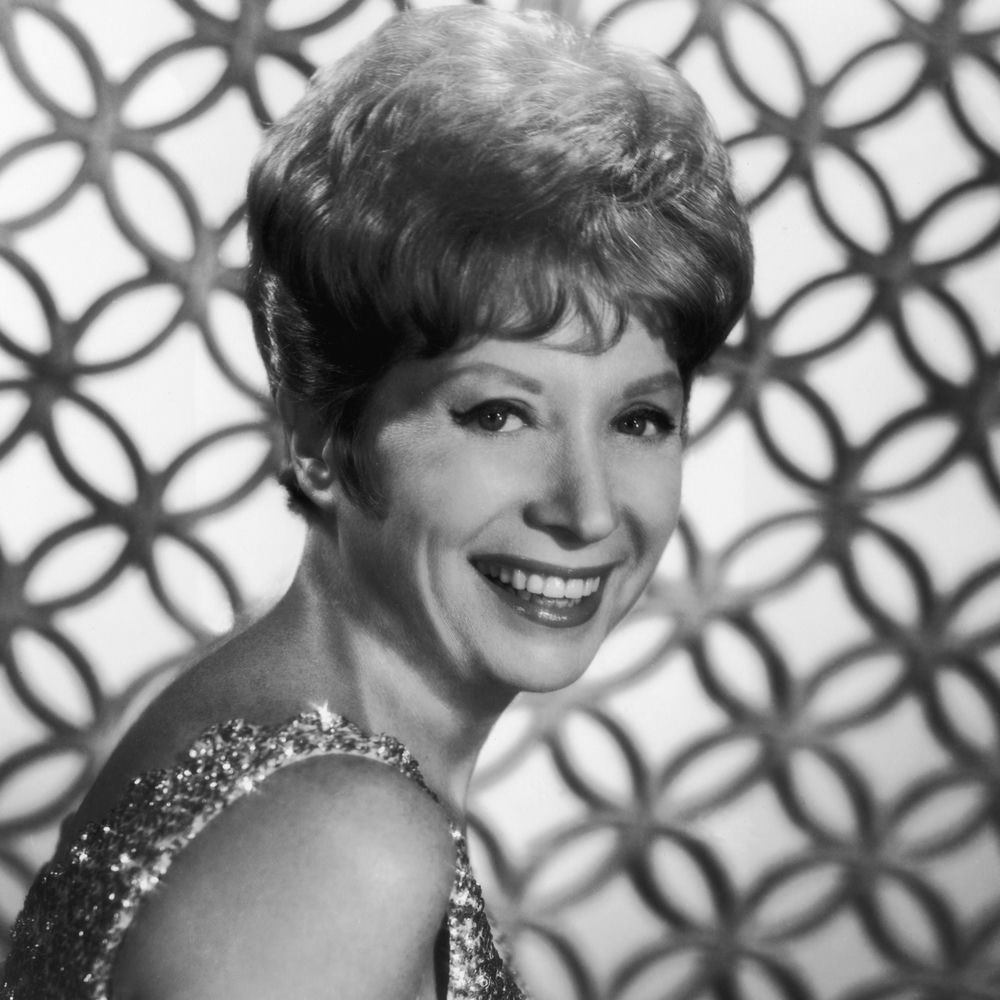
Helen Forrest: The Voice of the Big Band Era
Helen Forrest was a premier American big band vocalist whose crystal-clear voice defined the swing era. Her success came through legendary collaborations, most notably as the featured singer for the bands of Artie Shaw, Benny Goodman, and Harry James.
Early career
Born in 1917 in Atlantic City, New Jersey, Helen Forrest began singing on radio shows in New York City as a teenager. Her professional break arrived in 1938 when she joined Artie Shaw's orchestra, replacing Billie Holiday and quickly gaining attention for her smooth, articulate phrasing.
Breakthrough
Forrest's national fame solidified during her tenure with Benny Goodman's orchestra from 1939 to 1941. Recording hits like "The Man I Love," she became a central figure in the most popular band of the era. Her subsequent move to Harry James's band in 1941 produced her most enduring commercial successes, including multiple chart-toppers.
Key tracks
I Had the Craziest Dream — This 1942 hit with Harry James topped the Billboard charts and became her signature song, showcasing her romantic delivery.
I've Heard That Song Before — Another number-one hit from 1942, this recording with Harry James sold over a million copies and remains a standard.
The Man I Love — Her 1939 recording with Benny Goodman is a classic example of her early, influential big band work.
I Don't Want to Walk Without You — This poignant 1942 ballad with Harry James was a major wartime hit and demonstrated her emotional depth.
Forrest embarked on a solo career after leaving Harry James in 1943, recording for labels like Decca and Capitol. While the big band era waned, she remained a popular nightclub and television performer for decades, occasionally reuniting with bandleaders for special concerts and recordings.
Fans of Helen Forrest's timeless vocal style and connection to the great American songbook also enjoy the work of similar artists from the same era. Margaret Whiting possessed a similarly clear and expressive style popular in the 1940s. Jo Stafford shared Forrest's technical precision and success across pop and traditional pop genres. Kay Starr transitioned from big bands to major solo success with a vibrant, versatile approach. Doris Day began her career as a big band singer with a wholesome, powerful sound akin to Forrest's.
Helen Forrest's music maintains a strong presence on radio, particularly on stations dedicated to classic American standards, nostalgia formats, and specialized big band programming. Her recordings are staples on playlists that celebrate the golden age of swing and vocal pop.
Listeners can explore the enduring catalog of Helen Forrest on the classic hits and nostalgia radio stations featured on our website. Tune in via onairium.com to hear the voice that soundtracked a generation.
