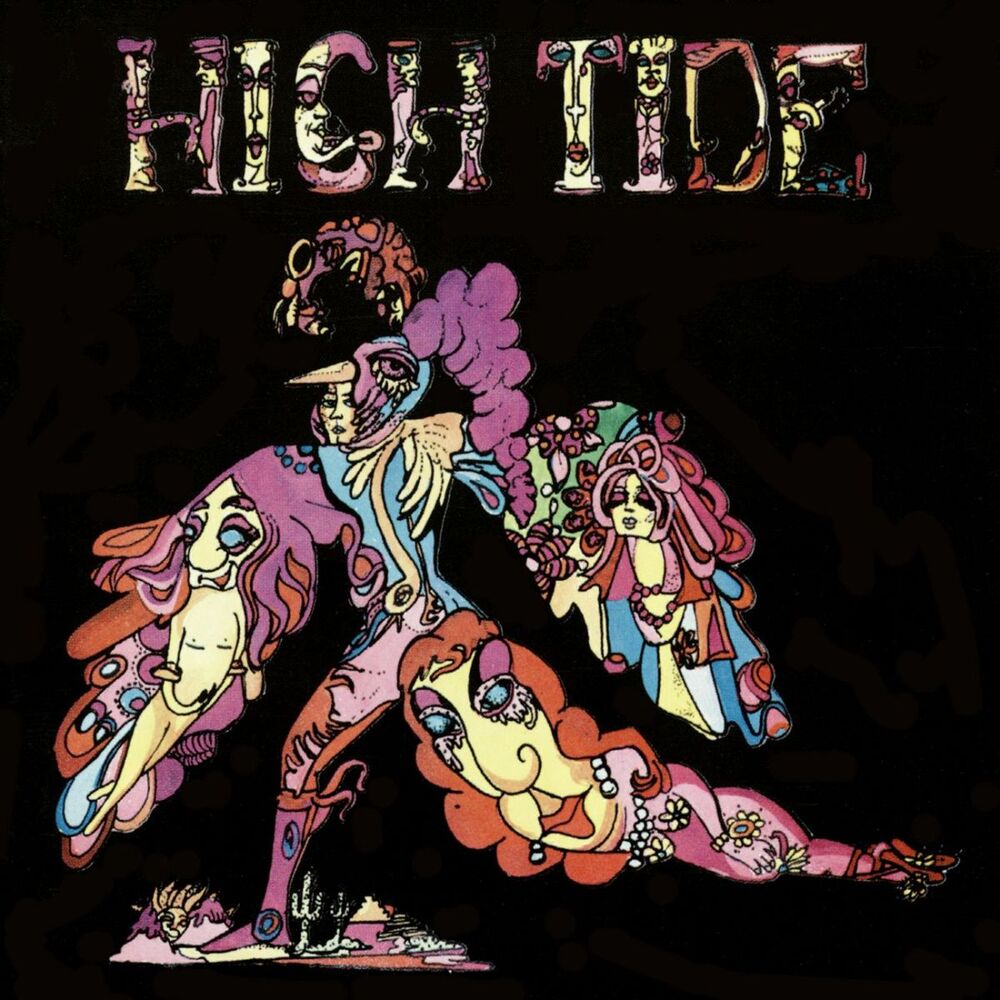
High Tide
Listen on radio stations:
High Tide: Pioneers of English Heavy Psych and Progressive Rock
High Tide was an English rock band that carved a unique niche in the late 1960s and early 1970s by merging heavy, distorted guitar work with complex, violin-driven progressive structures. Emerging from the UK's vibrant underground scene, the group is best known for their influential 1969 debut album, "Sea Shanties," a cult classic that defined their intense and ambitious sound.
Early career
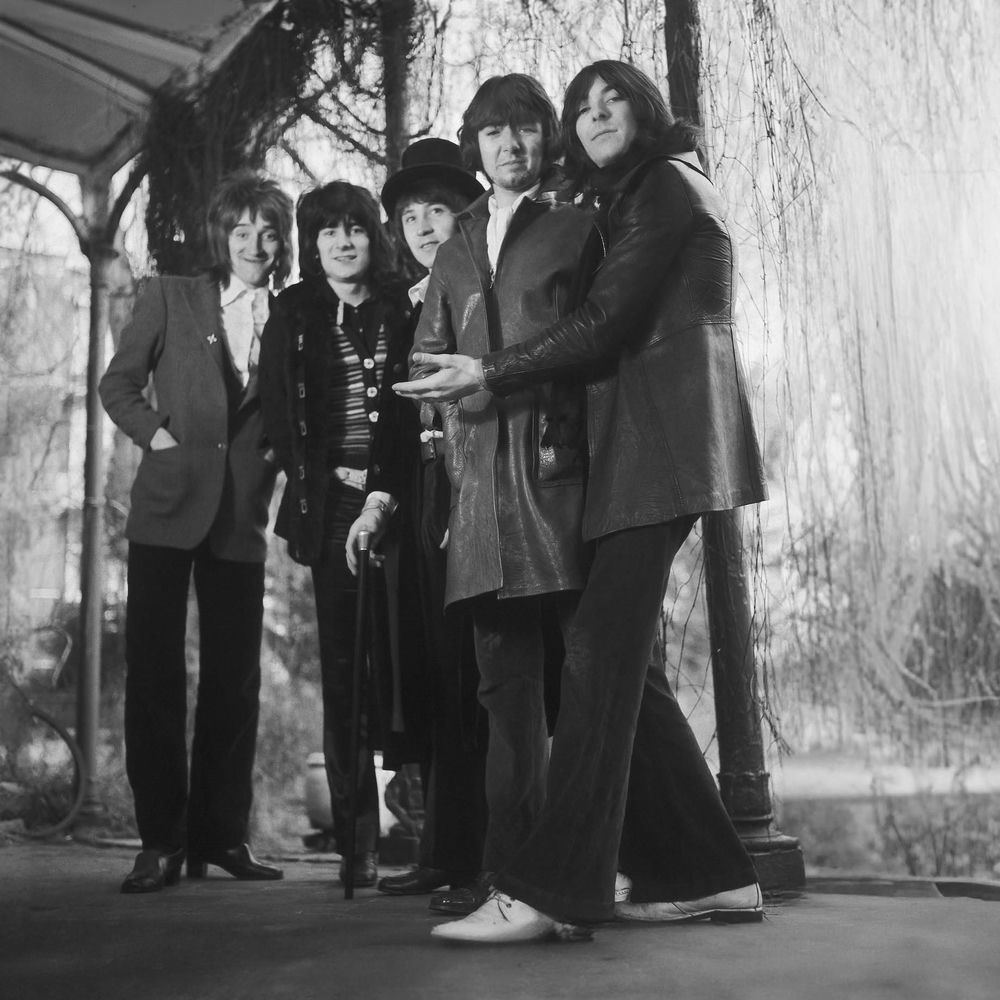
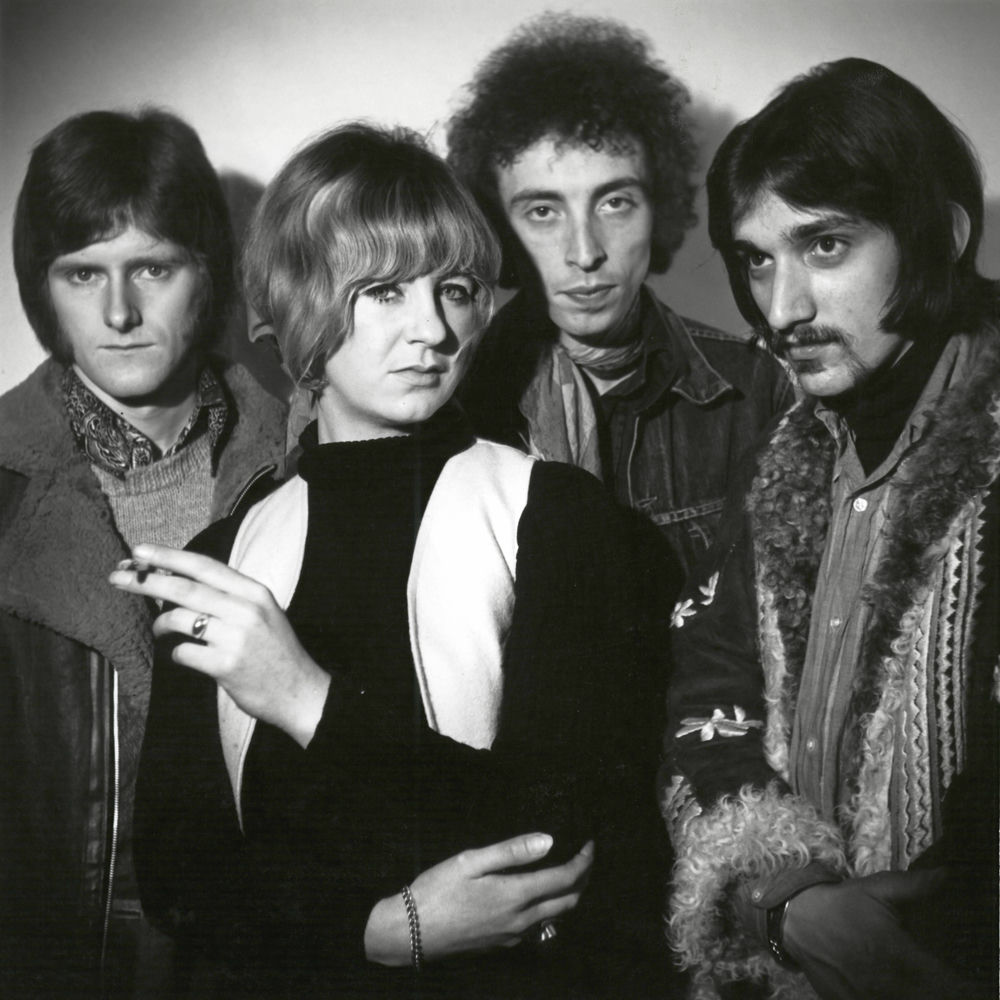
High Tide formed in London in 1969, a product of the era's flourishing psychedelic and progressive rock movements. The core lineup featured guitarist and vocalist Tony Hill, previously of The Misunderstood, violinist Simon House, bassist Peter Pavli, and drummer Roger Hadden. They were quickly signed to the Liberty Records subsidiary, "U.A.," (United Artists) and began recording their first album that same year, aiming to create a heavier, more intricate brand of rock music.
Breakthrough
The band's breakthrough came with the 1969 release of "Sea Shanties." While not a commercial chart success, the album became a landmark for its innovative fusion of Tony Hill's fierce, proto-metal guitar tones and Simon House's soaring, classically-influenced electric violin. This record established High Tide's reputation as a formidable live act within the English heavy psych and progressive rock circuit, earning them a dedicated following among fans of adventurous rock.
Key tracks
Futilist's Lament - This opening track from "Sea Shanties" immediately announces the band's powerful sound with its driving rhythm and intertwining guitar and violin melodies.
Death Warmed Up - A definitive example of High Tide's aggressive, jam-oriented style, featuring extended instrumental passages that showcased their technical prowess.
Blankman Cries Again - From their second album, this track highlights the band's development into more complex, compositionally ambitious progressive rock territory.
Following "Sea Shanties," High Tide released their second album, "High Tide," in 1970. This work continued their exploration of dense, layered sound but also faced the challenges of a shifting musical landscape. Internal tensions and commercial pressures led to the band's dissolution in the early 1970s, though their core members, particularly Simon House, would go on to notable work with acts like Hawkwind and David Bowie. Despite a brief and under-the-radar career, High Tide's two albums have endured, rediscovered by subsequent generations as pioneering works of heavy psych and progressive rock.
Fans of High Tide's intense, violin-laced sound may also appreciate the music of other innovative English rock bands from the era such as Hawkwind, who shared a similar space-rock and psychedelic energy. Curved Air also blended rock with classical instrumentation, particularly violin, in a progressive context. The heavy, riff-based approach can be heard in the work of Uriah Heep, another prolific band from the UK's hard rock scene.