
Holland-Dozier-Holland
Listen Holland-Dozier-Holland on radio stations:
Holland-Dozier-Holland: The Architects of Motown Soul
Holland-Dozier-Holland is the legendary American songwriting and production trio responsible for defining the Motown sound. From Detroit, Michigan, the team of Lamont Dozier and brothers Brian and Eddie Holland crafted an unparalleled string of hits that dominated the 1960s charts and sold tens of millions of records worldwide.
Early career
Brian Holland (born 1941), Lamont Dozier (born 1941), and Eddie Holland (born 1939) each pursued individual music careers in Detroit before converging at Motown Records. Brian Holland found early success co-writing "Please Mr. Postman" for The Marvelettes, while Lamont Dozier recorded as an artist and Eddie Holland aimed for a singing career before shifting to lyrics.
Breakthrough
The trio's formal partnership began in 1963, and their breakthrough was immediate and seismic. They provided the smash hit "Where Did Our Love Go" for The Supremes in 1964, launching the group's superstardom and beginning a historic creative run. This success established them as Motown's premier production team, operating out of the famed Studio A known as "Hitsville U.S.A."
Key tracks
Baby Love — This 1964 Supremes single cemented the group's popularity, topping the Billboard Hot 100 and becoming their first UK number-one.
You Can't Hurry Love — A 1966 Supremes classic that exemplifies the trio's sophisticated use of gospel-inspired rhythms and buoyant melodies.
You Keep Me Hangin' On — This 1966 hit for The Supremes showcased a more aggressive, rock-influenced sound and another number-one chart placement.
Reach Out I'll Be There — A dramatic, urgent 1966 number-one for Four Tops, highlighting the team's ability to craft powerful male-led anthems.
How Sweet It Is (To Be Loved By You) — Written for Marvin Gaye in 1964, this song became a soul standard and demonstrated their versatility across Motown's roster.
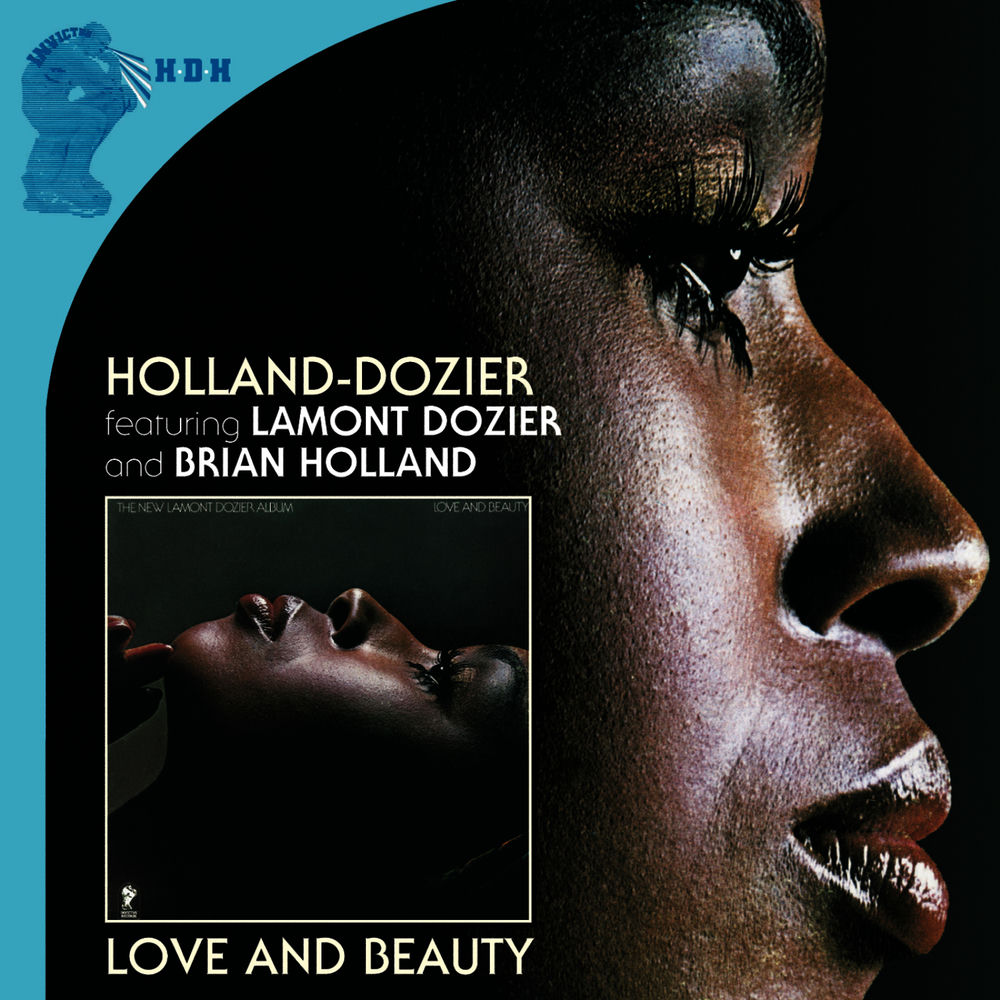
By 1967, Holland-Dozier-Holland was producing nearly all of Motown's major hits, including for Martha and the Vandellas and The Isley Brothers. However, a dispute over royalties and profit sharing led the trio to leave Motown in 1968. They founded their own labels, Invictus and Hot Wax, achieving further success with acts like Freda Payne ("Band of Gold") and Chairmen of the Board.
The influence of Holland-Dozier-Holland is monumental, with their songs generating countless covers and samples across genres. They were inducted into the Rock and Roll Hall of Fame in 1990 and received the Grammy Lifetime Achievement Award in 2015. Their catalog boasts over 70 Top 20 hits on the Billboard Hot 100 chart.
For fans of the classic Motown sound, explore similar foundational artists like Smokey Robinson, a fellow prolific Motown songwriter and performer with a poetic lyrical touch. The energetic soul of Four Tops, who were frequently produced by H-D-H, is essential listening. The sophisticated pop-soul of The Supremes, the trio's primary vehicle for success, defined an era. Also consider the raw power of Marvin Gaye, another Motown icon who benefited from their songwriting genius early in his career.
The timeless music of Holland-Dozier-Holland remains a staple on classic soul and oldies radio stations across the FM dial. Their hits are regularly featured on dedicated Motown and 60s music channels, as well as on general classic hits stations that celebrate pop music history.
You can hear the iconic songs of Holland-Dozier-Holland on the classic soul and Motown radio stations featured right here on onairium.com. Tune in to our curated stations to rediscover the foundational tracks that built the Motown legacy.
