Horace Silver
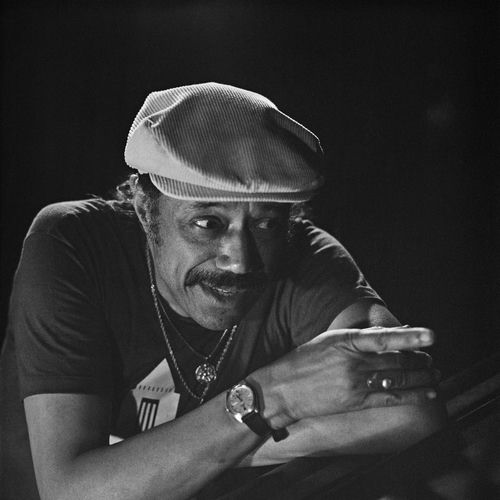
Horace Silver: Architect of Hard Bop
Horace Silver was an American jazz pianist, composer, and bandleader who became a foundational architect of the hard bop genre. His work, characterized by funky, gospel-infused piano rhythms and memorable melodic hooks, produced a catalog of jazz standards that remain essential listening.
Early career
Born in 1928 in Norwalk, Connecticut, Horace Silver began his professional career after being discovered by saxophonist Stan Getz in 1950. This led to his move to New York City, where he quickly became an in-demand sideman, recording with artists like Getz, Lester Young, and Miles Davis before co-founding the original Jazz Messengers with drummer Art Blakey in 1953.
Breakthrough
Silver's definitive breakthrough came with his 1955 album Horace Silver and the Jazz Messengers on Blue Note Records. This record crystallized the hard bop sound, blending bebop complexity with the soulful simplicity of blues and gospel. His subsequent solo career on Blue Note established him as a major force, with albums like Song for My Father achieving remarkable commercial success for an instrumental jazz record.
Key tracks
Song for My Father — The title track from his 1964 album became his most famous composition, renowned for its bossa-nova tinged bass line and indelible melody.
The Preacher — An early hit from 1955, this track perfectly exemplifies Silver's use of gospel call-and-response within a sophisticated jazz framework.
Señor Blues — This 1956 composition is a quintessential hard bop blues, showcasing his talent for crafting catchy, riff-based themes for his quintet.
Filthy McNasty — A funky and humorous track from 1961 that highlights Silver's ability to inject a playful, earthy feel into his sophisticated compositions.
Sister Sadie — Another gospel-fired anthem from 1959, this piece became a jazz standard and a staple of the Blue Note repertoire.
Silver led his quintet for over two decades, releasing a steady stream of influential albums for Blue Note including Blowin' the Blues Away and Cape Verdean Blues. His compositions provided a blueprint for the soul jazz movement of the 1960s. He continued recording and performing until the late 1990s, leaving behind a profound compositional legacy.
For fans of Horace Silver's foundational hard bop and soulful piano style, explore similar artists featured on our site. The blues-drenched trumpet of Lee Morgan was a frequent collaborator in Silver's classic quintet. The sophisticated saxophone and compositional genius of Hank Mobley also graced many Silver sessions. The powerful, gospel-inflected piano of Bobby Timmons follows directly in the soul jazz path Silver helped pave. The lyrical trumpet work and steady groove of Art Farmer represents another branch of the hard bop tree Silver helped grow.
The music of Horace Silver maintains constant rotation on dedicated jazz radio stations, particularly those focusing on classic hard bop, soul jazz, and the historic Blue Note catalog. His timeless tracks are staples on both terrestrial FM jazz stations and curated online jazz radio streams, ensuring new generations discover his funky rhythms.
Listeners can explore the essential hard bop catalog of Horace Silver through the jazz radio stations featured on onairium.com. Tune in to hear his pioneering piano and classic compositions that shaped the sound of modern jazz.