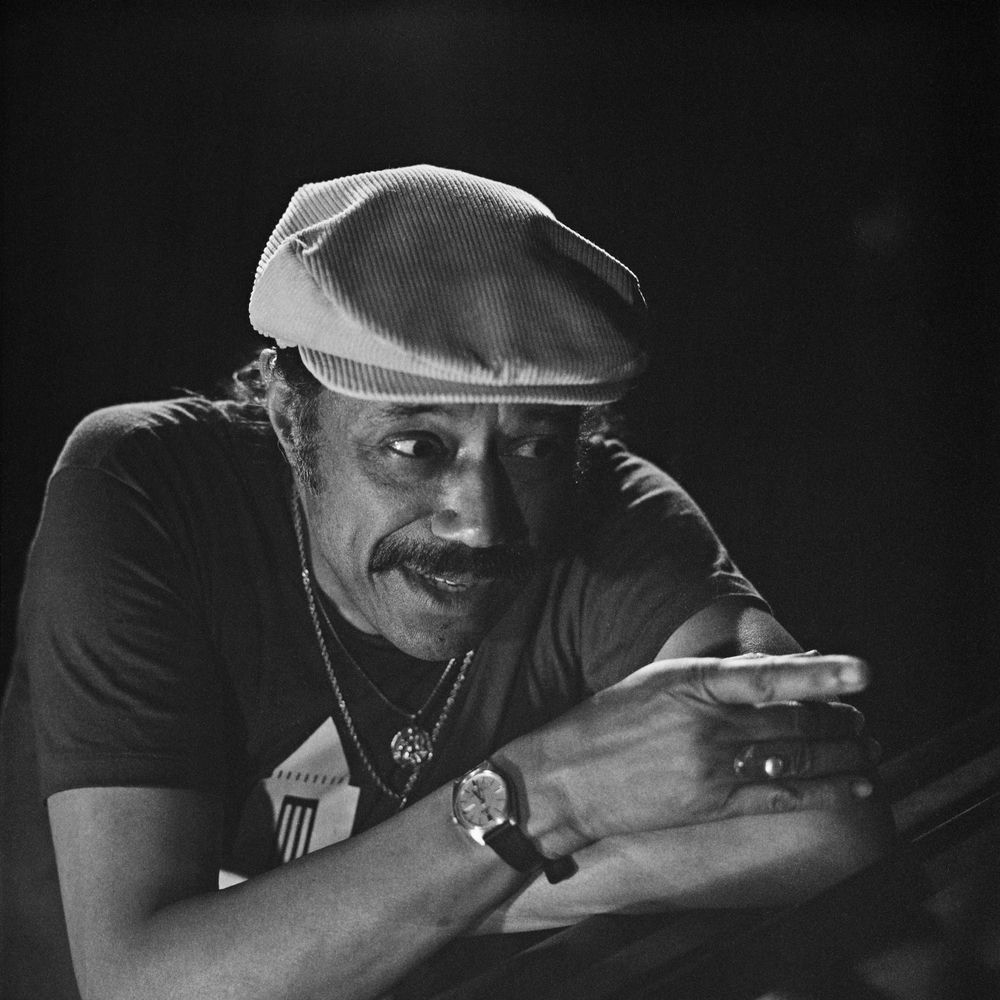
Horace Silver
 United States
Listen Horace Silver on radio stations:

Horace Silver: Architect of Hard Bop
Horace Silver was an American jazz pianist and composer whose innovative work defined the hard bop genre. Born in Norwalk, Connecticut, his prolific career as a bandleader and songwriter for Blue Note Records produced a catalog of enduring jazz standards that became staples of the genre.
Early career
Horace Ward Martin Tavares Silver was born in 1928 and first gained professional experience in the early 1950s. After moving to New York, his talent was spotted by saxophonist Stan Getz, who recorded three of Silver's compositions and hired him for a 1950 tour, leading to his first recordings.
This exposure cemented his place in the New York scene, leading to crucial collaborations with artists like Art Blakey. Together with Blakey, Silver co-founded the Jazz Messengers in 1953, a group that became the quintessential hard bop training ground.
Breakthrough
Silver's true breakthrough came with his 1954 album Horace Silver and the Jazz Messengers. This Blue Note release is widely considered a foundational text of hard bop, blending blues and gospel influences with sophisticated bebop harmony.
His subsequent departure to form his own quintet solidified his stature. Albums like Finger Poppin' (1959) and Song for My Father (1964) achieved remarkable commercial success for instrumental jazz, with the latter often cited as one of Blue Note's best-selling albums.
Key tracks
The Preacher — This 1955 composition became an instant classic, showcasing Silver's genius for crafting accessible, gospel-infused melodies that swung hard.
Song for My Father — The title track from his 1964 album features an iconic bass line and bossa nova feel, becoming one of his most recognized and covered works.
Señor Blues — A prime example of his signature style, this 1956 tune combines a minor-key blues with a hypnotic, Latin-tinged rhythm.
Filthy McNasty — This funky and humorous track from 1961 highlighted Silver's ability to inject soulful, down-home grooves into a jazz context.
Throughout the 1960s and 70s, Silver continued to refine his compositional voice, often incorporating lyrical and spiritual themes into albums like The Cape Verdean Blues (1965) and the trilogy United States of Mind (1970-1972). His relationship with Blue Note Records lasted an incredible 28 years until 1979.
Silver's influence extended far beyond his recordings, as his compositions became essential repertoire for jazz musicians worldwide. He received numerous honors, including a National Endowment for the Arts Jazz Masters fellowship in 1995, before passing away in 2014.
For fans of Horace Silver's foundational hard bop sound, the music of Art Blakey offers a similarly potent blend of fiery ensemble playing. Lee Morgan shares Silver's talent for crafting memorable, bluesy melodies and trumpet hooks. The soulful piano work of Bobby Timmons echoes the gospel roots Silver often celebrated. Blakey Jazz Messengers alumni continued to propagate the hard bop ethos Silver helped create.
Horace Silver's music remains a core component of jazz radio programming. His timeless recordings are featured daily on stations dedicated to classic jazz, hard bop specialty shows, and online radio streams focusing on music's rich history.
The pioneering hard bop of Horace Silver can be heard on radio stations featured on our website. Listeners can discover his essential catalog through the classic jazz and instrumental music stations available on onairium.com.