
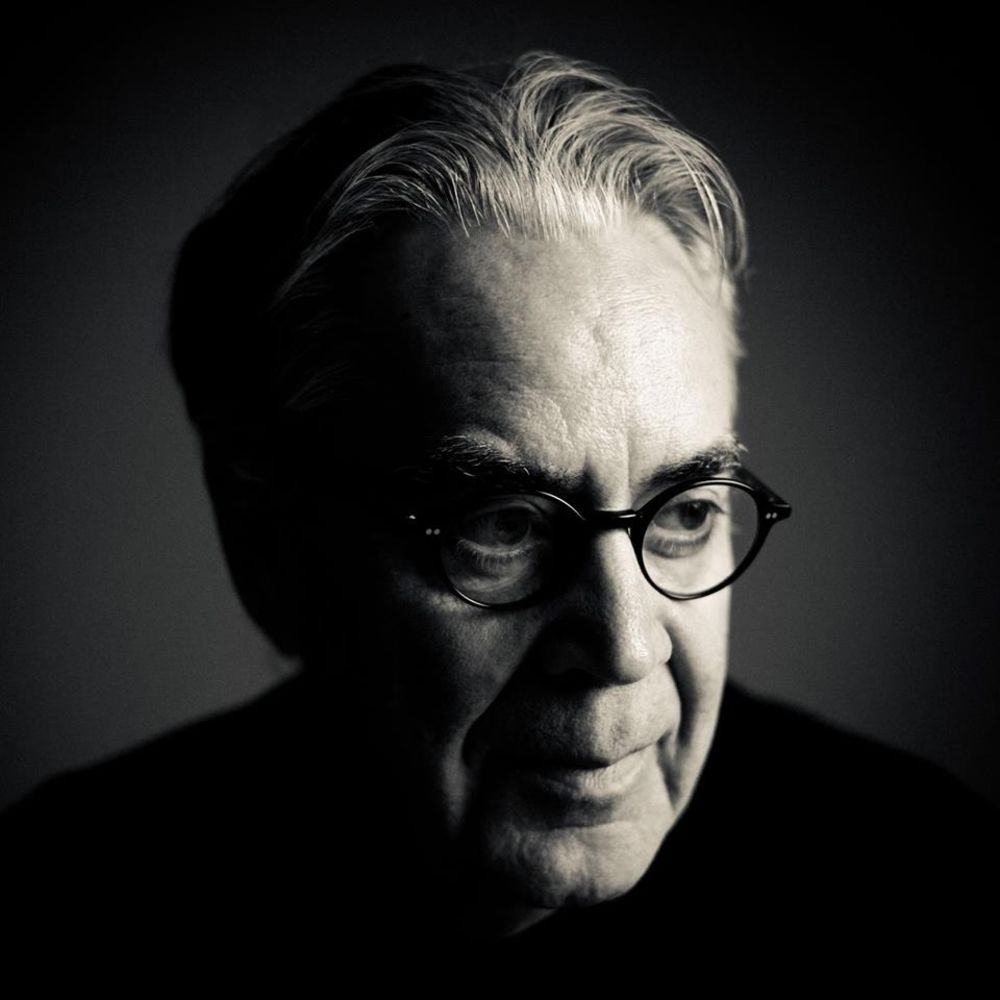
Howard Shore
Listen Howard Shore on radio stations:
Howard Shore: The Maestro of Cinematic Soundscapes
Howard Shore is a Canadian composer and conductor renowned for his extensive and influential work in film music. Hailing from Toronto, Ontario, his career is defined by monumental orchestral scores that have become synonymous with epic storytelling, most notably his Grammy and Academy Award-winning work for Peter Jackson's "The Lord of the Rings" trilogy.
Early Career
Howard Shore's musical journey began not in the concert hall but in the vibrant world of live television and comedy. In the early 1970s, he was a founding member and the original music director for the iconic late-night show "Saturday Night Live," where he composed and performed for five seasons. This unique background in live performance and eclectic genres provided an unconventional foundation for his later work, before he transitioned fully into film scoring in the late 1970s and early 1980s with directors like David Cronenberg.
Breakthrough
While Shore had built a respected career with scores for films such as "The Fly" and "Silence of the Lambs," his global breakthrough arrived in 2001 with "The Lord of the Rings: The Fellowship of the Ring." The immense scope and thematic depth of his music for Middle-earth captivated audiences and critics alike, earning him his first Academy Award. The subsequent scores for "The Two Towers" and "The Return of the King" completed a masterwork, with the final film's score winning him two more Oscars for Best Original Score and Best Original Song ("Into the West").
Key Tracks
The Bridge of Khazad-dûm - This powerful and chaotic piece from "The Fellowship of the Ring" showcases Shore's ability to drive narrative action with complex, motif-driven orchestral writing.
The Lighting of the Beacons - A soaring, triumphant cue from "The Return of the King" that exemplifies his skill for creating emotionally resonant and iconic musical moments.
Concerning Hobbits - The gentle, folk-inspired theme that introduces the Shire, establishing Shore's meticulous use of leitmotifs to define characters and cultures.
History of the World - The main title from "The Silence of the Lambs" demonstrates his earlier, more minimalist and psychologically unsettling style that perfectly complemented the film's tension.
Beyond Middle-earth, Howard Shore's prolific output includes long-standing collaborations with directors David Cronenberg ("A History of Violence," "Eastern Promises") and Martin Scorsese, for whom he composed the scores for "Gangs of New York," "The Aviator," and "The Departed." His work extends into major studio productions like "The Hobbit" trilogy, "Spotlight," and even the concert hall with his opera "The Fly." Shore's compositions are characterized by their structural complexity, deep integration with the film's narrative, and a masterful command of the orchestra, cementing his status as a defining voice in modern film music.
Listeners who appreciate the grand, thematic compositions of Howard Shore often enjoy the works of other film scoring giants. The dramatic and lush orchestral style of John Williams shares a similar foundational approach to melody and theme. The atmospheric and textural scores by Hans Zimmer represent another pillar of contemporary cinematic sound. For those drawn to Shore's darker, more psychological work, the music of Danny Elfman offers a similarly distinctive and gothic sensibility.
The music of Howard Shore continues to be celebrated and played for audiences around the world, featured across a wide spectrum of radio programming dedicated to film scores and classical-inspired soundtracks.
