Hubert von Goisern und Die Alpinkatzen
Hubert von Goisern und Die Alpinkatzen: The Pioneers of Alpine Rock
Hubert von Goisern und Die Alpinkatzen are an Austrian musical phenomenon who revolutionized folk music by fusing traditional Alpine sounds with rock, pop, and world music. Emerging from the Salzkammergut region, the band achieved massive commercial success, with their 1992 album Aufgeigen stått niederschiassen going platinum and spending over a year on the Austrian charts.
Early career
Hubert von Goisern, born Hubert Achleitner in 1952, formed Die Alpinkatzen in the mid-1980s after extensive travels and musical studies abroad. The band's foundational idea was to treat traditional Austrian folk instruments, like the accordion (Steirische Harmonika) and alpine zither, as rock instruments. Their 1988 debut album, Alpine Lawine, on the independent label BMG Ariola, introduced this bold, energetic hybrid to a initially skeptical public.
Breakthrough
The band's commercial and critical breakthrough arrived decisively in 1992 with the album Aufgeigen stått niederschiassen. Driven by the explosive single Koa Hiatamadl, a rocked-up folk classic, the album achieved platinum status in Austria. It remained on the album charts for over 70 weeks, catapulting Hubert von Goisern und Die Alpinkatzen from cult act to national superstars and defining the "Alpine Rock" genre.
Key tracks
Koa Hiatamadl — This modernized folk song became an anthem and the band's signature breakthrough hit, introducing Alpine Rock to the mainstream.
Heast as nit — A powerful rock song with traditional roots, it showcased the band's ability to craft original, hard-hitting material within their new genre.
Weit, weit weg — This ballad demonstrated the project's depth and von Goisern's songwriting versatility, achieving significant radio airplay.
Brenna tuats guat — A later hit from von Goisern's solo work, this politically charged song topped the Austrian singles chart for weeks in 2008.
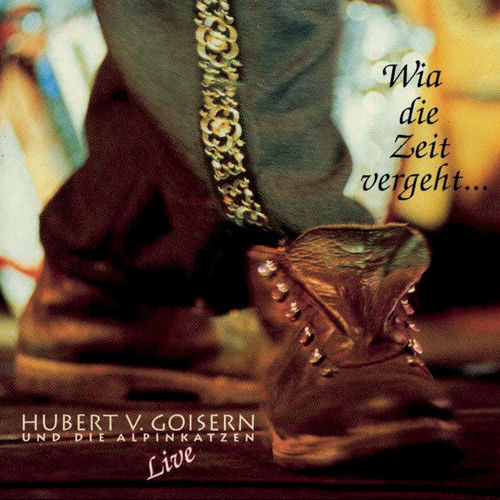
The success of the early 1990s led to major festival appearances and tours across Europe. Subsequent albums like Omunduntn (1995) continued to explore and expand the Alpine Rock formula, incorporating even broader global influences. After the live album Wia die Zeit vergeht (1996), Hubert von Goisern dissolved the Alpinkatzen lineup to pursue ambitious solo world music projects, collaborating with artists from Africa and Asia.
He later revived the Alpinkatzen moniker for tours and specific albums, such as 2001's Fön. His solo work, including the chart-topping album S'Nix (2008), has remained critically acclaimed, ensuring his status as a relentless innovator. The band's influence is indelible, having opened doors for a new generation of folk-rock acts in the German-speaking world.
Fans of Hubert von Goisern und Die Alpinkatzen often appreciate the work of Attwenger for their experimental take on Austrian folk with drum and bass elements. The accessible folk-rock of Die Zillertaler shares a similar base in traditional music. The energetic live shows and genre-blending of Katzenjammer offer a Nordic parallel. For the rock intensity fused with local tradition, Schandmaul is a key German act.
The music of Hubert von Goisern und Die Alpinkatzen maintains a strong presence on radio, particularly on Austrian national stations, European world music programs, and specialty folk-rock shows. Their anthemic hits are staples on classic rock FM stations that feature regional genres, while their innovative albums are explored on independent music radio stations focused on artistic fusion.
Listeners can discover the pioneering Alpine Rock of Hubert von Goisern und Die Alpink