Hugo Diaz
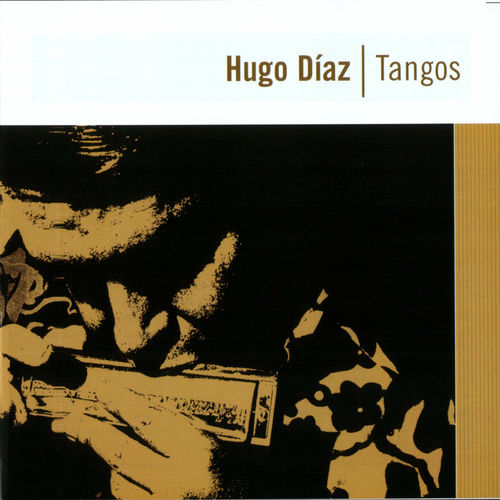
Hugo Diaz: The Virtuoso of Argentine Folklore
Hugo Diaz was a master Argentine harmonica player whose profound musicianship elevated the diatonic harmonica to a solo concert instrument within the folk and tango traditions. Hailing from Santiago del Estero, his technical brilliance and emotive depth made him a revered figure, with his 1969 album “El diablo suelto” becoming a landmark release that achieved gold status and cemented his legacy.
Early career
Born in 1927 in Santiago del Estero, Hugo Diaz demonstrated an extraordinary musical gift from childhood, initially learning guitar before dedicating himself to the harmonica. His early professional years in the 1940s and 1950s saw him performing in Buenos Aires cafes and on radio stations, where he quickly gained a reputation for his unparalleled technique and sophisticated arrangements of traditional folk songs.
Breakthrough
Diaz's national and international breakthrough was solidified with the release of his seminal 1969 album, “El diablo suelto”, on the Philips label. The record was a critical and commercial triumph, earning a gold certification in Argentina for its sales and introducing his virtuosic style to a global audience, effectively defining the sound of Argentine harmonica for a generation.
Key tracks
“El diablo suelto” — The title track from his landmark album is a dazzling showcase of his speed, precision, and complex phrasing.
“Zamba de mi esperanza” — This interpretation of the classic zamba demonstrates his ability to imbue folk standards with profound lyrical feeling.
“La cumparsita” — Diaz's rendition of the iconic tango reimagined the harmonica as a lead instrument capable of conveying the genre's signature passion and melancholy.
“Carnavalito” — A lively and rhythmically intricate piece that highlights his deep connection to the folk rhythms of northern Argentina.
Following this peak, Hugo Diaz continued to record prolifically and tour internationally throughout the 1970s and 1980s, collaborating with symphonic orchestras and sharing stages with global stars like Harry Belafonte. His later work further explored the fusion of Argentine roots with jazz and classical music, influencing countless musicians across genres until his passing in 1977.
For listeners who appreciate the artistry of Hugo Diaz, the website also features music by similar Argentine folk innovators. Mercedes Sosa shared his deep commitment to the roots and social power of Argentine song. Atahualpa Yupanqui represents the foundational songwriting and guitar style that Diaz often interpreted. Astor Piazzolla parallels Diaz's revolutionary approach to traditional Argentine music, modernizing tango just as Diaz transformed harmonica performance.
The music of Hugo Diaz maintains a regular presence on specialty radio formats, particularly on stations dedicated to world music, Latin American folk, and instrumental virtuosity. His recordings are staples on curated programs that explore the depth of Argentine culture and the history of exceptional instrumentalists, ensuring new audiences discover his work.
You can hear the timeless sound of Argentine harmonica master Hugo Diaz on radio stations featured on our website. Explore the stations available on onairium.com to listen to his iconic performances and discover the rich tradition of Argentine folklore music.