Hurricane Smith
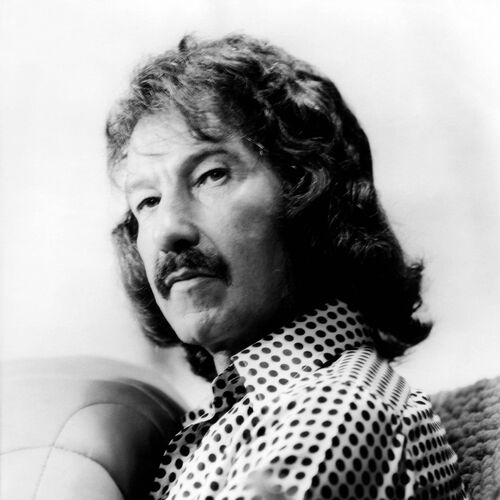
Hurricane Smith: The Unlikely British Pop Maestro
Hurricane Smith was the stage name of Norman Smith, a pivotal behind-the-scenes figure in British music who stepped into the spotlight with a string of charming, old-fashioned pop hits in the early 1970s. Hailing from London, England, his unexpected solo career peaked with the international smash "Oh Babe, What Would You Say?", which reached number 3 on the US Billboard Hot 100 and number 4 on the UK Singles Chart.
Early career
Born in 1923, Norman Smith's musical journey began long before his own recordings found fame. He served as the chief balance engineer for EMI at Abbey Road Studios throughout the 1960s, working on nearly every Beatles album from "Please Please Me" through to "Rubber Soul". His keen ear and steady hand in the control room earned him the affectionate nickname "Normal Norman" from the Fab Four, laying the groundwork for his future production work.
Breakthrough
Smith's transition from engineer to artist was as surprising as it was successful. After producing early hits for the progressive rock band Pink Floyd, he signed a solo deal with EMI's Columbia label in 1971 under the more dramatic moniker Hurricane Smith. His debut single, "Don't Let It Die", became an immediate UK hit, reaching number 2 on the chart and establishing his distinctive, nostalgic vocal style.
Key tracks
Don't Let It Die — This 1971 debut single showcased Smith's warm, conversational singing and launched his short-lived but memorable chart career.
Oh Babe, What Would You Say? — His signature 1972 hit, this piano-driven tune became a surprise transatlantic success, selling over a million copies and earning a gold certification in the United States.
Who Was It? — The 1972 follow-up single that consolidated his success in the UK, where it climbed to number 13 on the singles chart.
My Mother Was Her Name — A track from his 1972 album "Hurricane Smith" that typifies his sentimental, music-hall influenced songwriting style.
He released two albums, "Hurricane Smith" (1972) and "From "You" to "Me" (1973), before gradually returning to his primary role as a producer and engineer. His production credits remained impressive, including work for acts like Johnny Hallyday and the British rock band Pretty Things. Hurricane Smith's unique story—from essential studio technician to unlikely pop star—remains a fascinating footnote in British music history. His gentle, anachronistic pop sound stood in stark contrast to the glam and hard rock dominating the charts at the time.
Fans of Hurricane Smith's quaint, narrative-driven British pop may also enjoy the work of Gilbert O'Sullivan, who shared a talent for piano-based, character-focused songs. The nostalgic charm of The New Vaudeville Band also echoes Smith's throwback aesthetic. Listeners might appreciate the story-songs of Ray Davies of The Kinks, another master of distinctly English vignettes. For the classic studio craftsmanship behind his sound, explore the catalog of The Beatles, whose records he helped shape.
Hurricane Smith's music maintains a cherished place in the rotations of classic pop and 70s nostalgia radio stations. His hits are staples on FM stations dedicated to soft rock and the unique sounds of the early 1970s, often featured in specialty programs highlighting one-hit wonders or behind-the-scenes stories from Abbey Road.
The timeless, gentle pop of Hurricane Smith continues to be broadcast on radio stations featured here on onairium.com. Listeners can easily discover his charming catalogue and unexpected story by tuning into the classic hits and retrospective stations available on our platform.