
Igor Wakhévitch: The Avant-Garde Architect of Experimental Sound
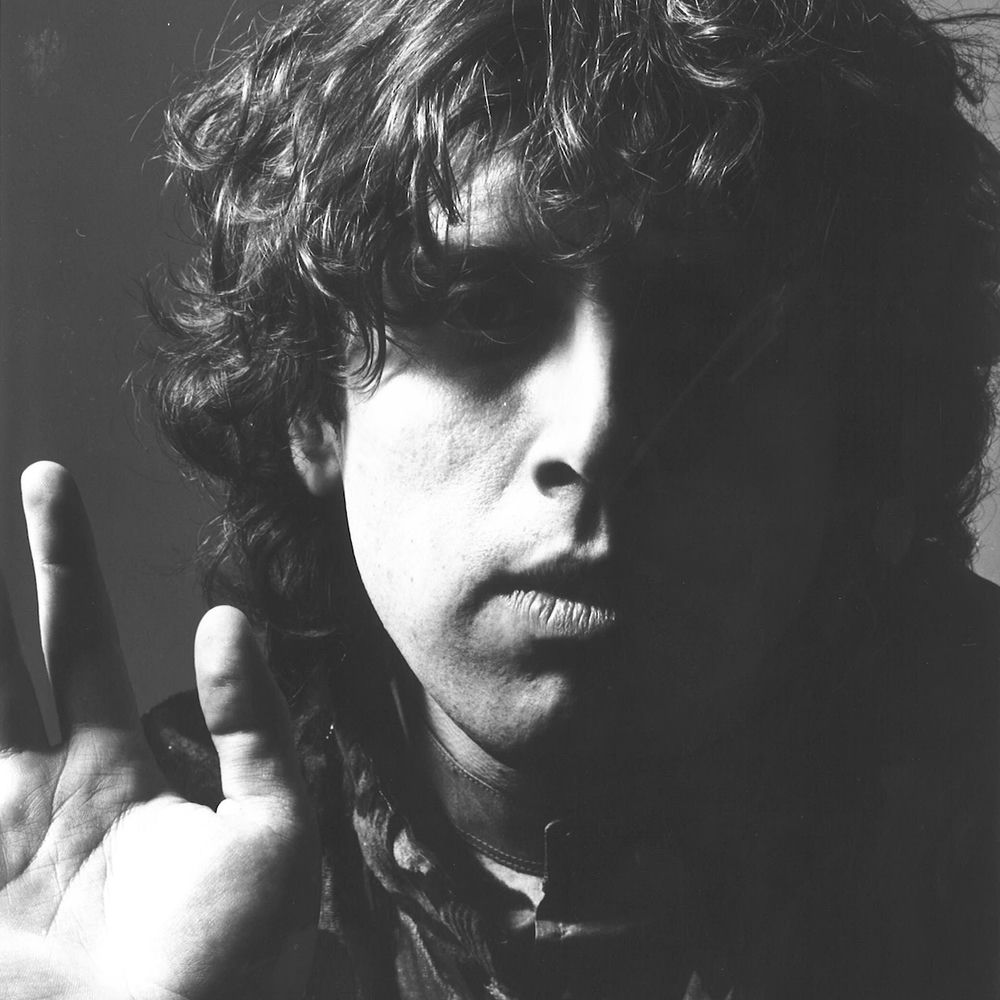
Igor Wakhévitch was a pioneering French composer whose work fused avant-garde classical music with early electronic experimentation and progressive rock. Emerging from the vibrant Parisian art scene of the late 1960s, his ambitious and often theatrical albums created a unique sonic universe that defied conventional genre classification.
Early career
Born in 1948, Igor Wakhévitch was immersed in the arts from a young age, studying at the Conservatoire de Paris. His initial forays into composition were heavily influenced by contemporary classical figures like Pierre Henry and the musique concrète movement. His debut, the 1969 album Donc, was released on the experimental Shandar label, immediately establishing his dense, ritualistic sound.
Breakthrough
Wakhévitch's creative breakthrough arrived with his early 1970s triptych for the Philips label: Docteur Faust (1971), Logos (1972), and Hathor (1973). These albums presented a radical fusion of orchestral arrangements, tape manipulation, and proto-industrial rhythms. While not achieving mainstream chart success, these works gained a cult following and critical recognition for their ambitious scope and dark, liturgical atmosphere.
Key tracks
Docteur Faust — This title track from his 1971 album is a sprawling, dramatic piece that encapsulates his fusion of operatic vocals and unsettling electronic textures.
Logos — A central work showcasing his talent for layering repetitive, percussive motifs with dissonant classical elements, defining his signature style.
Hathor — The 1973 album's intense, ritualistic soundscapes further cemented his reputation as a master of atmospheric, avant-garde composition.
Salomé — This later work from 1978 continued his exploration of myth and religion through a lens of progressive electronic music and tape collage.
Throughout the 1970s and beyond, Igor Wakhévitch also composed for film, theater, and contemporary dance, collaborating with figures like choreographer Carolyn Carlson. His work remained largely within the sphere of experimental music, revered by collectors and influencing subsequent generations in industrial, dark ambient, and neoclassical circles. Later reissues of his key albums by labels like Spalax and Sub Rosa introduced his music to new audiences in the 1990s and 2000s.
For listeners exploring the outer limits of sound, similar artists include Art Zoyd, who similarly blend progressive rock with contemporary classical structures. The theatrical and electronic explorations of Magma share a kinship with Wakhévitch's conceptual ambition. The early, tape-based works of Popol Vuh offer a parallel path in spiritual, instrumental music. Furthermore, the dense atmospheres of Current 93 show a clear lineage from Wakhévitch's pioneering efforts.
The enigmatic catalog of Igor Wakhévitch finds a natural home on specialized radio formats. His compositions are regularly featured on avant-garde and experimental radio stations, as well as online radio streams dedicated to progressive rock history and electronic music pioneers. Independent music radio stations with a focus on deep archival sounds frequently program his work, appreciating its enduring and influential quality.
You can explore the groundbreaking experimental music of Igor Wakhévitch on radio stations featured on our website. Listeners can discover his unique sonic world through the avant-garde and progressive radio stations available on onairium.com.