






Indochine: France's Enduring New Wave and Pop Rock Pioneers
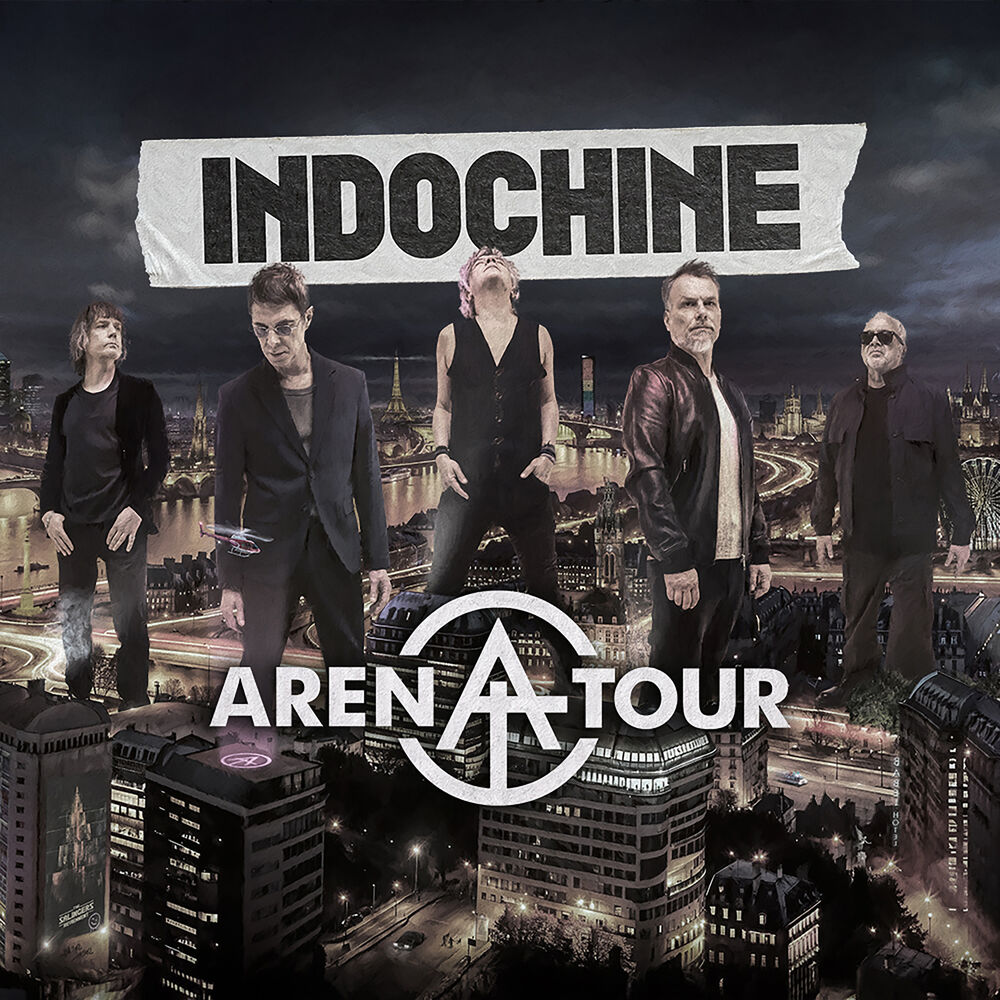
Indochine is a French rock band that formed in Paris in 1981, becoming one of the most successful and enduring groups in French music history. Blending new wave, synth-pop, and pop rock, the band has sold millions of records, particularly in Francophone Europe, and continues to headline major stadium tours decades after their debut.
Early career
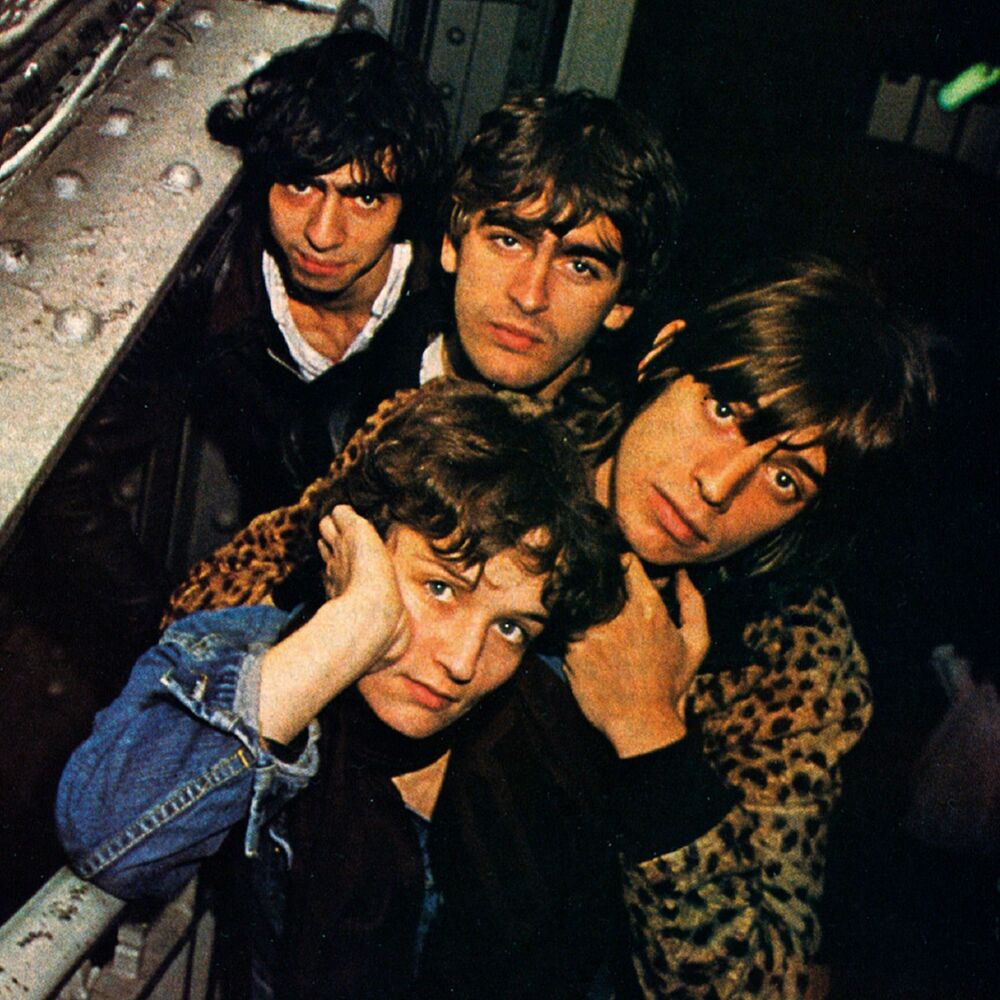
Indochine was founded by frontman Nicola Sirkis and his guitarist twin brother Stéphane Sirkis, along with bassist Dominique Nicolas and drummer Dimitri Bodiansky. The band's name, meaning "Indochina," reflected a romantic, exotic aesthetic that permeated their early image. Their self-titled debut album, Indochine, was released in 1982, introducing a stylish, post-punk influenced sound with singles like "Dizzidence Politik" and "L'Aventurier," the latter of which would become a cult classic and a perennial fan favorite.
Breakthrough
The band's commercial breakthrough arrived with their third album, 3, released in 1985. This record saw Indochine fully embrace a catchy, synth-driven pop rock sound, leading to massive hits like "3ème Sexe" and "Canary Bay." The album was a phenomenal success, reportedly selling over a million copies in France alone and cementing the band's status as superstars. Their follow-up, 7000 Danses in 1987, continued this streak, though internal tensions led to a period of instability and lineup changes.
Key tracks
L'Aventurier - The band's early signature song from their 1982 debut, it gained lasting popularity and remains a staple of their live performances.
3ème Sexe - A defining synth-pop anthem from the 1985 album 3 that propelled Indochine to nationwide fame in France.
J'ai demandé à la lune - A major hit from their 2002 comeback album Paradize, showcasing a matured, anthemic rock sound that reintroduced them to a new generation.
La Vie est belle - A testament to their enduring ability to craft large-scale pop rock ballads, featured on their successful 2017 album 13.
Following a quieter period in the 1990s, Indochine mounted a spectacular comeback in 2002 with the album Paradize. The record, featuring a refreshed lineup with Nicola Sirkis as the sole constant member, was a critical and commercial triumph, winning a Victoire de la Musique award for Best Rock Album and selling over a million copies. This resurgence proved Indochine was not merely a nostalgic act but a vital force, capable of producing relevant and powerful rock music. Subsequent albums like Alice & June (2005), La République des Meteors (2009), and Black City Parade (2013) all debuted at number one in France, demonstrating their consistent chart dominance. Their longevity is underscored by their ability to sell out Paris's Stade de France multiple times, a rare feat for a French rock band. The group's catalog spans dozens of albums, including studio records, live albums, and compilations, with total sales estimates ranging into the tens of millions. While their core audience remains strongest in France, Belgium, and Switzerland, Indochine has cultivated a dedicated fanbase across Europe and beyond, drawn to their melodic songwriting, dramatic style, and Nicola Sirkis's distinctive vocal delivery. Their music evolved from early 80s new wave to encompass grand, guitar-driven rock, electronic experimentation, and timeless pop melodies, all while maintaining a uniquely French lyrical perspective.
Fans of Indochine's blend of anthemic rock and French lyricism might also enjoy the music of Téléphone, a foundational French rock band that preceded them. The theatrical pop rock of Mylene Farmer shares a similar sense of drama and massive commercial success in France. For the synth-pop element of Indochine's sound, listeners might explore
Similar artists