Ink Spots
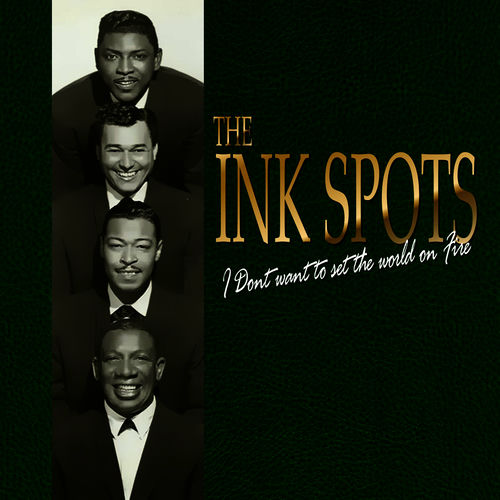
Ink Spots: Pioneers of Vocal Harmony and Rhythm & Blues
The Ink Spots were a groundbreaking American vocal group whose sophisticated harmonies and spoken-word bridges became a foundational blueprint for doo-wop and R&B. Formed in Indianapolis in the early 1930s, the quartet achieved monumental success with a string of million-selling hits that dominated the charts throughout the 1940s and influenced generations of musicians.
Early career
The group's origins trace back to 1934 in Indianapolis, where the original members—often cited as Orville "Hoppy" Jones, Bill Kenny, Charlie Fuqua, and Deek Watson—began performing. They honed their distinctive style on the vaudeville circuit, landing a recording contract with Victor Records in 1939 after being discovered by bandleader Jack Kapp.
Breakthrough
The Ink Spots' commercial breakthrough arrived in 1939 with their Decca Records single If I Didn't Care. The song's elegant arrangement, featuring Bill Kenny's soaring tenor and Hoppy Jones's resonant spoken bass interlude, became a massive hit, reportedly selling over 19 million copies and establishing the group's signature formula.
Key tracks
If I Didn't Care — This 1939 Decca single was their commercial breakthrough and one of the best-selling singles of the pre-rock era.
I Don't Want to Set the World on Fire — A 1941 chart-topper that became an enduring classic, later featured in films and video games.
Into Each Life Some Rain Must Fall — A 1944 collaboration with Ella Fitzgerald that topped the Billboard Harlem Hit Parade chart.
The Gypsy — This 1946 release spent 13 weeks at number one on the Billboard charts, demonstrating their lasting popularity.
Maybe — A quintessential example of their romantic ballad style, later covered by numerous doo-wop and rock and roll acts.
Their success continued through the 1940s with a consistent output of hits for Decca, including We Three (My Echo, My Shadow and Me) and To Each His Own. Personnel changes were frequent after the original members began to depart in the late 1940s, but various line-ups continued to tour and record under the famous name for decades, cementing their legacy in vocal group history.
Fans of the Ink Spots' pioneering vocal group sound should also explore Mills Brothers. This group similarly blended jazz harmonies with pop appeal and enjoyed decades of chart success. The smooth, romantic ballads of Nat King Cole also share the Ink Spots' sophisticated, crossover style from the same era. For the foundational R&B and jump blues that followed, listen to Louis Jordan and his Tympany Five. The early doo-wop of The Ravens directly builds upon the bass-and-tenor dynamic the Ink Spots popularized.
The Ink Spots' timeless recordings remain a staple on classic vocal harmony and oldies radio stations. Their music is frequently featured on dedicated nostalgia FM stations, online oldies streams, and specialty programs focusing on the roots of R&B and popular song.
You can hear the iconic music of the Ink Spots on radio stations featured on our website. Explore the classic vocal group genre and listen to their influential tracks through the curated radio stations available on onairium.com.