

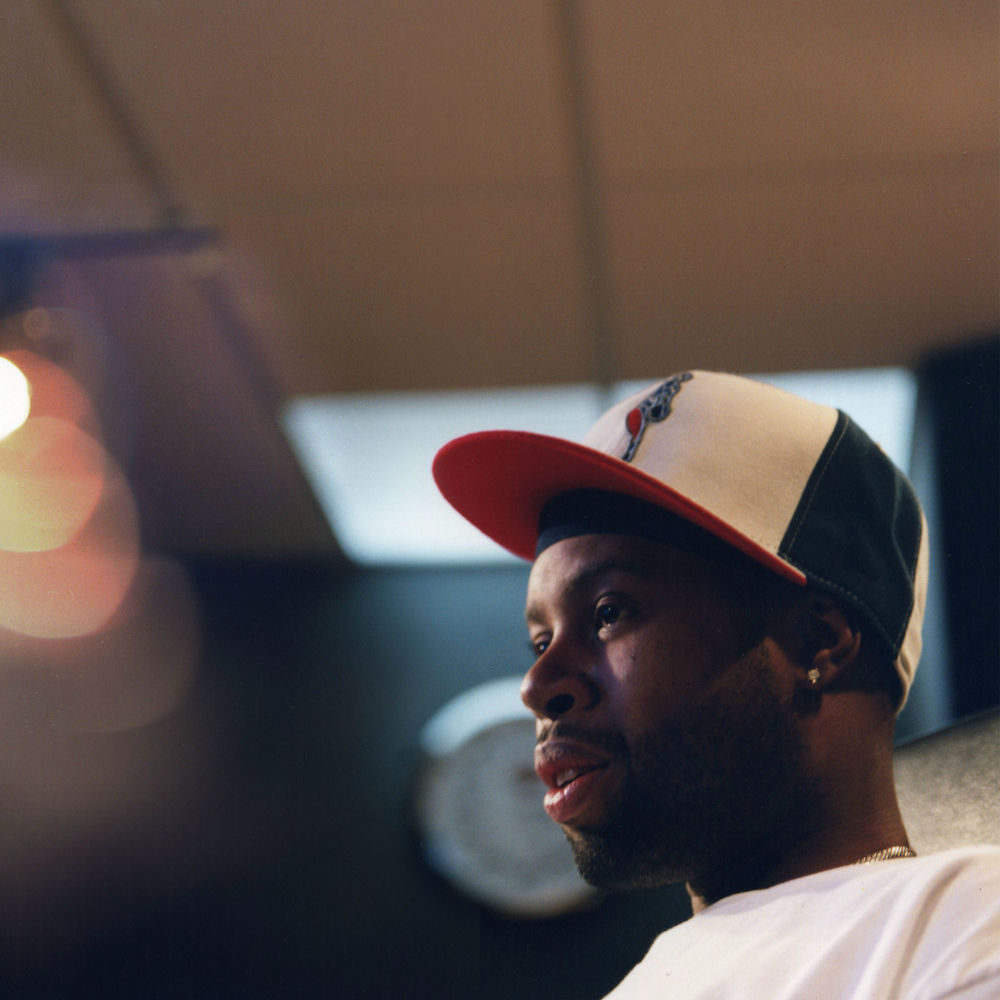
J Dilla
Listen J Dilla on radio stations:
J Dilla: The Architect of Hip-Hop Soul
J Dilla, born James Dewitt Yancey, was a groundbreaking American record producer and rapper from Detroit, Michigan. His innovative, sample-based beats fundamentally reshaped hip-hop and soul music, leaving a legacy that continues to influence producers worldwide.
Early career
Emerging from Detroit's vibrant music scene in the early 1990s, J Dilla first gained attention as a core member of the hip-hop group Slum Village. His early production work for the group showcased a signature style characterized by off-kilter drum programming and soulful melodic chops, quickly catching the ear of the underground hip-hop community.
Breakthrough
J Dilla's national breakthrough came through his pivotal work with The Ummah production collective and a series of iconic productions for major artists. His beats for A Tribe Called Quest's Beats, Rhymes and Life (1996) and Common's Like Water for Chocolate (2000), particularly the track The Light, cemented his status as a producer's producer, renowned for his musicality and rhythmic sophistication.
Key tracks
Won't Do - This track from his 2006 album The Shining is a masterclass in minimalist, head-nodding funk production.
Time: The Donut of the Heart - The centerpiece of his 2006 instrumental masterpiece Donuts, it encapsulates his genius for emotional resonance through sampling.
So Far to Go - A posthumously released collaboration with Common and D'Angelo from the 2006 album The Shining, highlighting his seamless blend of hip-hop and soul.
Fuck the Police - His raw, gritty remix of the N.W.A. classic for the group's 1999 Straight Outta Compton reissue demonstrated his ability to recontextualize rap history.
Rico Suave Bossa Nova - An early beat tape gem that illustrates the jazz-influenced, laid-back foundation of his Detroit sound.
Despite declining health, J Dilla created his most celebrated work, the entirely instrumental album Donuts, which was released on February 7, 2006, just three days before his death from complications of thrombotic thrombocytopenic purpura and lupus. The album, composed largely from a hospital bed, stands as a profound and influential statement in beat music. His passing at age 32 solidified his mythic status, with his expansive catalog of unreleased beats and official works continuing to be curated and released posthumously by his estate.
For listeners who appreciate the intricate sample-based work of J Dilla, the stylings of Madlib offer a similarly crate-digging, jazz-inflected approach. The soulful hip-hop sound of Slum Village carries forward the musical blueprint he helped establish. The atmospheric productions of Pete Rock share a foundational influence from the same golden era of beatmaking. Furthermore, the work of The Roots often intersects with the live-instrument-meets-sample aesthetic that Dilla pioneered.
