J.J. Barnes
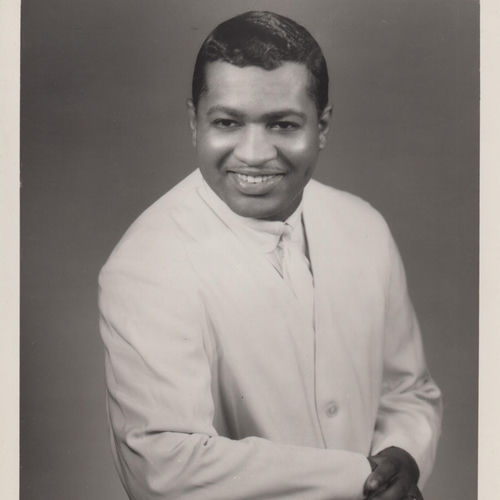
J.J. Barnes: The Soulful Voice of Detroit R&B
J.J. Barnes was an American soul and R&B singer whose powerful, emotive tenor became a cornerstone of the Detroit music scene. Hailing from Detroit, Michigan, his career is defined by classic 1960s singles for the Motown-affiliated Ric-Tic and Solid Hitbound labels, with his enduring hit "Baby Please Come Back Home" becoming a Northern Soul anthem.
Early career
Born John James Barnes in 1946, his musical journey began in the church choir, a common foundation for soul singers of his generation. His professional start came in the early 1960s with the small Detroit label D-Town Records, where he released his first single, "Won't You Let Me Know," in 1964, showcasing his raw, gospel-inflected vocal style.
Breakthrough
Barnes's breakthrough arrived in 1966 when he signed with Ed Wingate's Ric-Tic label, a direct competitor to Motown. His single "Baby Please Come Back Home," released that year, became an instant local hit and later found massive popularity on the UK's Northern Soul circuit in the 1970s, cementing his legacy as a soul powerhouse.
Key tracks
Baby Please Come Back Home — This 1966 Ric-Tic single is his signature song, a driving soul classic that became a staple on Northern Soul dancefloors.
Real Humdinger — Another major Ric-Tic release from 1967, this track is celebrated for its energetic arrangement and Barnes's impassioned vocal delivery.
Our Love Is In The Pocket — Co-written and produced by a young Jermaine Jackson, this 1972 song for Stax's We Produce subsidiary showed Barnes's adaptability to a smoother, early-70s soul sound.
Please Let Me In — This 1967 Solid Hitbound release is a prime example of his heartfelt balladry and remains a favorite among deep soul collectors.
Following the success of his Ric-Tic work, Barnes continued recording for Solid Hitbound and later collaborated with producer Don Davis. He also worked with fellow Detroit artist Steve Mancha, with whom he recorded the duet "I Ain't Going Nowhere." While major national chart success in the US proved elusive, his reputation as a premier vocalist never waned within the soul community.
In later decades, J.J. Barnes experienced a well-deserved renaissance as his classic recordings were rediscovered by new generations of soul enthusiasts. He continued to perform live, particularly in the UK where his Northern Soul fame remained strong, until his passing in August 2022. His influence is heard in the work of artists who value raw, emotive vocal power over studio polish.
Fans of J.J. Barnes's authentic Detroit soul sound should also explore the music of Steve Mancha, his frequent collaborator and a fellow Ric-Tic recording artist. The polished harmonies of The Spinners represent another successful Detroit group from the same vibrant era. For the grittier side of the city's soul, listen to Jr. Walker and his energetic saxophone-driven hits. The deep soul style of Johnnie Taylor also shares a similar commitment to vocal intensity and emotional delivery.J.J. Barnes's catalog of Detroit soul is a permanent fixture on the playlists of dedicated classic soul and Northern Soul radio stations. His music provides the essential, upbeat backbone for specialty shows focused on 1960s R&B and rare groove discoveries across various online radio streams.
The timeless soul music of J.J. Barnes can be heard regularly on radio stations featured on our website. Listeners can discover his influential sound and classic hits by tuning into the dedicated soul and R&B stations available on onairium.com.