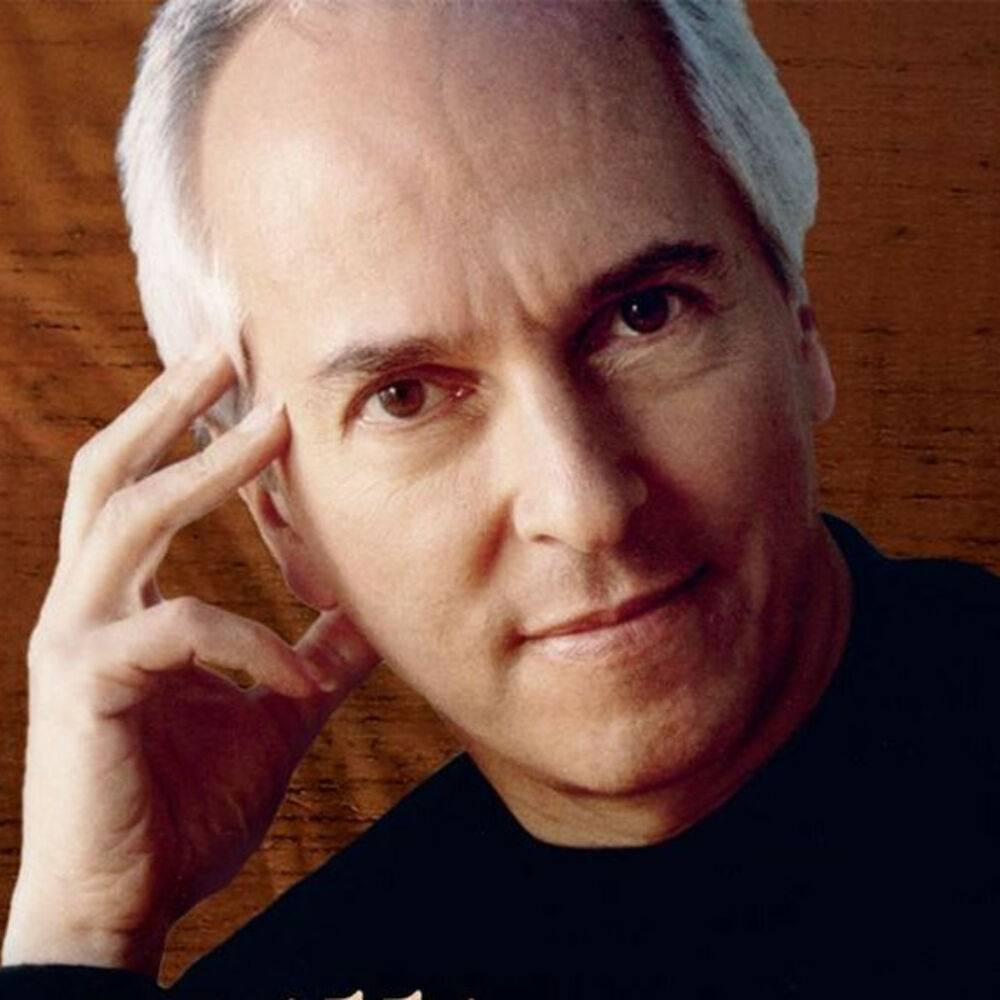
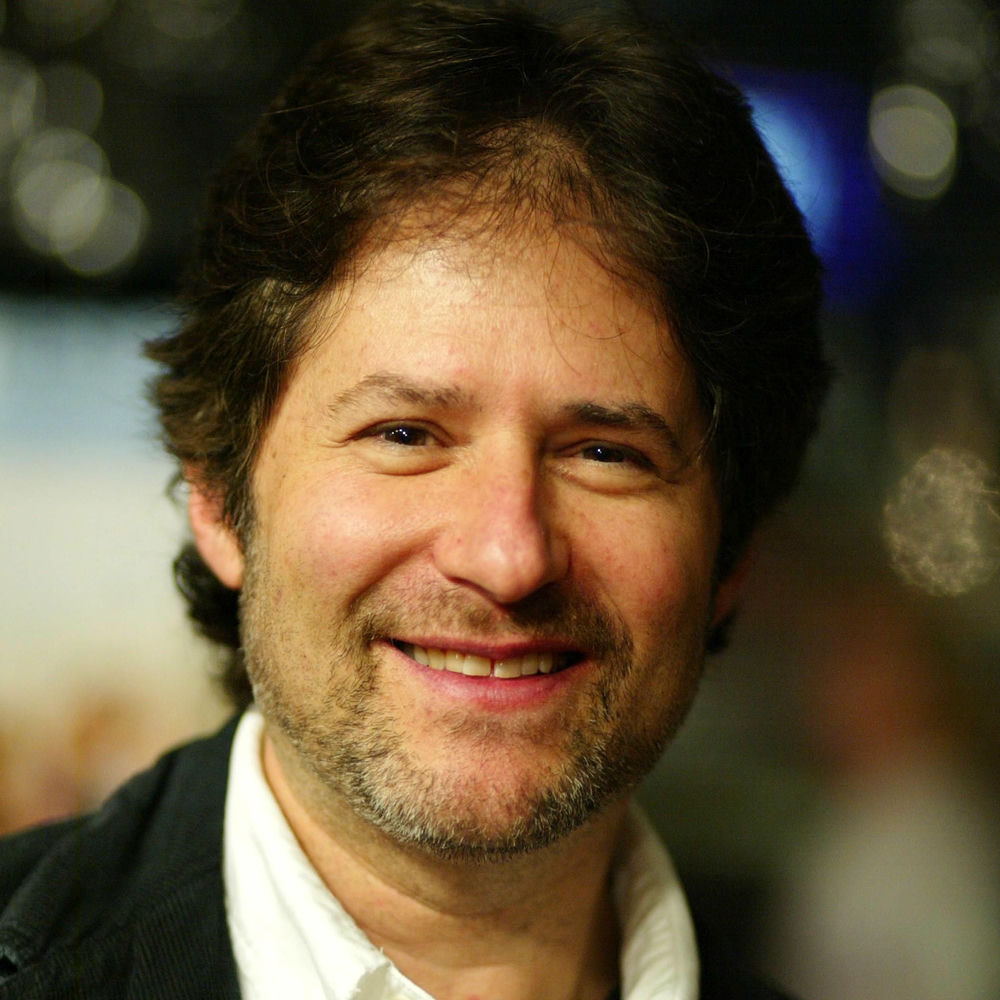
James Horner
 United States
Listen James Horner on radio stations:







James Horner: The Academy Award-Winning Film Composer
James Horner was an American composer best known for his prolific and emotionally resonant work in film. His sweeping, melodic scores for major Hollywood blockbusters earned him widespread acclaim and multiple Academy Awards.
Early Career
Born in 1953 in Los Angeles, James Horner was classically trained, studying at the Royal College of Music in London and earning advanced degrees from UCLA. His early film work in the late 1970s and early 1980s included composing for low-budget genre films, which led to his first major studio assignment on Star Trek II: The Wrath of Khan in 1982, establishing his signature orchestral style.
Breakthrough
Horner's career ascended throughout the 1980s and 1990s with a string of successful scores for films like Aliens (1986) and Field of Dreams (1989). His true commercial and critical breakthrough arrived with James Cameron's Titanic in 1997; the film's soundtrack, featuring the song "My Heart Will Go On," became a global phenomenon, selling over 30 million copies worldwide.
Key Tracks
My Heart Will Go On (from Titanic) - This Celine Dion-performed theme song became a worldwide hit, inextricably linking Horner's melody with the film's legacy and earning an Academy Award for Best Original Song.
Theme from Legends of the Fall - A quintessential example of Horner's romantic and expansive orchestral writing, showcasing his ability to craft memorable, standalone thematic music.
Hymn to the Sea (from Titanic) - This instrumental piece demonstrates the emotional depth and compositional grandeur of Horner's purely orchestral film scoring.
The Ludlows (from Legends of the Fall) - Another central theme highlighting Horner's skill in creating poignant, character-driven musical motifs.
Becoming One of "The People" / Becoming One with Neytiri (from Avatar) - From his later collaboration with James Cameron, this score illustrates his evolving integration of electronic elements with traditional orchestration.
Horner continued to be a dominant force in film music, scoring major hits like A Beautiful Mind (2001) and Avatar (2009). His work on Avatar marked another successful partnership with director James Cameron, for which he received further award nominations. James Horner's prolific career was tragically cut short in 2015.
For fans of James Horner's cinematic and thematic style, other notable film composers include John Williams for his iconic, leitmotif-driven scores. Hans Zimmer shares a similar prominence in modern blockbuster scoring, though with a more synthesized approach. The emotive orchestral landscapes of Howard Shore, particularly in epic fantasy, also resonate with Horner's work.