
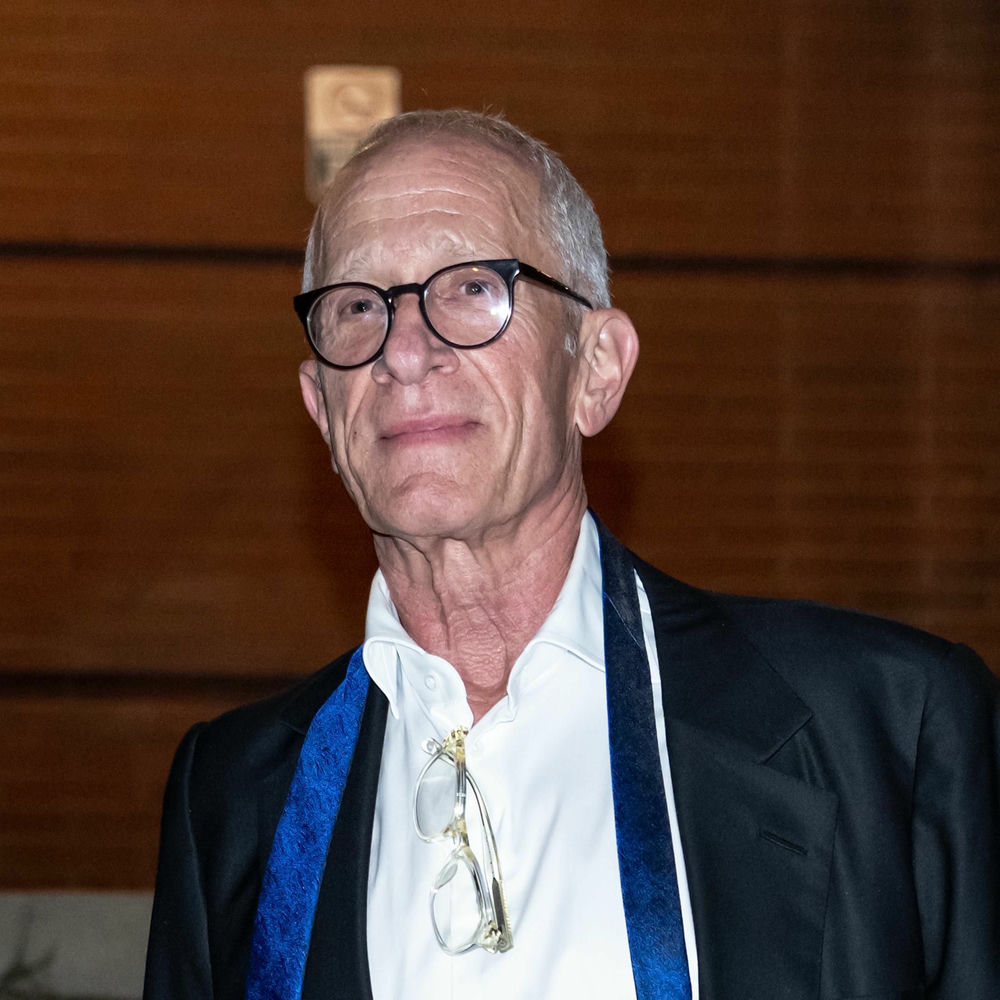
James Newton Howard
Listen on radio stations:

James Newton Howard: The Cinematic Soundscapes of a Film Score Maestro
James Newton Howard is an American composer, conductor, and music producer renowned for his prolific and evocative work in film scoring. With a career spanning over four decades, he has become one of Hollywood's most sought-after composers, crafting memorable soundtracks for a vast array of blockbuster films and intimate dramas alike, earning multiple Academy Award nominations.
Early Career
Born in Los Angeles in 1951, James Newton Howard's musical journey began with classical piano training before he explored pop and rock music. He first gained professional experience as a touring and session keyboardist in the 1970s, working with artists like Elton John, before transitioning into arranging and producing, which paved his way into the film industry.
Breakthrough
Howard's breakthrough as a film composer is often attributed to his score for the 1991 romantic drama "The Prince of Tides," which earned him his first Academy Award nomination. This recognition solidified his reputation, leading to a steady stream of high-profile assignments and establishing his signature style of blending orchestral tradition with contemporary electronic elements.
Key Tracks
The Village - This haunting and minimalist score, featuring violinist Hilary Hahn, showcases Howard's ability to build profound emotional tension and atmosphere.
King Kong - A sweeping, adventurous, and powerful composition that demonstrates his command of large-scale orchestral storytelling for epic cinema.
Blood Diamond - The score mixes traditional orchestral movements with African choral and rhythmic influences, highlighting his thematic depth and cultural sensitivity.
Throughout the 2000s and beyond, James Newton Howard's career flourished with significant collaborations, notably his work with director M. Night Shyamalan on films like "The Sixth Sense," "Signs," and "After Earth." Another defining partnership was with filmmaker Michael Crichton, for whom he scored "The Lost World: Jurassic Park" and "The 13th Warrior." His versatility is evident in his work across genres, from the fantastical music of "Fantastic Beasts and Where to Find Them" and "Maleficent" to the gritty realism of "The Hunger Games" series. While specific chart positions for film scores are less common, his albums have found commercial success, and his music is certified in the hearts of cinema audiences worldwide.
Artists with a similar approach to cinematic composition include John Williams, known for his iconic, theme-driven orchestral scores. Hans Zimmer shares Howard's blend of orchestral and electronic soundscapes in modern film scoring. The work of Thomas Newman often explores similar territories of nuanced, character-driven atmospheric music.
The music of James Newton Howard is a staple on dedicated film score and classical radio stations, as well as various online radio streams that feature soundtrack music. His compositions are regularly featured in programming that celebrates the art of cinema through sound.
Listeners can explore the vast and emotive filmography of composer James Newton Howard through the radio stations featured on this website, where his iconic scores are frequently played.