


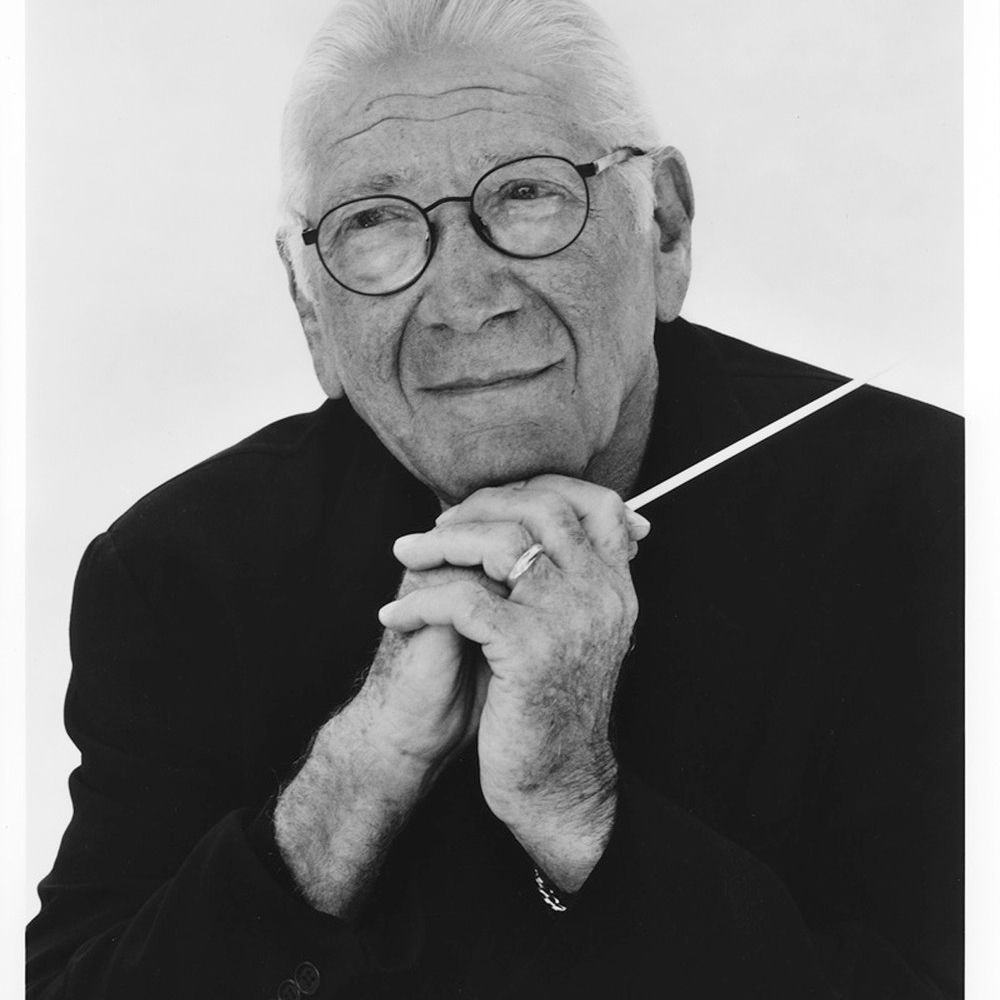



Jerry Goldsmith: Master of Cinematic Classical Music
Jerry Goldsmith was an American composer and conductor renowned for his groundbreaking work in film and television scoring. Over a career spanning five decades, he created some of the most iconic and influential soundtracks in cinematic history, earning numerous accolades including an Academy Award.
Early Career
Born in 1929 in Los Angeles, California, Jerry Goldsmith began studying music at a young age. His early professional work in the 1950s involved composing for live radio dramas and television series, which provided a crucial training ground for his fast-paced, narrative-driven compositional style.
Breakthrough
Goldsmith's breakthrough in feature films came with his psychologically intense score for Planet of the Apes in 1968, which showcased his innovative use of avant-garde techniques. This established him as a leading voice in Hollywood, capable of pushing the boundaries of traditional film music.
Key Tracks
Planet of the Apes (Main Title) - This track demonstrated Goldsmith's revolutionary approach, using unconventional instruments and dissonance to create a primal, unsettling atmosphere.
Chinatown - His haunting, melancholic theme for the 1974 noir classic is a masterclass in using melody to underscore a film's emotional core and period setting.
The Omen (Ave Satani) - This chilling choral piece from 1976 earned Goldsmith his sole Academy Award and remains one of the most recognizable themes in horror cinema.
Star Trek: The Motion Picture (Main Title) - Goldsmith's majestic and adventurous fanfare for the 1979 film became the definitive musical identity for the Star Trek franchise for generations.
Alien - His score masterfully blended beauty with terror, using atmospheric electronics and stark orchestration to amplify the film's sense of isolation and dread.
Jerry Goldsmith continued to be a dominant force in film music throughout the 1980s and 1990s, scoring major hits like Poltergeist, Gremlins, and Total Recall. His prolific output included collaborations with legendary directors such as Ridley Scott, Joe Dante, and Paul Verhoeven. Goldsmith passed away in 2004, leaving behind a legacy of over 200 film and television scores that continue to inspire composers and captivate audiences. His work is celebrated for its dramatic power, technical innovation, and profound emotional resonance.
For listeners who appreciate the grand, narrative-driven works of Jerry Goldsmith, the music of John Williams offers a similarly iconic and thematic approach to film scoring. The complex, atmospheric compositions of Bernard Herrmann share a foundational influence on cinematic music. The adventurous and melodic style of James Horner also resonates with Goldsmith's epic sensibilities. Furthermore, the innovative and sometimes experimental work of Ennio Morricone parallels Goldsmith's willingness to redefine the sound of the orchestra for dramatic effect.
