

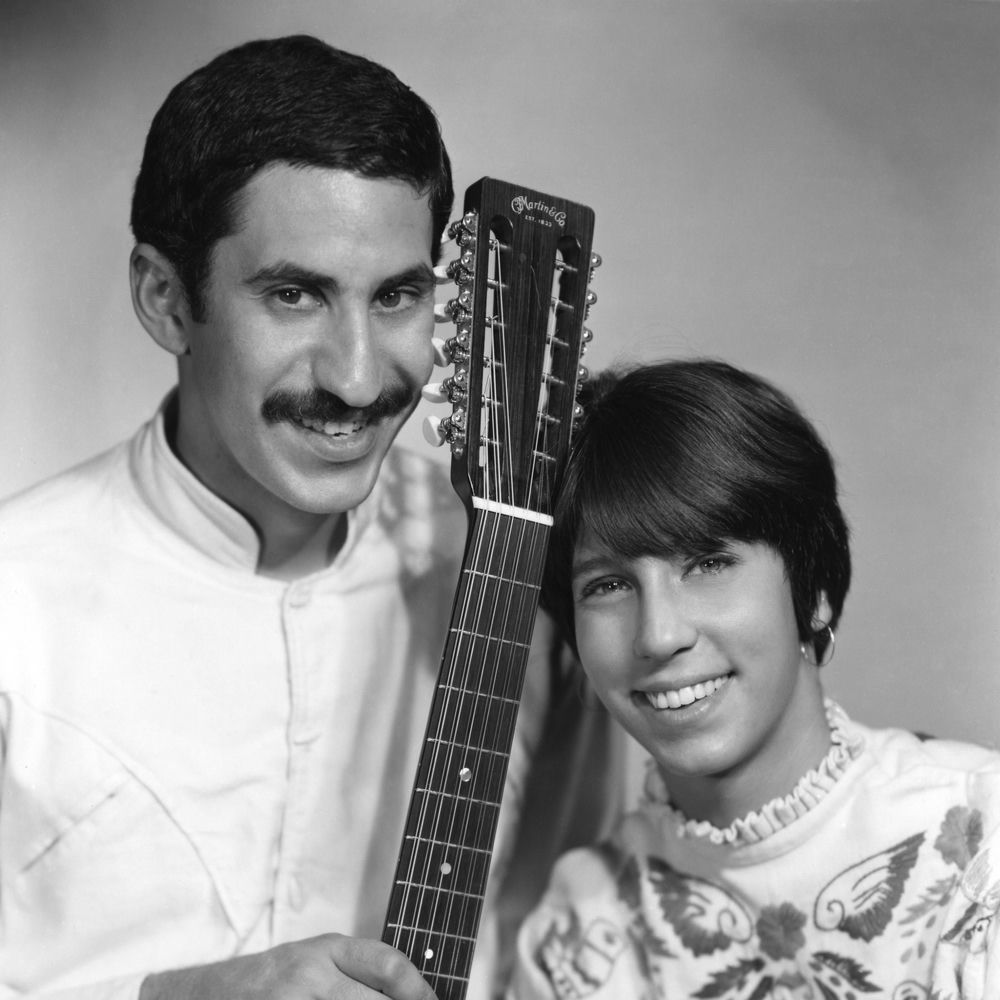
Jim Croce
Listen Jim Croce on radio stations:



Jim Croce: The Storyteller of American Folk Rock
Jim Croce was an American singer-songwriter whose poignant storytelling and melodic folk-rock songs captured the spirit of the early 1970s. His career, though tragically cut short, produced a string of enduring hits that continue to resonate with audiences decades later.
Early Career
Born in 1943 in Philadelphia, Pennsylvania, Jim Croce's musical journey began in the 1960s. He initially performed in a duo with his wife, Ingrid, releasing the album Jim & Ingrid Croce in 1969.
Despite this early effort, significant commercial success proved elusive, leading Croce to take various jobs, including truck driving, while continuing to write songs based on his observations of everyday people.
Breakthrough
Jim Croce's breakthrough arrived in 1972 with his third studio album, You Don't Mess Around with Jim, released on ABC Records. The title track became a top-ten hit, establishing his signature style of character-driven narratives.
The album's follow-up single, Time in a Bottle, originally a deep cut, soared to number one on the Billboard Hot 100 in late 1973 following its promotion as a single after being featured on a television movie.
Key Tracks
Bad, Bad Leroy Brown - This chart-topping single from 1973 became his biggest hit, defining his knack for crafting vivid, larger-than-life characters.
Time in a Bottle - A poignant ballad that became a posthumous number-one hit and remains one of his most beloved and frequently played songs.
Operator (That's Not the Way It Feels) - A masterclass in subtle storytelling, this track showcased Croce's ability to convey deep emotion through a simple telephone conversation.
I Got a Name - The title track from his final studio album, released after his death, this anthem of self-determination became another signature song.
You Don't Mess Around with Jim - The story-song that launched his mainstream career, introducing listeners to his unique world of pool sharks and gritty Americana.
In 1973, Croce released the successful album Life and Times, which contained Bad, Bad Leroy Brown, and began work on his next record, I Got a Name. On September 20, 1973, just as his career was reaching its peak, Jim Croce died in a plane crash in Louisiana.
His final albums, I Got a Name and the compilation Photographs & Memories: His Greatest Hits, were released posthumously and achieved substantial commercial success, cementing his legacy.
Fans of Jim Croce's narrative folk-rock style may also appreciate the work of James Taylor, who shares a similarly introspective and melodic singer-songwriter approach. The storytelling of Harry Chapin also explores character-driven songs in the same era. For the country-tinged acoustic sound, listen to John Denver. The gentle craftsmanship of Dan Fogelberg also follows a comparable musical path from the same period.
Jim Croce's music remains a staple on classic hits and singer-songwriter radio formats, where his timeless stories continue to find new listeners. His catalog is regularly featured across a variety of stations dedicated to the sounds of the 70s and acoustic rock.
The music of Jim Croce is available to hear on radio stations featured within our network, offering listeners a direct connection to his enduring folk-rock legacy.
