Donauwalzer
ruhrgur is a vibrant radio station dedicated to delivering a diverse range of music and engaging content to its audience. Broadcasting a mix of genres, including classical, contemporary, and popular hits, it caters to a …
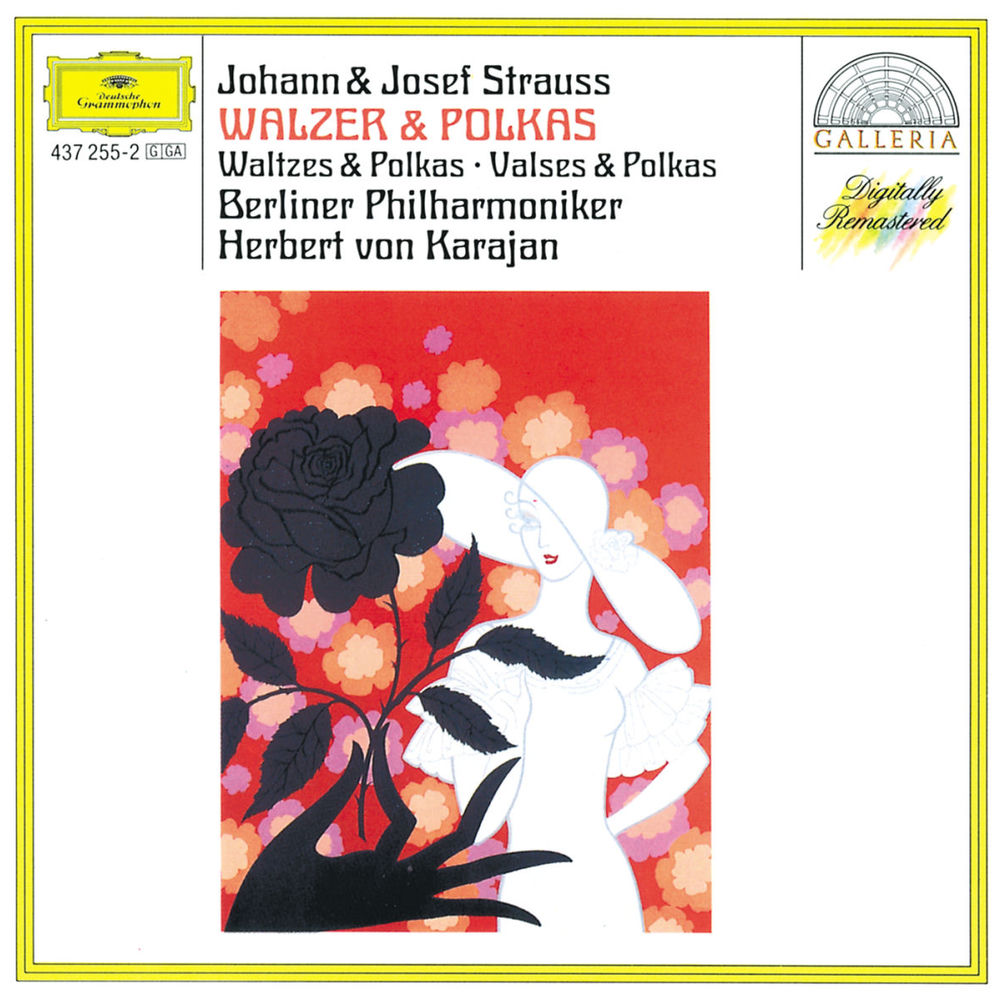
Johann Strauss II was an Austrian composer and conductor who became the foremost master of the Viennese waltz in the 19th century. His prolific output of over 500 dance pieces and several operettas cemented his fame, with works like "The Blue Danube" achieving global recognition and enduring popularity across classical and popular music spheres.
Born in Vienna in 1825, Johann Strauss II was the son of the celebrated composer Johann Strauss I, who forbade his sons from pursuing music. Defying his father, the younger Strauss studied violin in secret and formed his own orchestra at age 19 in 1844. His early concerts at Dommayer's Casino immediately sparked a rivalry with his father's established ensemble, captivating the public with his fresh melodies and energetic conducting style.
Strauss's true breakthrough came after the revolutions of 1848 and the death of his father in 1849, when he merged their orchestras and secured his dominance over Viennese light music. His international fame soared during the 1860s and 1870s through concert tours across Europe and America, culminating in the 1867 premiere of "The Blue Danube," which became an unofficial Austrian anthem and his most certified work in terms of sheet music sales, reportedly selling in the hundreds of thousands.
The Blue Danube — This 1867 waltz is his most famous composition, symbolizing Vienna and achieving monumental sheet music sales and global performance frequency.
Tales from the Vienna Woods — A quintessential Viennese waltz from 1868, notable for incorporating the zither to evoke Austrian folk music traditions.
Die Fledermaus — The 1874 operetta is his most successful stage work, a staple of the operetta repertoire celebrated for its sparkling overture and melodies.
Emperor Waltz — Composed in 1889 for Emperor Franz Joseph I, this sophisticated waltz showcases the artistic maturity of the genre under his direction.
Roses from the South — A popular 1880 waltz drawn from his operetta "The Queen's Lace Handkerchief," demonstrating his skill at repurposing melodies.
Beyond waltzes, Strauss successfully branched into operetta, with "Die Fledermaus" (1874) and "The Gypsy Baron" (1885) becoming international hits. He maintained a relentless schedule of composing and conducting until his death in 1899, leaving a legacy that defined the sound of an era. His music's immediate appeal and technical brilliance ensured its continuous presence in concert halls and recordings.
For fans of the Viennese waltz and operetta genre, explore similar Austrian composers featured on our site. Johann Strauss I was his father and rival, a pioneering composer of martial marches and early waltzes. Josef Strauss was his brother and collaborator, known for more contemplative and inventive waltzes. Franz Lehár continued the Viennese operetta tradition into the 20th century with works like "The Merry Widow." Emmerich Kálmán later infused the operetta form with Hungarian influences and romantic sophistication.
The music of Johann Strauss II remains a core component of classical and light music radio programming worldwide. His waltzes and overtures are daily staples on dedicated classical FM stations, specialty operetta broadcasts, and online streams focusing on timeless orchestral repertoire, ensuring his rhythms continue to fill the airwaves.
Listeners can enjoy the timeless waltzes and operettas of Johann Strauss II on multiple radio stations featured on onairium.com. Discover his iconic sound and the genre he dominated by tuning into the classical and light music stations available through our platform.