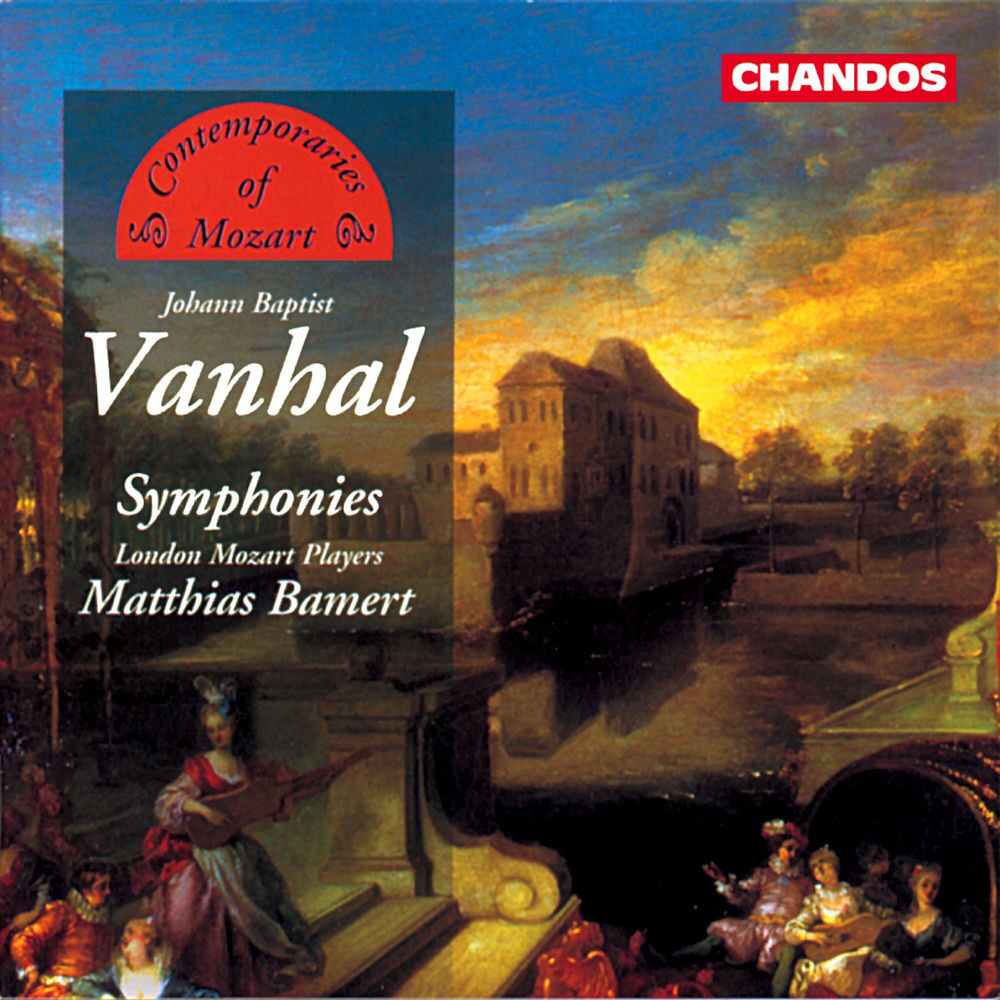
Johann Vanhal: The Prolific Classical Composer
Johann Vanhal was a Czech-born composer of the Classical era, a contemporary of Haydn and Mozart whose vast output helped shape the musical landscape of the late 18th century. His music, particularly his symphonies and chamber works, achieved significant popularity during his lifetime and continues to be a staple of the classical repertoire performed and recorded globally.
Early career
Johann Baptist Vanhal was born in 1739 in Nechanice, Bohemia, which was then part of the Habsburg monarchy. Largely self-taught in his youth, his early musical training came from local organists before he moved to Vienna around 1760 to establish himself as a composer and teacher.
His talent was quickly recognized, and patronage from the influential aristocratic Schaffgotsch family allowed him to study further in Italy. By the 1760s, Vanhal was publishing numerous works with Viennese firms like Artaria, establishing him as a professional composer in the competitive imperial capital.
Breakthrough
Vanhal's breakthrough came in the 1770s as his symphonies gained international circulation. His works were published and performed across Europe, from London to Berlin, often alongside those of Haydn. While exact sales figures from the era are elusive, the widespread publication and frequent performance of his music, such as his Symphony in G minor, signaled a major success.
He became one of the first composers to freelance successfully without a permanent court appointment, living off sales, commissions, and teaching. His prolific output, which includes over 70 symphonies, 100 string quartets, and numerous concertos, cemented his reputation.
Key tracks
Symphony in G minor (Bryan g1) — This dramatic Sturm und Drang-era work is among his most famous and frequently recorded symphonies, showcasing his command of emotional intensity.
Violin Concerto in B-flat major — A brilliant and technically demanding piece that highlights his skill in writing for solo instruments within the classical framework.
Mass in D major — Represents his significant contribution to sacred music, a major part of his compositional output for the church.
String Quartet in E-flat major, Op. 33 No. 1 — Demonstrates his mature chamber music style, appealing directly to the growing amateur market of the time.
Vanhal's later career saw him focus more on sacred music and teaching after the 1780s, though he continued to compose instrumental works. His music was performed at important concerts in Vienna, including ones featuring Mozart as a performer. A key figure in the development of the Viennese classical style, his influence on the structure of the symphony and string quartet is acknowledged by musicologists.
For fans of the robust and inventive Classical era sound, explore similar composers featured on our site. Joseph Haydn was a direct contemporary and friend whose symphonic development parallels Vanhal's. Wolfgang Mozart moved in the same Viennese circles and shared publishers with the older composer. Carl Ditters von Dittersdorf offers another perspective from the vibrant and competitive Viennese classical scene.
Johann Vanhal's music maintains a steady presence on classical radio rotations, featured on dedicated classical FM stations and specialized online streams that explore the foundations of the symphonic repertoire. His accessible melodies and energetic rhythms make his works a perfect fit for both introductory and deep-dive classical programming.
Listeners can discover the enduring appeal of Johann Vanhal's classical compositions through the curated playlists of radio stations available on onairium.com, where his symphonies and concertos are regularly featured alongside his more famous contemporaries.