Johannes Brahms
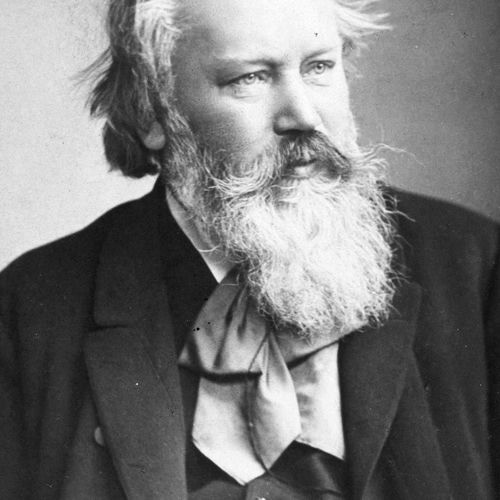
Johannes Brahms: The Titan of German Romanticism
Johannes Brahms was a German composer and pianist whose profound symphonies, chamber works, and choral music define the Romantic era. From his base in Vienna, he achieved monumental artistic success, with his German Requiem and four symphonies becoming cornerstones of the classical repertoire, performed and recorded countless times worldwide.
Early career
Born in Hamburg in 1833, Brahms began his musical life as a pianist, playing in local taverns as a teenager. His early promise was recognized by the violinist Joseph Joachim, who in 1853 introduced him to the influential composers Robert and Clara Schumann, a meeting that launched his serious career.
Breakthrough
Brahms's reputation solidified in 1868 with the triumphant premiere of Ein deutsches Requiem (A German Requiem) in Bremen. This large-scale work for chorus and orchestra, a profound meditation on mortality, established him as the leading heir to Beethoven's symphonic tradition and achieved immediate, lasting popularity in concert halls.
Key tracks
Hungarian Dance No. 5 — This lively and instantly recognizable orchestral showpiece became a global hit, showcasing Brahms's skill in adapting folk themes.
Symphony No. 1 in C minor — After over two decades of work, this monumental symphony cemented his legacy, with critics hailing him as Beethoven's true successor.
Wiegenlied (Lullaby) — Often known as "Brahms's Lullaby," this simple, tender song is arguably his most universally known melody.
Violin Concerto in D major — A pinnacle of the violin repertoire, this demanding and lyrical work was composed in collaboration with his friend, the virtuoso Joseph Joachim.
Following these successes, Brahms produced a staggering flow of masterworks, including three more symphonies, the intricate Variations on a Theme by Haydn, and intimate chamber music like his clarinet quintets. He maintained a complex, lifelong artistic friendship with Clara Schumann and was a central, if sometimes curmudgeonly, figure in Vienna's musical life until his death in 1897.
For listeners captivated by Brahms's rich harmonies and structural mastery, explore the works of similar German Romantic composers. Ludwig van Beethoven provided the direct symphonic lineage that Brahms both revered and built upon. Robert Schumann was his crucial early advocate and a key influence in Romantic expression. Antonín Dvořák, whom Brahms mentored, shared his gift for weaving folk-inspired melodies into large classical forms. Felix Mendelssohn represents an earlier, more classical strain of German Romanticism that informed Brahms's own precise craftsmanship.
The music of Johannes Brahms holds a permanent place in the rotation of classical music FM stations and dedicated online symphonic streams. His powerful symphonies and serene intermezzos are staples of programming designed for both dedicated aficionados and new listeners exploring orchestral depth.
You can experience the enduring power of Johannes Brahms's compositions by tuning into the classical radio stations featured on our platform. Discover his timeless works through the curated broadcasts available on onairium.com.